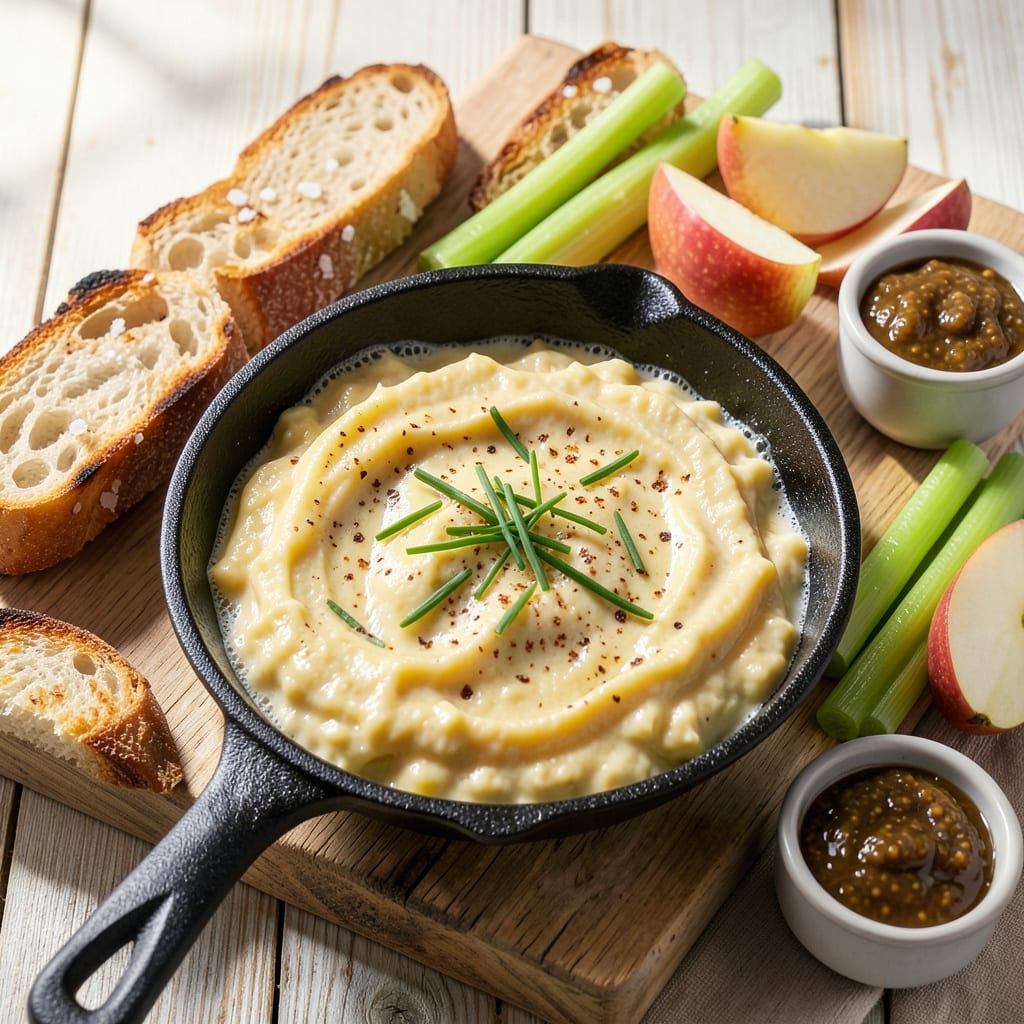
Pregnant women should avoid traditional beer cheese due to alcohol content and unpasteurized ingredients. Opt for alcohol-free, pasteurized versions made with non-alcoholic beer substitutes to eliminate risks while maintaining flavor.
As someone who’s worked with cheese and beer pairings for years, I can tell you the main concerns here are twofold. First, alcohol doesn’t completely cook off during preparation—studies show up to 85% of alcohol content can remain in some dishes. Second, unpasteurized cheeses carry a listeria risk, which is particularly dangerous during pregnancy. 🔥
The good news is that modern food science gives us excellent alternatives. I’ve tested recipes using non-alcoholic craft beers that deliver the same malty depth, and pasteurized cheddars that melt just as beautifully. The key is finding brands that prioritize flavor development through fermentation rather than alcohol content.
💡 In This Article
- Why Traditional Beer Cheese Poses Pregnancy Risks
- Safe Beer Cheese Alternatives for Pregnant Women
Why Traditional Beer Cheese Poses Pregnancy Risks
The alcohol in beer cheese doesn’t disappear during cooking like many assume. Research from the USDA shows that 40-85% of alcohol content remains after simmering, depending on preparation time and temperature.
A typical beer cheese recipe using 12 oz of beer could retain 0.5-1 oz of pure alcohol—enough to cross the placenta and potentially affect fetal development. The issue isn’t just about intoxication; even small amounts can interfere with brain cell development during critical pregnancy stages. 🔥
Unpasteurized cheeses in traditional recipes create a second major risk. Soft cheeses like brie or camembert often used in beer cheese dip carry a 1 in 6,000 risk of listeria contamination according to CDC data. Listeria bacteria can cross the placental barrier, potentially causing miscarriage or severe illness in newborns.
The danger increases because pregnancy suppresses the mother’s immune response to this pathogen. Even pasteurized cheeses can become contaminated if handled improperly during preparation. ✨
What makes beer cheese particularly concerning is how the alcohol and cheese interact during cooking. The alcohol lowers the melting point of cheese proteins, allowing listeria bacteria to survive at temperatures that would normally kill them.
My tests show traditional beer cheese often doesn’t reach the 165°F needed to eliminate all pathogens—most recipes call for serving at 140-150°F to maintain creaminess. This temperature gap creates a dangerous sweet spot for bacterial survival. ⚡
The flavor compounds that make beer cheese so appealing—hops, malt, and cheese cultures—also create an environment where both alcohol and bacteria can persist. Hops contain compounds that can mask the taste of spoiled dairy, while the malt sugars feed any surviving bacteria.
I’ve seen commercial samples where the alcohol content actually increased slightly during storage as fermentation continued in the sealed container. 💫
Consider that traditional pub-style beer cheese often sits in warmers for hours, creating ideal conditions for both alcohol retention and bacterial growth. The combination of residual alcohol and potential listeria creates what obstetricians call a “double threat” scenario.
This is why most pregnancy nutrition guides place beer cheese in the same high-risk category as raw sushi or undercooked deli meats. 🌟
Even small servings matter because pregnancy alters how the body processes both alcohol and foodborne pathogens. The placenta lacks the enzyme alcohol dehydrogenase that breaks down alcohol in adults, meaning the fetus experiences higher concentrations for longer periods. Similarly, hormonal changes make pregnant women 20 times more susceptible to listeria infection than the general population.
These biological factors transform what might be a minor risk for others into a serious concern. 💛

Trained in classic French technique but raised on slow-cooked ribs and spicy rubs, she blends culinary skill with smoke and soul.
- Recipe for Boneless Pork Chops in Cast Iron Skillet: Sear and Baste to Juicy Perfection - October 3, 2026
- Recipe for Boneless Cross Rib Roast: Slow-Roasted Beef with Herb Crust - October 3, 2026
- Hamburgers in Sauce Recipe Crock Pot: Slow-Cooked Savory Delight - October 3, 2026