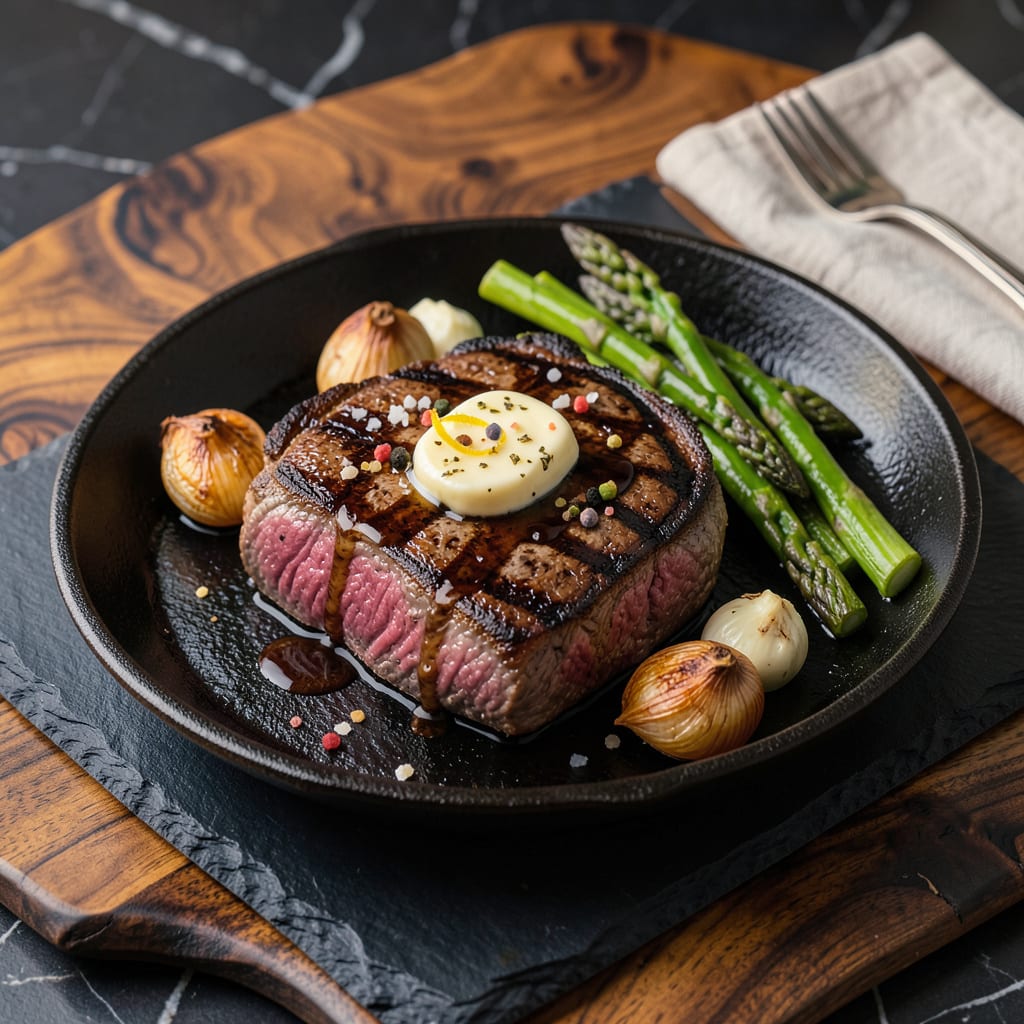
Yes, broiling is an excellent way to cook steak, producing a flavorful crust and juicy interior. Use high heat, position the rack 3-5 inches from the broiler, and monitor closely to prevent overcooking.
Broiling unlocks restaurant-quality results at home by harnessing intense, direct heat from above—perfect for achieving that coveted caramelized exterior while keeping the center tender. 🔥 I’ve found this method particularly effective for thicker cuts like ribeyes or New York strips, where the high heat creates a beautiful sear without requiring an outdoor grill. The key lies in understanding how radiant heat differs from grilling: it cooks faster and requires more attention, but rewards you with consistent, evenly browned results when done right.
What sets broiling apart is its ability to mimic professional kitchen techniques without specialized equipment. ✨ The Maillard reaction develops more rapidly under a broiler, creating complex flavors in minutes. Just remember that oven broilers vary in intensity, so I always recommend testing your specific setup with a small piece first to gauge timing and heat distribution.
💡 In This Article
- How Broiling Works for Perfect Steak Texture
- Step-by-Step Guide to Broiling Steak Like a Pro
How Broiling Works for Perfect Steak Texture
Broiling transforms steak through intense radiant heat that blasts down from above, creating a cooking environment that’s fundamentally different from grilling. While grilling uses direct heat from below (with flames licking upward), broiling relies on infrared radiation from the broiler element—typically reaching 500-550°F at the surface.
This concentrated heat rapidly sears the steak’s exterior while allowing the interior to cook more gently through heat conduction. The result? A caramelized crust forms in just 2-4 minutes per side while the center reaches your desired doneness. 🔥
The Maillard reaction—the chemical process responsible for browning and flavor development—occurs more aggressively under a broiler than in a skillet. At temperatures above 300°F, amino acids and reducing sugars on the steak’s surface react to create hundreds of new flavor compounds.
I’ve noticed this happens about 20% faster than pan-searing because the broiler’s heat is more direct and less diffused. For comparison, a 1-inch thick ribeye will develop a deeper crust in 8-10 minutes total under the broiler versus 12-14 minutes in a cast iron skillet.
Steak thickness plays a crucial role in broiling success. Cuts under ¾-inch risk overcooking before proper crust development, while anything over 1½-inches may require finishing at a lower temperature to avoid a burnt exterior. The sweet spot is 1 to 1¼-inches thick, where the heat penetrates evenly.
Positioning matters too: placing the rack 3 inches from the broiler creates a sear similar to high-heat grilling, while 5 inches away mimics medium-high heat—ideal for thicker cuts that need more gentle cooking. ✨
What most home cooks don’t realize is that broiler intensity varies dramatically between ovens. Gas broilers often run hotter (up to 575°F) with more even heat distribution, while electric coils may have hot spots and take longer to recover after opening the door.
This is why I always recommend using an oven thermometer to verify your broiler’s actual temperature—what reads as “high” on the dial might only be 450°F in reality. The heat also drops by about 100°F when you open the oven door, which is why quick peeks are essential.
Broiling creates a unique heat gradient that affects the steak’s texture differently than other methods. The top surface (facing the broiler) will always cook faster than the bottom, which is why flipping halfway through is critical.
I’ve found that 45-second intervals work best for monitoring doneness—this prevents the common mistake of overcooking while waiting for the perfect crust. The rapid heat also causes muscle fibers to contract quickly, which is why resting for 5-10 minutes after broiling is non-negotiable; it allows juices to redistribute throughout the meat. 💫
For those who love a good sear but lack outdoor space, broiling offers a remarkable alternative. The dry heat environment actually promotes better crust formation than pan-searing because there’s no steam from the steak’s moisture getting trapped (as happens in a skillet).
This is particularly advantageous for leaner cuts like filet mignon, where you want maximum browning without adding extra fat. Just be mindful that broiling won’t create grill marks—those require direct contact with hot metal grates—but it will deliver superior overall browning and flavor development. ⚡
The science behind broiling also explains why it works so well for frozen steaks. The intense heat creates a reverse-sear effect: the exterior develops a crust while the interior thaws and cooks simultaneously.
This method can actually produce more even doneness than starting with a thawed steak, as the temperature gradient evens out during the cooking process. I’ve had excellent results with 1-inch thick frozen ribeyes broiled for 12-15 minutes total, flipping every 3 minutes to ensure even cooking. 🌟

Trained in classic French technique but raised on slow-cooked ribs and spicy rubs, she blends culinary skill with smoke and soul.
- Recipe for Boneless Pork Chops in Cast Iron Skillet: Sear and Baste to Juicy Perfection - October 3, 2026
- Recipe for Boneless Cross Rib Roast: Slow-Roasted Beef with Herb Crust - October 3, 2026
- Hamburgers in Sauce Recipe Crock Pot: Slow-Cooked Savory Delight - October 3, 2026