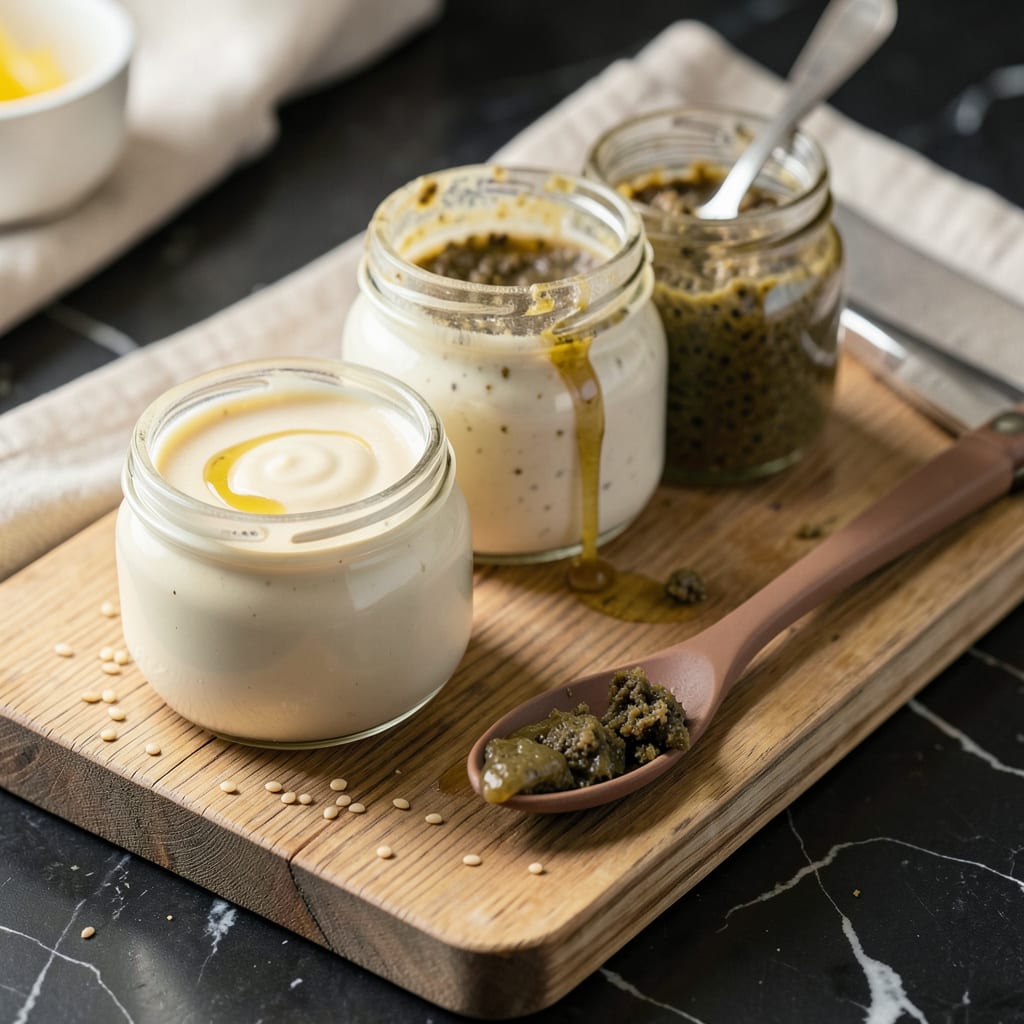
Yes, tahini can go bad over time. Unopened, it lasts 6-12 months at room temperature, while opened tahini stays fresh for 3-6 months in the fridge. Look for rancid smells, bitter taste, or mold as key spoilage signs.
Like any sesame-based product, tahini’s shelf life depends on how you handle it. 🔥 The natural oils in sesame seeds are prone to oxidation, which accelerates when exposed to heat, light, or air. I’ve noticed that even high-quality tahini can develop off-flavors if left in a warm pantry for too long. That’s why I always recommend refrigerating after opening—it slows down the oxidation process dramatically.
What’s interesting is that tahini’s thick consistency actually protects it somewhat from bacterial growth. However, moisture is the real enemy here. A single drop of water can introduce mold, which spreads quickly in that rich, oily environment. I learned this the hard way after using a wet spoon in my tahini jar!
💡 In This Article
- How Tahini Spoils: Science Behind Rancidity and Mold
- Maximizing Tahini Freshness: Storage and Usage Tips
How Tahini Spoils: Science Behind Rancidity and Mold
Tahini’s primary enemy is oxidation—the same process that turns avocados brown. Sesame seeds contain about 50% oil by weight, and when exposed to oxygen, these unsaturated fats break down into smaller compounds called aldehydes and ketones. These molecules create that telltale rancid smell, similar to old paint or stale nuts.
The reaction accelerates dramatically at temperatures above 70°F, which is why pantry storage becomes risky in warm climates.
Moisture introduces a different spoilage pathway. Tahini’s natural oil content creates a low-water environment that normally inhibits bacterial growth. But when water enters (from a wet spoon or humidity), it creates microscopic pockets where mold spores can germinate.
I’ve seen this happen within days when tahini was stored near a steamy dishwasher—the warm, moist air created perfect conditions for fuzzy green spots to appear on the surface.
The natural separation you see in tahini jars isn’t spoilage—it’s just the heavier sesame particles settling. Real spoilage shows up as texture changes: instead of that smooth, pourable consistency, you’ll get grainy or clumpy tahini that won’t reincorporate when stirred. The color also shifts from creamy beige to yellowish-gray as the oils degrade.
This is particularly noticeable in tahini that’s been opened for more than 4-5 months, even when refrigerated.
Temperature fluctuations cause another problem: condensation. When you move tahini from fridge to counter repeatedly, moisture collects inside the jar. This creates the perfect storm for both mold growth and accelerated rancidity.
I once ruined a batch of hummus because I used tahini that had been through too many temperature swings—it gave the whole dish a sour, bitter undertone that ruined the flavor profile.
Here’s what’s surprising: commercial tahini often contains preservatives like potassium sorbate that extend shelf life by 3-6 months. But artisanal or organic versions (which I prefer for their cleaner taste) spoil faster because they lack these additives.
The tradeoff is worth it for that richer, nuttier flavor, but you’ll need to be more vigilant about storage and usage timelines.
What most people don’t realize is that light exposure breaks down tahini’s nutrients while accelerating spoilage. The UV rays degrade both the oil quality and the B vitamins naturally present in sesame seeds.
That’s why I always transfer my tahini to an opaque container if it comes in clear glass—it maintains both freshness and nutritional value significantly longer. 🔥

Trained in classic French technique but raised on slow-cooked ribs and spicy rubs, she blends culinary skill with smoke and soul.
- Recipe for Boneless Pork Chops in Cast Iron Skillet: Sear and Baste to Juicy Perfection - October 3, 2026
- Recipe for Boneless Cross Rib Roast: Slow-Roasted Beef with Herb Crust - October 3, 2026
- Hamburgers in Sauce Recipe Crock Pot: Slow-Cooked Savory Delight - October 3, 2026