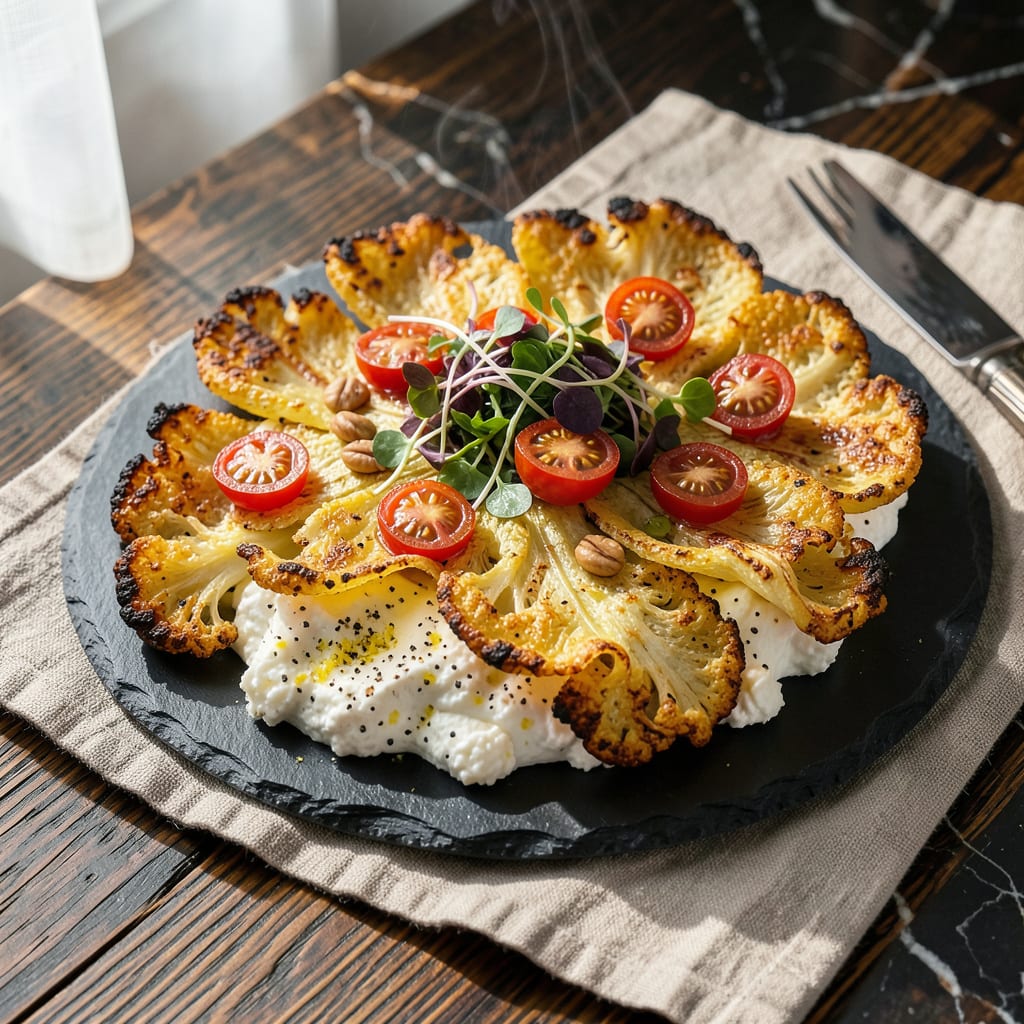
Yes, cauliflower leaves are completely edible and delicious when cooked. They have a mild, slightly earthy flavor similar to collard greens or kale. Sauté, roast, or add them to soups and stir-fries to reduce food waste and boost nutrition.
I’ve found these often-discarded leaves pack a surprising nutritional punch—rich in vitamins A, C, and K, plus fiber that rivals many leafy greens. Their versatility shines when you treat them like heartier greens, such as Swiss chard or mustard greens. 🔥 For example, I love crisping them in the oven with olive oil and smoked paprika for a zero-waste snack, or finely chopping them into grain bowls for extra texture. The key is balancing their earthiness with bright flavors like lemon or chili flakes.
💡 In This Article
- Why Cauliflower Leaves Are Nutritious and Flavorful
- Best Ways to Cook Cauliflower Leaves for Maximum Flavor
Why Cauliflower Leaves Are Nutritious and Flavorful
Cauliflower leaves pack a nutritional wallop that often gets tossed in the compost. They contain 3x more vitamin C than the florets themselves, plus significant amounts of vitamin K (essential for bone health) and folate. The fiber content rivals kale at about 2.5g per cup, making them excellent for digestive health.
What most people don’t realize is these leaves also contain glucosinolates—the same cancer-fighting compounds found in broccoli and Brussels sprouts.
The flavor profile transforms dramatically with cooking. Raw leaves have a slightly bitter, grassy note similar to young collard greens. When exposed to heat, their cell walls break down and release natural sugars, developing a sweeter, nuttier taste.
🔥 I’ve found that 400°F roasting for 12-15 minutes caramelizes the edges while keeping the centers tender—much like perfectly cooked kale chips but with more body. The texture becomes crispy at the edges while maintaining a pleasant chew in the center.
What sets cauliflower leaves apart from other greens is their unique combination of tenderness and structure. Unlike spinach that wilts completely, these leaves hold their shape when sautéed, making them ideal for stir-fries where you want some texture.
Their thicker midribs (the central vein) contain more water than the leafy parts, which means they take about 2 minutes longer to cook through completely. This dual texture is why they work so well in dishes where you want both soft and slightly crisp elements.
The earthy notes come from sulfur compounds that develop as the plant grows. These same compounds are responsible for cauliflower’s distinctive aroma when cooking. Younger leaves (lighter green) tend to be milder, while mature leaves (darker green) have more pronounced bitterness that mellows beautifully with acid.
A splash of lemon juice or apple cider vinegar cuts through any lingering bitterness while brightening the overall flavor profile.
From a culinary science perspective, cauliflower leaves behave differently than other brassicas when cooked. Their cell structure contains more pectin than cabbage leaves, which means they maintain integrity better during longer cooking methods like braising.
This makes them perfect for hearty dishes where you want the greens to hold their own against other ingredients—think white bean stews or lentil curries where they won’t disintegrate into mush.
Here’s what’s actually happening when you cook them:
- Sautéing: Quick high heat (375°F) breaks down cell walls in 3-5 minutes, releasing nutrients while maintaining texture
- Roasting: Dry heat at 400°F for 12-15 minutes creates Maillard reactions for crispy edges and concentrated flavor
- Braising: Low moisture cooking at 325°F for 20-25 minutes transforms tough fibers into silky tenderness
The next time you’re prepping cauliflower, consider this: those leaves contain about 20% of your daily vitamin A needs per cup—more than the florets themselves. Their versatility means you can use them anywhere you’d use spinach or chard, but with better texture retention. ✨

Trained in classic French technique but raised on slow-cooked ribs and spicy rubs, she blends culinary skill with smoke and soul.
- Recipe for Boneless Pork Chops in Cast Iron Skillet: Sear and Baste to Juicy Perfection - October 3, 2026
- Recipe for Boneless Cross Rib Roast: Slow-Roasted Beef with Herb Crust - October 3, 2026
- Hamburgers in Sauce Recipe Crock Pot: Slow-Cooked Savory Delight - October 3, 2026