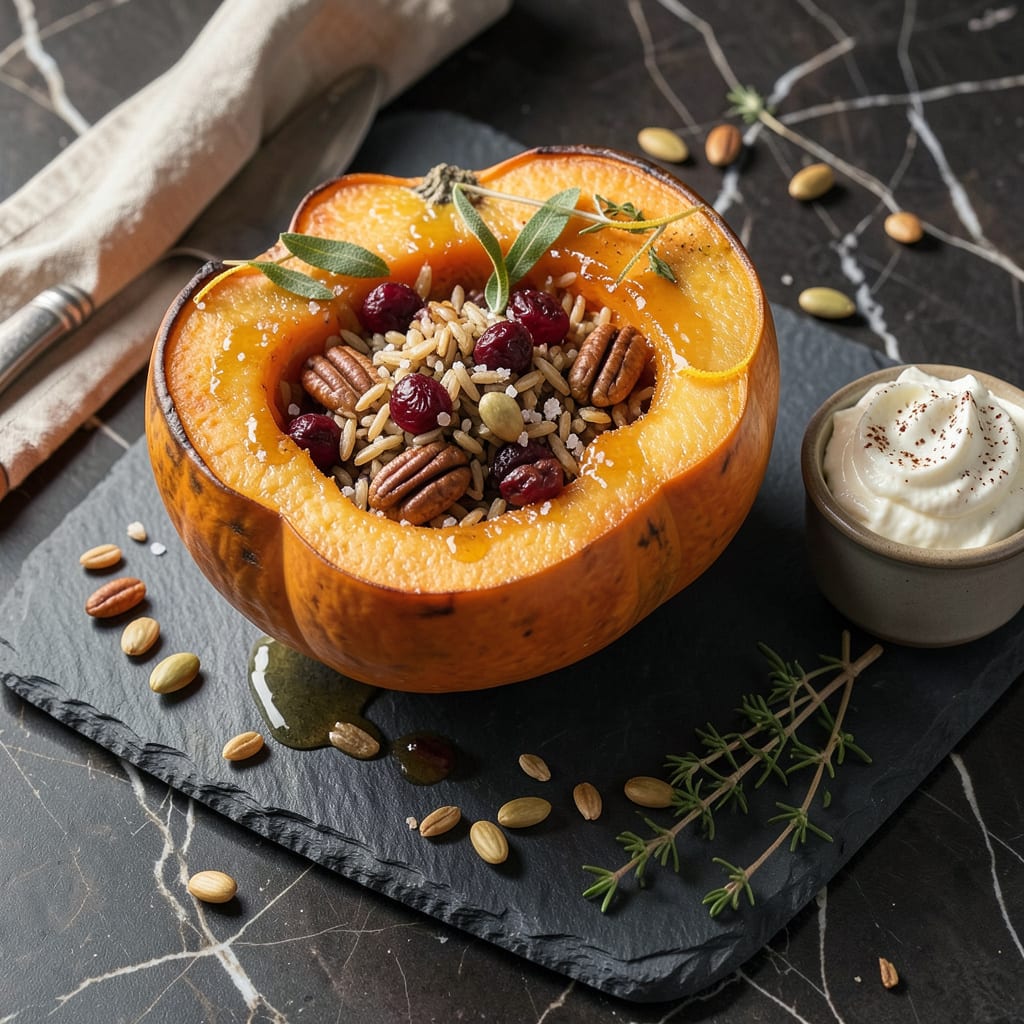
Yes, you can eat many pumpkin varieties, but not all are ideal. Smaller, sweeter types like sugar or pie pumpkins are best for cooking, while large carving pumpkins are stringy and bland. Always remove seeds and rind before eating.
I’ve spent years working with gourds in professional kitchens, and the difference between edible and decorative varieties comes down to flesh density and sugar concentration. Those giant jack-o’-lantern pumpkins you see in fall displays? They’re bred for size and durability, not flavor—their watery, fibrous flesh lacks the natural sweetness that makes sugar pumpkins or kabocha squash so versatile in recipes. 🔥
What most people don’t realize is that the best eating pumpkins are often the smallest—pie pumpkins (3-5 lbs) pack concentrated flavor, while butternut squash (technically a pumpkin relative) offers creamy texture perfect for soups or risotto. Even the seeds can be roasted for a crunchy snack, but the rind? Always too tough to chew, no matter the variety.
💡 In This Article
- Edible vs. Decorative Pumpkin Varieties Explained
- How to Prepare and Cook Pumpkin Safely
Edible vs. Decorative Pumpkin Varieties Explained
The key difference between eating and decorating pumpkins comes down to breeding priorities. Edible varieties like sugar pumpkins (3-5 lbs) are cultivated for dense, sweet flesh with 10-15% sugar content, while decorative types prioritize thick rinds and size—often reaching 20+ lbs with watery, stringy interiors.
The science behind this lies in selective breeding: farmers have spent generations enhancing either flavor compounds (for cooking) or structural integrity (for carving).
Let’s talk texture: A quality pie pumpkin has fine, smooth flesh that breaks down beautifully when cooked, similar to butternut squash. In contrast, a carving pumpkin’s flesh contains more lignin (the compound that makes wood rigid), giving it that fibrous, chewy quality.
🌟 I once tested this side-by-side—roasted sugar pumpkin puréed into silky soup, while the carving pumpkin version tasted like watery cardboard, even with heavy seasoning.
Flavor profiles vary dramatically between varieties. Kabocha pumpkins (Japanese variety) offer nutty, almost chestnut-like notes with 18% dry matter content—double that of carving pumpkins. Cinderella pumpkins (rouge vif d’etampes) balance sweetness with earthy undertones, perfect for savory dishes.
The flavor intensity correlates directly with flesh color: deeper orange indicates higher beta-carotene levels, which convert to sweetness during cooking.
Here’s what most people miss about decorative pumpkins: their high water content (up to 90%) makes them prone to collapsing when cooked. That gorgeous 20-pound jack-o’-lantern? It’ll shrink to a sad, mushy pile in your oven.
The rinds also contain more cucurbitacin, a bitter compound that can cause stomach upset in large quantities—another reason to stick with culinary varieties for eating.
For best results, look for these markers at the market:
- Size: Under 8 lbs for eating, over 15 lbs for decorating
- Stem: Woody, dry stems indicate maturity (better flavor)
- Sound: Tap for hollow thud (ripe) vs. dull thud (overripe)
- Skin: Dull finish = sweeter; shiny = picked too early
Remember that beautiful blue Hubbard squash at the farmers market? Technically a pumpkin, its thick skin protects flesh so sweet it caramelizes when roasted. That’s the kind of variety worth seeking out for your kitchen experiments. ✨

Trained in classic French technique but raised on slow-cooked ribs and spicy rubs, she blends culinary skill with smoke and soul.
- Recipe for Boneless Pork Chops in Cast Iron Skillet: Sear and Baste to Juicy Perfection - October 3, 2026
- Recipe for Boneless Cross Rib Roast: Slow-Roasted Beef with Herb Crust - October 3, 2026
- Hamburgers in Sauce Recipe Crock Pot: Slow-Cooked Savory Delight - October 3, 2026