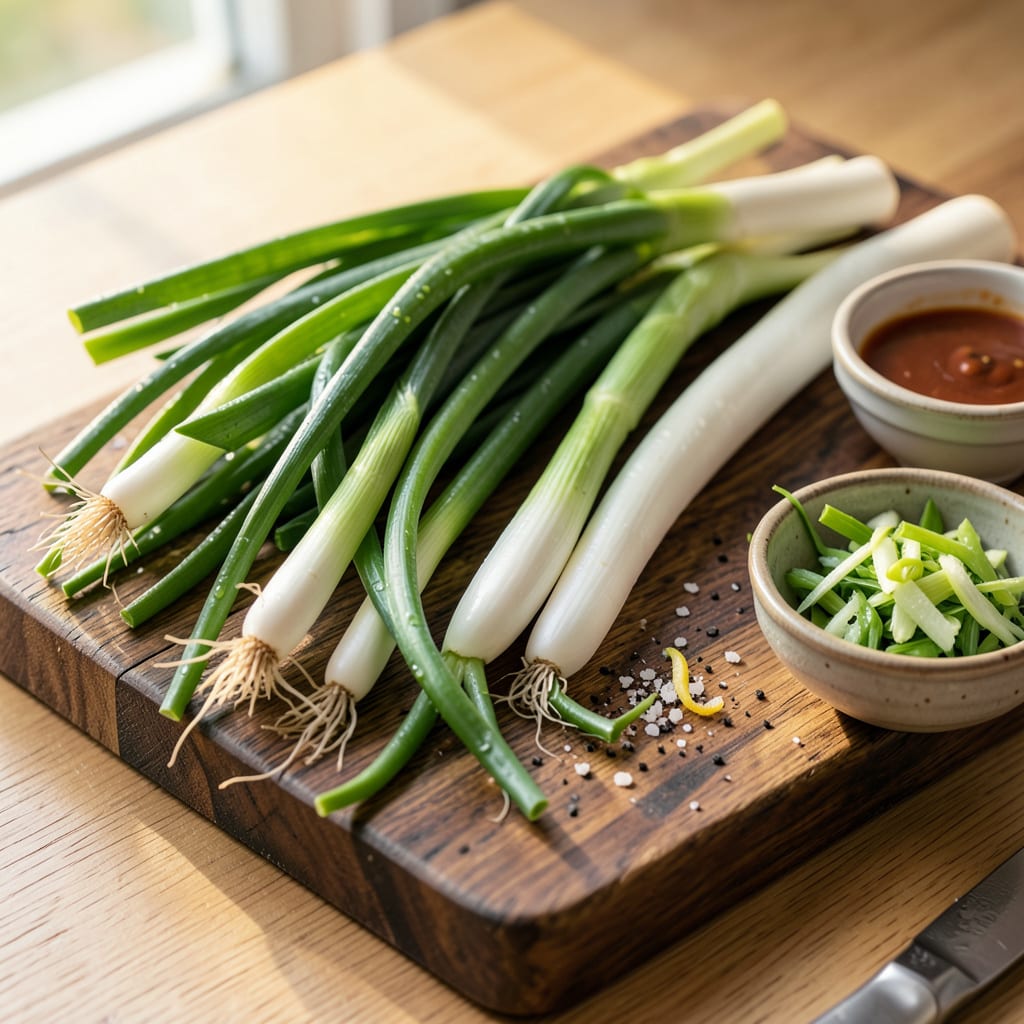
Yes, onion tops (green shoots) are completely edible while growing and taste like mild green onions or scallions. Harvest sparingly—cutting no more than one-third at a time—to avoid stunting bulb development.
I love using these tender green shoots as a zero-waste kitchen hack—they pack the same allium punch as store-bought scallions but with fresher flavor. 🌟 The key is timing: younger shoots are more delicate, while slightly older ones develop a bolder taste perfect for garnishes or quick sautés. Think of them as nature’s bonus crop that lets you enjoy your onion plant twice—once from the tops and later from the bulb.
From my experience, they work beautifully in Asian-inspired dishes where their mild sharpness complements ginger and garlic. Just remember that frequent harvesting redirects the plant’s energy, so I always leave at least two-thirds of the greens intact to maintain healthy bulb growth below the soil.
💡 In This Article
- Why Onion Tops Are Safe and Nutritious to Eat
- How to Harvest and Use Onion Tops Without Harming the Plant
Why Onion Tops Are Safe and Nutritious to Eat
Onion tops are packed with nutrients because they’re actively photosynthesizing. During growth, these green shoots convert sunlight into energy while accumulating vitamins A, C, and K—often in higher concentrations than the mature bulb. The younger the shoots, the more tender and nutrient-dense they become, with folate levels comparable to spinach (50-60 mcg per 1/4 cup).
🌱
The edibility comes from their biological purpose: these are the plant’s leaves, not toxic flower stalks. Unlike bulb onions that develop sulfur compounds as they mature, the green tops contain milder allium oils that give them a fresh, grassy flavor similar to chives.
Studies show they contain about 30% less sulfur than mature onions, making them gentler on digestion while retaining that characteristic allium bite.
What makes them particularly valuable is their chlorophyll content, which gives them that vibrant green color and acts as a natural detoxifier. When you harvest them young (under 8 inches tall), they’re at peak tenderness with cell walls that haven’t yet toughened.
This is why they work so well raw in salads or as garnishes—their texture remains crisp without the fibrousness of mature onion greens.
The safety factor comes from their growth stage. Unlike onion flowers (which can be bitter), these green shoots are the plant’s photosynthetic engines. They’re free from the concentrated sulfur compounds that develop in the bulb later in growth.
In fact, they contain thiosulfinates—the same beneficial compounds found in garlic—that support heart health without the intensity of mature onions.
From a culinary science perspective, their mild flavor comes from lower pyruvic acid levels (the compound that makes onions tear-inducing). When you compare them to store-bought scallions, you’re getting 2-3 times more vitamin K because they’re harvested at peak freshness.
The flavor difference is noticeable too—homegrown tops have a cleaner, brighter taste since they haven’t been shipped or stored.
I’ve found they retain their nutrients best when used within 2-3 days of harvesting. Their thin cell walls mean they lose moisture quickly, so storing them wrapped in a damp paper towel in the fridge preserves both texture and nutrient content.
The vitamin C content actually increases slightly after harvesting as the plant’s defensive mechanisms activate, giving you an extra nutritional boost. ✨
The only compounds to be aware of are minimal oxalates (found in all leafy greens), which are easily neutralized by cooking. Steaming for just 1-2 minutes reduces oxalate content by about 30% while preserving most vitamins.
This makes them one of the safest and most nutritious parts of the onion plant to consume at any growth stage.

Trained in classic French technique but raised on slow-cooked ribs and spicy rubs, she blends culinary skill with smoke and soul.
- Recipe for Boneless Pork Chops in Cast Iron Skillet: Sear and Baste to Juicy Perfection - October 3, 2026
- Recipe for Boneless Cross Rib Roast: Slow-Roasted Beef with Herb Crust - October 3, 2026
- Hamburgers in Sauce Recipe Crock Pot: Slow-Cooked Savory Delight - October 3, 2026