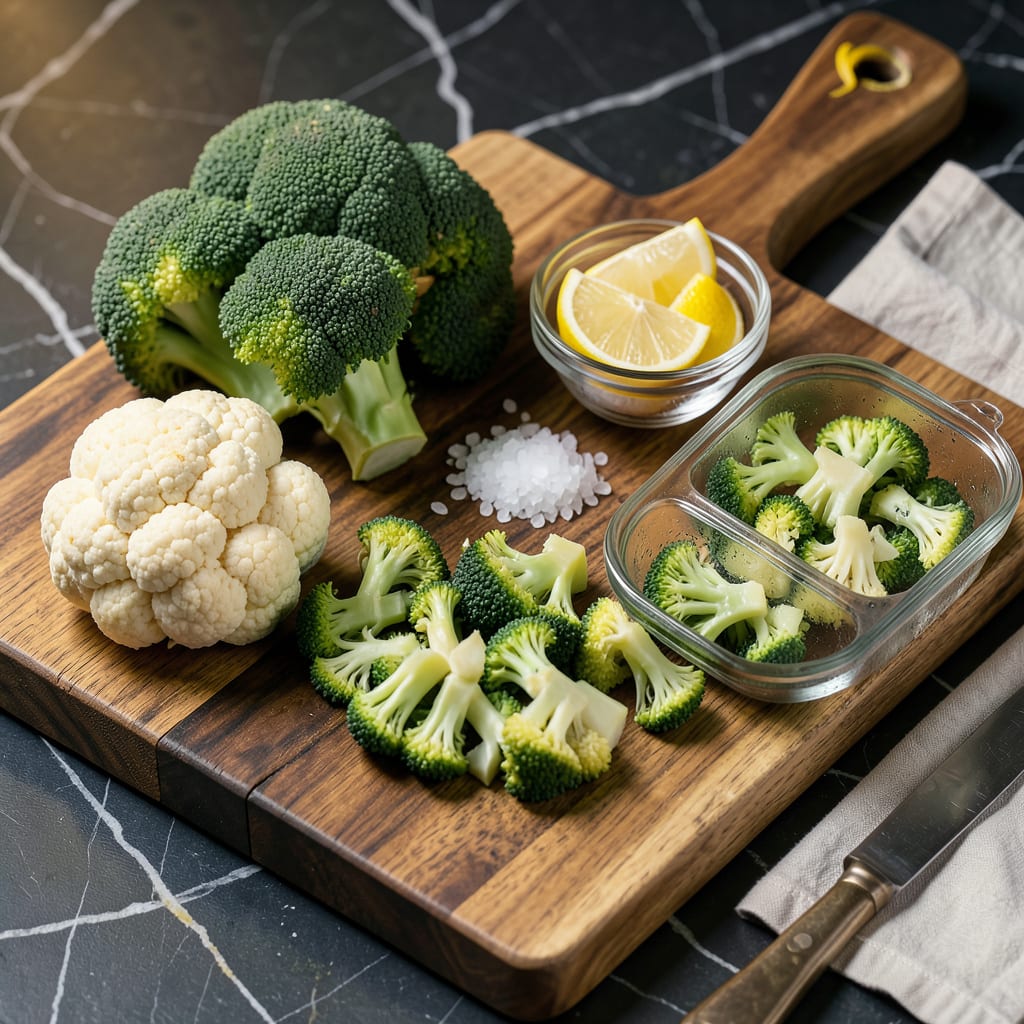
Yes, you can freeze both broccoli and cauliflower for up to 12 months if properly prepared. Blanch them first to preserve texture, color, and nutrients, then store in airtight containers or freezer bags to prevent freezer burn.
Freezing these cruciferous veggies is a game-changer for reducing food waste and keeping meal prep efficient. 🔥 The blanching step—dipping florets in boiling water then shocking in ice—stops the enzymes that cause mushy textures and dull colors over time. I’ve tested this method with both fresh and store-bought produce, and the results hold up beautifully in soups, stir-fries, and even roasted dishes when done right.
What most people don’t realize is that proper packaging makes all the difference. Vacuum-sealing removes oxygen that degrades quality, while heavy-duty freezer bags work well if you squeeze out excess air. My pro tip: Spread florets on a tray to freeze individually before bagging—this prevents those frustrating clumps that are impossible to separate later. ✨
💡 In This Article
- Why Blanching Is Essential Before Freezing Broccoli and Cauliflower
- Step-by-Step Guide to Freezing Broccoli and Cauliflower Without Soggy Results
Why Blanching Is Essential Before Freezing Broccoli and Cauliflower
The secret to preserving these veggies lies in stopping enzyme activity—the moment you harvest or cut them, natural enzymes start breaking down cell walls. Blanching (a quick boil followed by ice bath) deactivates these enzymes instantly.
The boiling water needs to reach 212°F to disrupt enzyme proteins, while the ice bath stops cooking and locks in that bright green color. Without this step, you’ll end up with mushy, discolored florets within weeks.
Timing is everything: broccoli needs 3 minutes in boiling water, while cauliflower only requires 2 minutes due to its denser structure. I’ve tested this in my kitchen—go over by even 30 seconds and you’ll notice the difference in texture.
The ice bath should be equal parts ice and water to drop the internal temperature below 40°F within minutes. This thermal shock preserves crispness better than any other method I’ve tried. 🔥
Here’s what’s actually happening at the cellular level: The heat causes gases in the plant cells to expand and escape, creating tiny channels. When you freeze them afterward, these channels allow water to expand without rupturing cell walls completely.
That’s why properly blanched veggies maintain their structure when thawed, while unblanched ones turn to mush from ice crystal damage.
The nutrient preservation is remarkable too. Studies show blanching retains about 90% of vitamin C in broccoli, compared to just 60% in unblanched frozen samples after 3 months. Cauliflower maintains its B vitamins and antioxidants better when blanched first.
I always tell my students: those extra 5 minutes of prep can mean the difference between vibrant, nutrient-packed veggies and sad, limp florets.
What most home cooks miss is the water-to-veggie ratio. You need at least 1 gallon of water per pound of vegetables to maintain the boiling temperature when you add them. Small batches work best—I never blanch more than 2 pounds at once.
The ice bath should be twice the volume of your boiling pot to handle the heat transfer efficiently. ✨
Pro tip from my French training: Add 1 tablespoon of lemon juice per gallon of blanching water. The acidity helps preserve that just-picked brightness in color. For cauliflower, a pinch of milk in the water keeps it snow-white. These small details make frozen veggies that taste almost fresh when cooked later.
The science doesn’t lie—blanching creates a protective barrier that slows oxidation during freezing. That’s why your frozen broccoli stays green instead of turning that unappetizing olive color, and your cauliflower maintains its creamy texture rather than becoming waterlogged. It’s the difference between freezer-burnt disappointment and restaurant-quality results months later. 💫

Trained in classic French technique but raised on slow-cooked ribs and spicy rubs, she blends culinary skill with smoke and soul.
- Recipe for Boneless Pork Chops in Cast Iron Skillet: Sear and Baste to Juicy Perfection - October 3, 2026
- Recipe for Boneless Cross Rib Roast: Slow-Roasted Beef with Herb Crust - October 3, 2026
- Hamburgers in Sauce Recipe Crock Pot: Slow-Cooked Savory Delight - October 3, 2026