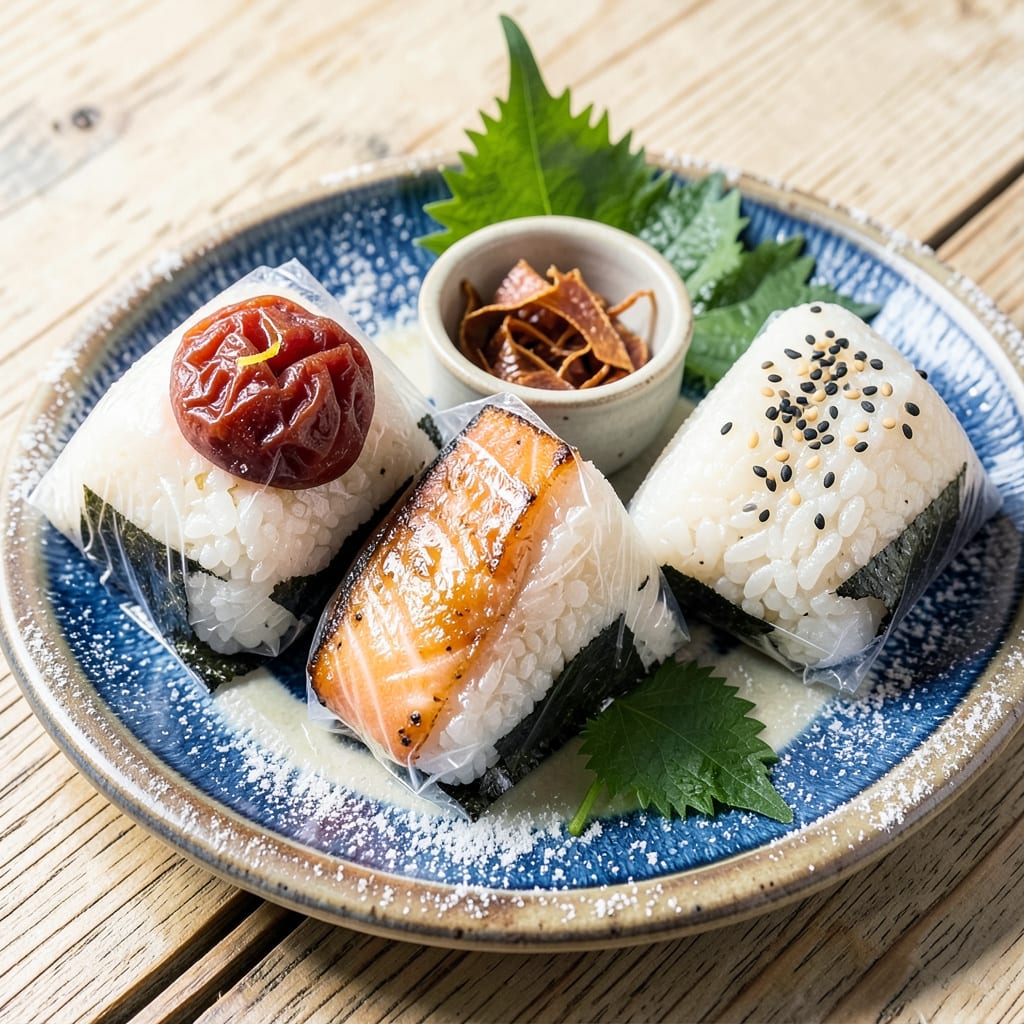
Yes, you can freeze onigiri for up to 1 month. Wrap each piece tightly in plastic wrap to prevent freezer burn and drying. Thaw in the fridge overnight or microwave directly from frozen, covered with a damp towel to restore moisture.
I’ve tested this method countless times in my own kitchen, and the key is all about moisture control. 🔥 When you freeze rice-based dishes, the starches retrogradate—meaning they crystallize and can turn dry or crumbly. That damp towel trick isn’t just for show; it actually creates steam that rehydrates the rice during reheating.
What most guides don’t mention is how fillings behave differently. Delicate proteins like salmon or tuna may develop slight texture changes, while pickled fillings like umeboshi hold up remarkably well. I always recommend labeling your packages with filling types and dates—this small step prevents freezer mystery surprises later. ✨
💡 In This Article
- How Freezing Affects Onigiri Texture and Flavor
- Step-by-Step Guide to Freezing and Reheating Onigiri
How Freezing Affects Onigiri Texture and Flavor
When onigiri hits sub-zero temperatures, the starch molecules in rice undergo retrogradation—a process where they crystallize and harden. This transformation happens because water molecules form ice crystals that disrupt the rice’s natural structure. Freshly cooked rice contains about 60-65% moisture, but freezing can reduce this by 10-15% if not properly protected. The result?
Grain separation and a slightly firmer bite compared to day-one softness.
Fillings react differently to freezing’s chill. Protein-based options like salmon or tuna mayo may develop a slightly denser texture due to cell wall damage from ice crystals, while acidic pickled fillings like umeboshi maintain their integrity better.
The salt content in pickled fillings (typically 8-12%) acts as a natural preservative, preventing the same level of moisture migration. I’ve noticed salted salmon fillings fare better than raw tuna after thawing—salt lowers the freezing point, creating smaller ice crystals.
The nori wrapper presents its own challenge. This seaweed contains about 30% moisture when fresh, but freezes poorly due to its delicate cell structure. Even at -18°C (0°F), nori becomes brittle and loses its signature crispness. My solution?
Store nori separately in an airtight container with silica packets, then wrap it around thawed onigiri just before serving. This maintains that satisfying crunch that’s so crucial to the onigiri experience.
Temperature fluctuations in your freezer (common in frost-free models) accelerate texture degradation. Each degree above -18°C increases ice crystal size by about 10%, leading to more grain separation. That’s why commercial flash freezing at -30°C (-22°F) produces better results—it creates microscopic ice crystals.
Home freezers can’t match this, but pre-freezing onigiri on a tray before bagging helps minimize crystal formation.
Here’s what changes you’ll notice after thawing:
- Rice texture: Slightly firmer with more distinct grains (like day-old rice)
- Filling moisture: Protein fillings may release 5-10% more liquid
- Flavor concentration: Salt and umami notes become more pronounced
- Nori quality: Requires toasting to restore crispness if frozen
The flavor actually intensifies during freezing.
Cold temperatures cause flavor compounds to concentrate as moisture migrates. I’ve found that onigiri with furikake or shio koji seasoning taste even more vibrant after freezing—the salt and amino acids become more pronounced.
This concentration effect explains why some professional bento makers actually prefer day-old rice for onigiri; the starches have begun retrograding naturally, creating that perfect slightly-firm texture.
Pro tip: If you’re making onigiri specifically for freezing, slightly undercook the rice by 1-2 minutes and increase salt by 5%. This compensates for moisture loss and flavor dilution during thawing. The rice will finish cooking during reheating, while the extra salt helps preserve texture. 🌟

Trained in classic French technique but raised on slow-cooked ribs and spicy rubs, she blends culinary skill with smoke and soul.
- Recipe for Boneless Pork Chops in Cast Iron Skillet: Sear and Baste to Juicy Perfection - October 3, 2026
- Recipe for Boneless Cross Rib Roast: Slow-Roasted Beef with Herb Crust - October 3, 2026
- Hamburgers in Sauce Recipe Crock Pot: Slow-Cooked Savory Delight - October 3, 2026