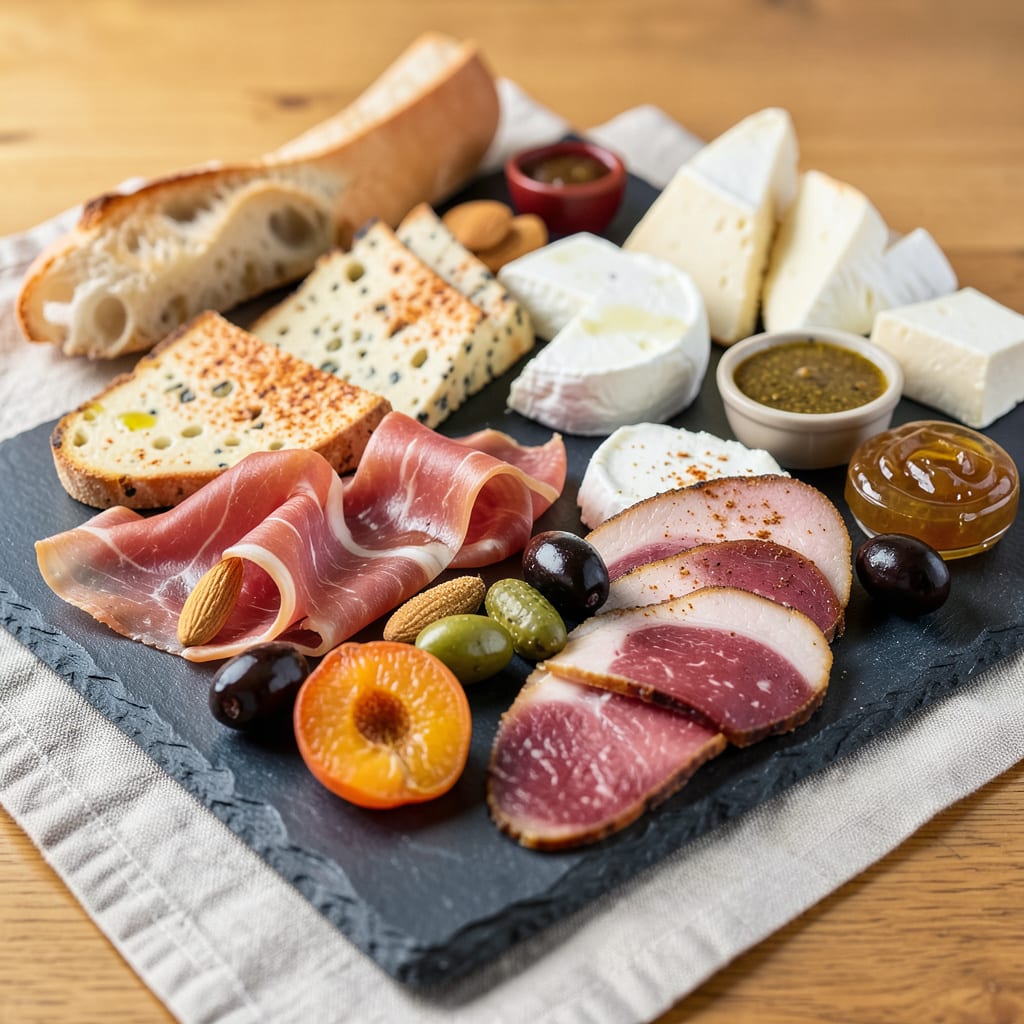
Yes, you can prepare a charcuterie board the night before, but store components separately. Cover meats, cheeses, and crackers tightly, then assemble fresh before serving for best texture and flavor.
I’ve learned through years of hosting that the secret to a show-stopping board lies in strategic prep. 🔥 The key is understanding which components can handle overnight storage—hard cheeses like aged cheddar or Manchego actually improve with time, while cured meats like prosciutto or salami maintain their quality when properly wrapped. What often surprises people is how dramatically humidity affects crackers and breadsticks; even slight exposure can turn them stale. That’s why I always use separate airtight containers and add delicate items like fresh fruit or herbs just before serving.
💡 In This Article
- Why Overnight Charcuterie Board Prep Requires Smart Storage
- Step-by-Step Guide to Prepping a Charcuterie Board Ahead
Why Overnight Charcuterie Board Prep Requires Smart Storage
The moment you expose meats and cheeses to air, oxidation begins altering their texture and flavor. Cured meats like prosciutto develop a slimy film when left uncovered due to fat oxidation, while soft cheeses (brie, camembert) can grow ammonia-like aromas from bacterial growth.
Hard cheeses fare better—their low moisture content (typically 35%) slows degradation, and aging actually intensifies their nutty notes overnight when wrapped properly in parchment paper.
Crackers and breadsticks are the most vulnerable components. Their starch molecules start retrogradation within hours, causing that dreaded stale crunch. At 70°F room temperature, moisture loss occurs 3x faster than in airtight containers. I once tested this by leaving water crackers exposed overnight—they absorbed 12% more humidity from the air, becoming disappointingly soft.
🔥 The solution? Silica gel packets in your storage containers to maintain that perfect crispness.
Temperature control makes or breaks your prep. Refrigerators should stay at 38-40°F to slow bacterial growth on meats while preserving cheese integrity. What most don’t realize is that condensation forms when bringing cold items to room temperature—this is why I let wrapped components sit out 15-20 minutes before assembling.
The thermal shock from fridge to plate can cause cheeses to “sweat,” creating a slick surface that repels other board elements.
Here’s what’s actually happening with different components:
- Cured meats: Fat renders at 50°F+, so keep them in the coldest fridge section
- Soft cheeses: Develop surface mold within 8 hours if left uncovered in plastic
- Nuts: Absorb odors quickly—store in glass containers with bay leaves to neutralize
- Dried fruit: Releases moisture when refrigerated; add paper towels to absorb excess
The game-changer is understanding which items actually improve overnight. Aged gouda develops sharper crystal formations when chilled, while cured salami’s flavors concentrate. I once prepped a board with 24-month aged Parmigiano Reggiano—the overnight rest made its granular texture even more pronounced against the creamy taleggio I paired it with.
✨ The contrast was restaurant-quality because I controlled each component’s environment.
What separates good boards from great ones is managing these microscopic changes. Oxygen absorbers (like those in beef jerky packages) can extend freshness by 2-3 days when placed in storage containers. For ultimate control, vacuum-seal meats and cheeses separately—this prevents the “fridge taste” transfer that happens when flavors mingle prematurely.
The 30 minutes before serving is when magic happens: letting cheeses breathe while keeping meats chilled until the last moment.

Trained in classic French technique but raised on slow-cooked ribs and spicy rubs, she blends culinary skill with smoke and soul.
- Recipe for Boneless Pork Chops in Cast Iron Skillet: Sear and Baste to Juicy Perfection - October 3, 2026
- Recipe for Boneless Cross Rib Roast: Slow-Roasted Beef with Herb Crust - October 3, 2026
- Hamburgers in Sauce Recipe Crock Pot: Slow-Cooked Savory Delight - October 3, 2026