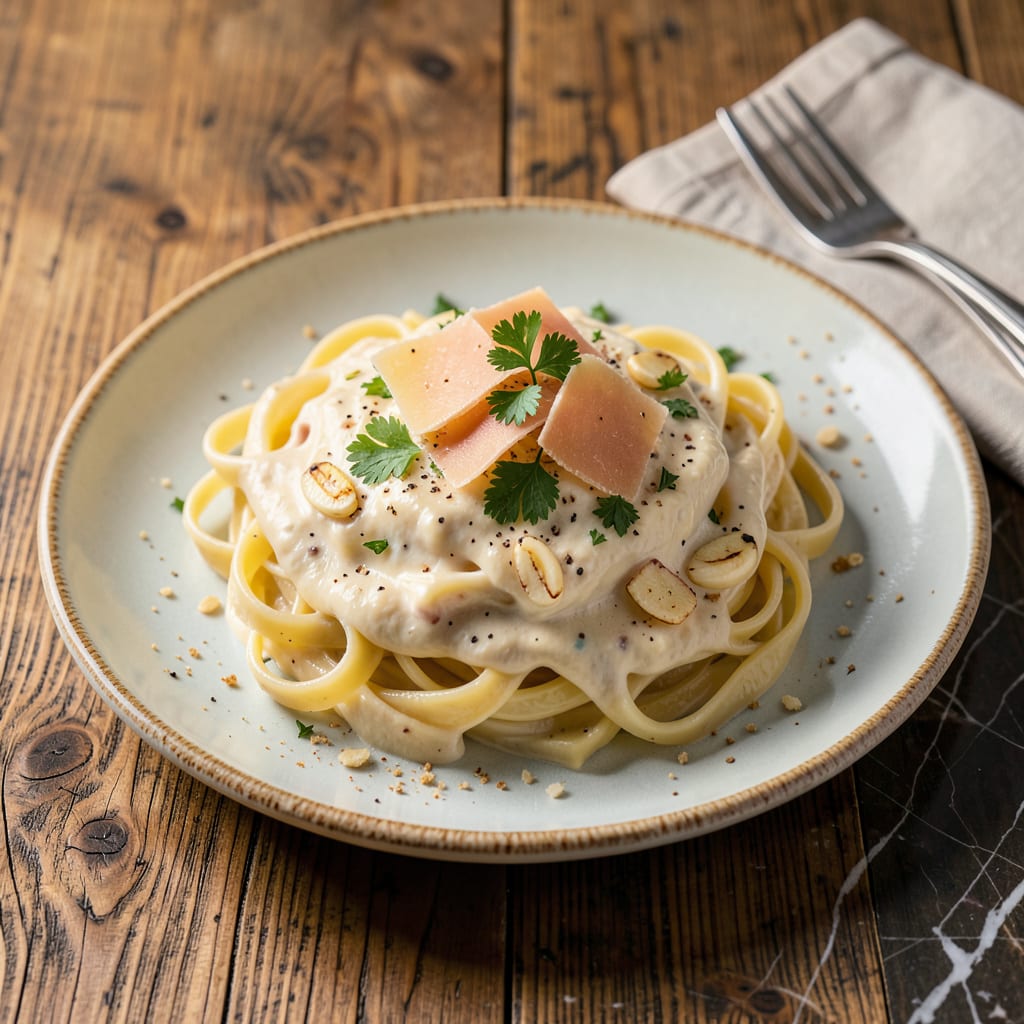
Yes, you can make alfredo sauce without butter by using alternatives like olive oil, cream cheese, or heavy cream to create a rich, creamy texture. The key is balancing fat and emulsification for the right consistency.
I’ve tested countless variations in my kitchen, and the secret lies in how you handle the fat-to-liquid ratio. 🔥 Olive oil brings a fruity depth, while cream cheese adds tangy richness—both can mimic butter’s role when combined with proper technique. What surprises most home cooks is how heavy cream actually creates a more stable emulsion than butter in some cases, especially when you temper it slowly into the cheese mixture. The real magic happens when you understand that alfredo is about fat suspension, not just melting ingredients together.
💡 In This Article
- How Butter Works in Traditional Alfredo Sauce
- Best Butter Substitutes for Homemade Alfredo Sauce
How Butter Works in Traditional Alfredo Sauce
Butter plays three critical roles in classic alfredo: it provides fat for richness, helps create a stable emulsion, and carries flavor compounds. The fat content in butter (about 80%) coats the starch molecules from pasta and cheese proteins, preventing them from clumping.
When you melt butter and whisk it with hot pasta water, you’re creating a temporary emulsion that gives alfredo its signature silky texture. This is why traditional recipes call for ½ cup butter per 1 cup cream—it’s about fat balance, not just flavor.
The science gets interesting when we look at butter’s melting point (90-95°F), which is lower than many substitutes. This allows it to blend smoothly with cheese without breaking. Butter also contains milk solids that brown slightly during cooking, adding subtle nutty notes to the sauce.
When you remove butter, you’re not just losing fat—you’re losing these flavor-developing compounds and the precise melting behavior that makes alfredo cling perfectly to pasta. ✨
What most home cooks don’t realize is that butter acts as a bridge between the cheese and liquid components. The fat globules in melted butter surround the cheese proteins, preventing them from tightening up and squeezing out moisture (which would make your sauce grainy).
This is why simply replacing butter with oil often fails—the oil lacks butter’s emulsifying milk solids. The solution lies in choosing substitutes that can either mimic this emulsifying action or using techniques to create stability through other means.
Temperature control becomes even more crucial without butter. Traditional alfredo relies on butter’s wide temperature tolerance—it stays emulsified between 120-160°F. Many butter substitutes have narrower stable ranges. Olive oil, for example, starts to break down its emulsion at 140°F, while cream cheese can separate if heated too quickly.
This is why butter-free alfredo requires more careful heat management and often benefits from stabilizers like a touch of flour or cornstarch. 🔥
The flavor impact is equally important to consider. Butter contributes lactones and diacetyl compounds that create that familiar rich, slightly sweet taste. When substituting, you’ll need to compensate for these missing flavor notes. A pinch of nutmeg can mimic butter’s warmth, while a splash of white wine adds complexity that butter would normally provide.
The key is understanding that you’re not just replacing fat—you’re rebuilding the entire flavor and texture profile from the ground up.
Here’s what’s actually happening at the molecular level: butter’s fat globules are naturally coated with proteins that help them disperse in water. When you whisk melted butter into hot pasta water, these proteins unfold and create a network that traps water molecules. This is why traditional alfredo can coat pasta so beautifully.
Without butter, you’ll need to either use an ingredient with similar dispersing properties (like egg yolks) or create mechanical emulsification through vigorous whisking or blending. 💫
One final consideration is mouthfeel. Butter gives alfredo that luxurious “melt-in-your-mouth” quality because its fat crystals are perfectly sized to coat your tongue. Replicating this requires choosing substitutes with similar crystal structures.
Heavy cream works well because its fat globules are comparable in size to butter’s, while olive oil creates a different but equally pleasant silkiness. The secret is matching not just the fat content, but the physical structure of the fat molecules themselves.

Trained in classic French technique but raised on slow-cooked ribs and spicy rubs, she blends culinary skill with smoke and soul.
- Recipe for Boneless Pork Chops in Cast Iron Skillet: Sear and Baste to Juicy Perfection - October 3, 2026
- Recipe for Boneless Cross Rib Roast: Slow-Roasted Beef with Herb Crust - October 3, 2026
- Hamburgers in Sauce Recipe Crock Pot: Slow-Cooked Savory Delight - October 3, 2026