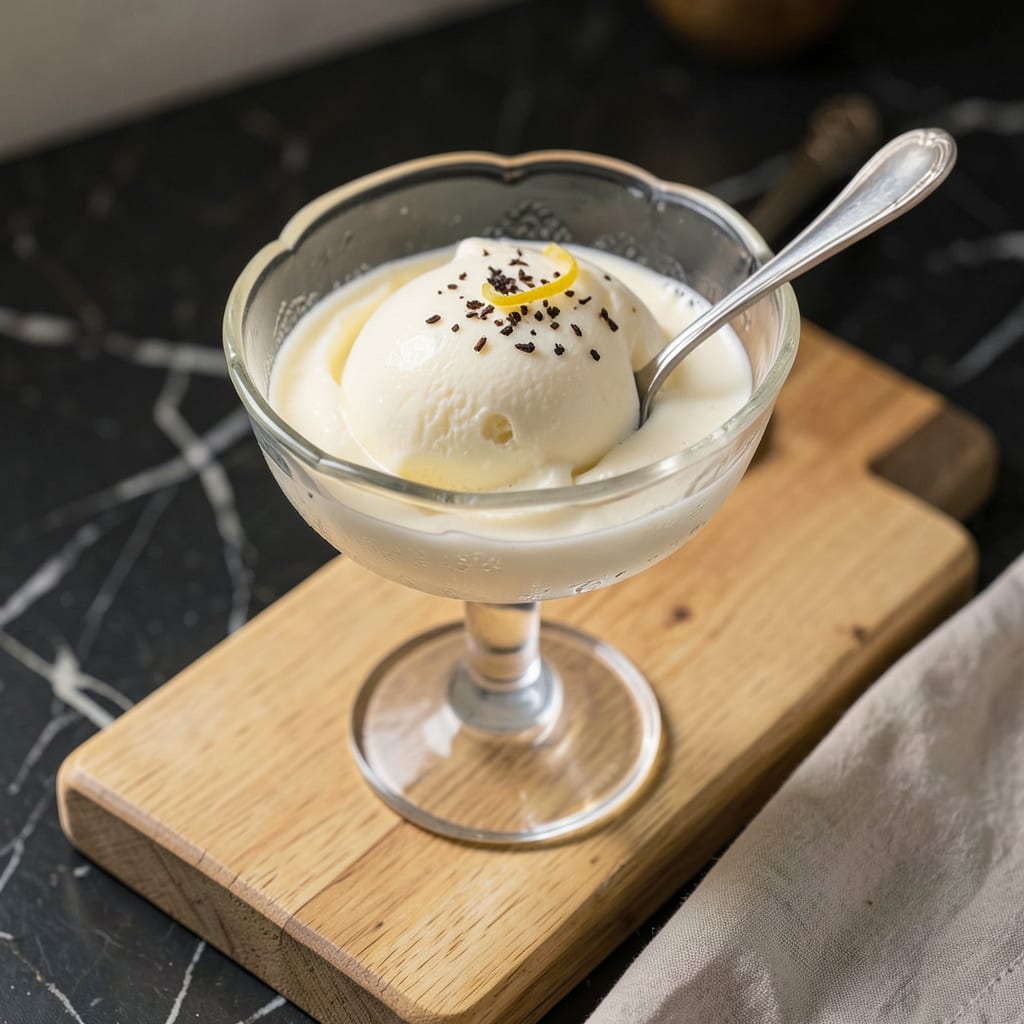
Yes, you can make simple ice cream with just milk by freezing it with constant stirring to prevent ice crystals. The result will be lighter and icier than traditional ice cream since it lacks cream’s fat content for creaminess.
I’ve experimented with this method countless times, and the key lies in how you handle the freezing process. Without cream’s fat, the texture leans more toward a refreshing granita than classic ice cream—but that’s part of its charm! 💫 Whole milk works best because its higher fat content (around 3.25%) gives slightly better body than skim. The real game-changer? Adding a touch of sugar or vanilla before freezing, which helps soften the texture and boosts flavor.
What surprises most people is how quickly this comes together. You don’t need fancy equipment—just a shallow container, a fork for stirring every 20-30 minutes, and patience. It’s perfect for impromptu desserts when you’re craving something cold and sweet but don’t have heavy cream on hand. ✨
💡 In This Article
- How Milk-Only Ice Cream Differs from Traditional Recipes
- Step-by-Step Guide to Creamy Milk-Based Ice Cream at Home
How Milk-Only Ice Cream Differs from Traditional Recipes
The secret lies in fat content and protein structure. Traditional ice cream relies on heavy cream’s 36-40% fat to create that signature velvety texture. Milk alone contains only 3-4% fat, meaning fewer fat globules to coat your taste buds and create that luxurious mouthfeel.
The proteins in milk (casein and whey) form a weaker network during freezing compared to cream’s fat-stabilized structure, resulting in larger ice crystals and a grainier texture.
Here’s what’s actually happening at the molecular level: When you freeze milk, water molecules form ice crystals while proteins and sugars concentrate in the remaining liquid. Without cream’s fat to interrupt crystal formation, these ice structures grow larger and harder.
Sugar plays a crucial role—it lowers the freezing point, keeping more water liquid and preventing rock-hard results. A 1:4 sugar-to-milk ratio works best for balance between sweetness and scoopability.
The melting behavior tells the story. Cream-based ice cream melts slowly because fat takes longer to warm up. Milk-only versions melt almost instantly when exposed to room temperature—often within 5-7 minutes—because they’re primarily water and sugar.
This rapid melt creates that refreshing, almost slushy quality that’s perfect for hot days but lacks the staying power of traditional ice cream.
Flavor intensity takes a different turn too. With less fat to carry flavor compounds, milk-based ice cream tastes lighter and cleaner. Vanilla extract shines more brightly here than in cream-based versions where fat can mute subtle notes.
I’ve found that fruit purees (like strawberry or mango) work exceptionally well in milk-only recipes because their natural sugars complement the lighter base without overwhelming it.
Consider these key differences in practice:
- Texture: More crystalline than creamy, similar to a soft granita
- Mouthfeel: Lighter on the palate, with less coating sensation
- Serving temp: Best at 10-15°F (warmer than traditional ice cream)
- Flavor pairing: Bright, acidic flavors (citrus, berries) work better than rich add-ins
The science behind this involves understanding how different dairy components behave when frozen. Casein proteins in milk form weaker gels than cream’s fat crystals, which is why you’ll never achieve that dense, scoopable consistency.
But that’s not necessarily a bad thing—this lighter version has its own unique appeal, especially when you’re craving something refreshing rather than decadent. 💫

Trained in classic French technique but raised on slow-cooked ribs and spicy rubs, she blends culinary skill with smoke and soul.
- Recipe for Boneless Pork Chops in Cast Iron Skillet: Sear and Baste to Juicy Perfection - October 3, 2026
- Recipe for Boneless Cross Rib Roast: Slow-Roasted Beef with Herb Crust - October 3, 2026
- Hamburgers in Sauce Recipe Crock Pot: Slow-Cooked Savory Delight - October 3, 2026