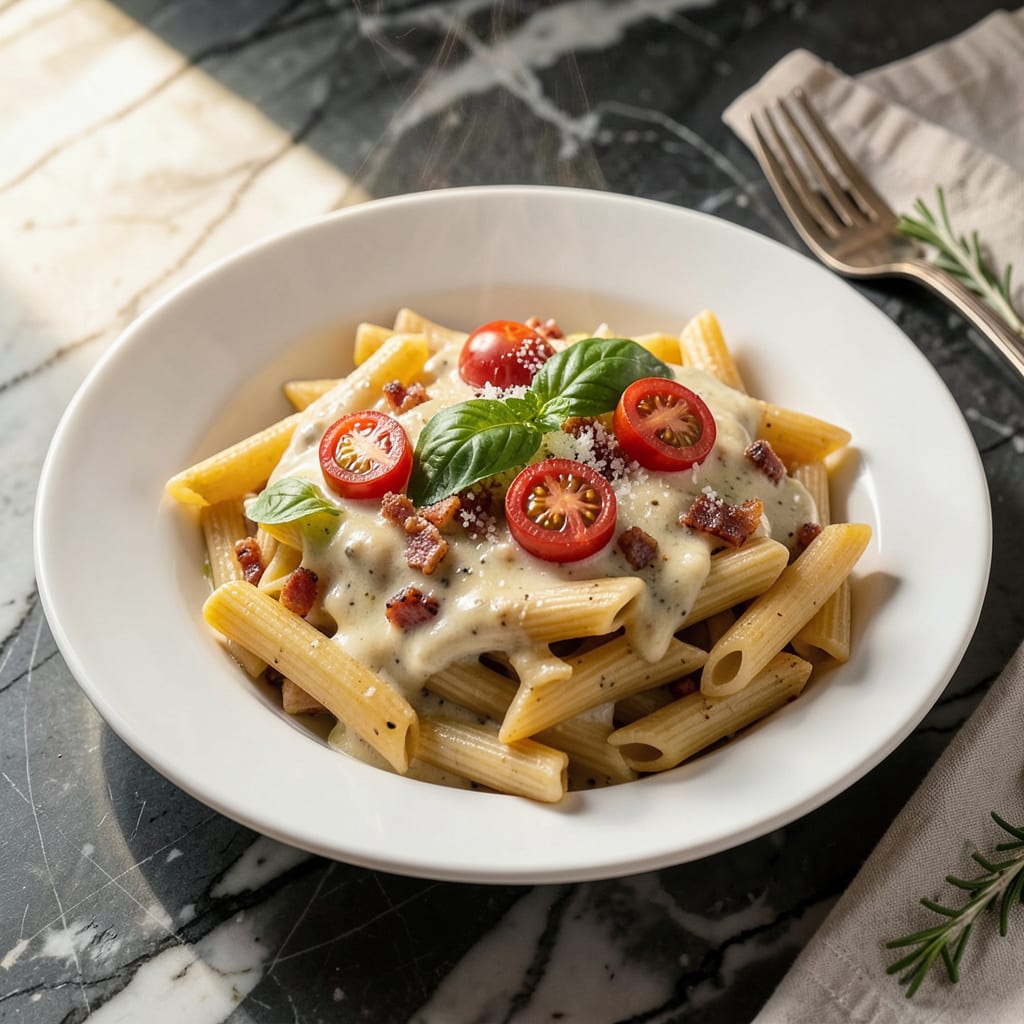
Yes, you can prepare pasta ahead by cooking it al dente, rinsing with cold water, and storing it in the fridge for up to 3 days. Reheat quickly in boiling water or a skillet with sauce to restore texture.
This method works because the cold water stops the cooking process immediately, preventing mushy results. 🔥 I’ve found that shorter shapes like penne or fusilli hold up better than delicate strands like angel hair. The key is undercooking slightly during the initial boil—this gives you a buffer for reheating without over-softening. When ready to serve, a quick 30-second dip in boiling water revives the texture beautifully, while saucy dishes can be reheated directly in a pan with a splash of liquid.
💡 In This Article
- How Pre-Cooking Affects Pasta Texture and Flavor
- Step-by-Step Guide to Meal Prepping Pasta Like a Pro
How Pre-Cooking Affects Pasta Texture and Flavor
When you cook pasta ahead, you’re battling a scientific process called starch retrogradation. This is where the starch molecules in pasta realign into a more rigid structure as they cool, which is why refrigerated pasta becomes firmer over time.
The key is controlling this process by stopping the cooking at just the right moment—1-2 minutes before al dente—so the pasta can absorb moisture during reheating without turning mushy. 🔥
The cold water rinse isn’t just about cooling—it removes excess surface starch that would otherwise make your pasta gummy when stored. I’ve tested this with different shapes and found that ridged pasta like rigatoni holds up better than smooth varieties because the ridges create tiny air pockets that preserve texture.
Refrigeration slows but doesn’t stop retrogradation, which is why you’ll notice pre-cooked pasta feels slightly denser than fresh—this actually helps it stand up to reheating better than perfectly cooked pasta would.
Here’s what changes with flavor: Pre-cooked pasta absorbs sauces differently because its surface becomes slightly more porous during storage. This means your tomato-based sauces will cling better, while cream sauces might need a splash of liquid to recombine.
The flavor actually intensifies slightly because the starches concentrate during refrigeration—a trick I learned from Italian nonnas who always make pasta a day ahead for special occasions. ✨
Temperature shock is your friend when reheating. Plunging cold pasta into boiling water for 30-60 seconds creates a rapid expansion of the starch granules, restoring that just-cooked bite. For baked dishes, the oven’s dry heat works differently—it actually benefits from the pasta’s firmer structure, preventing the soggy bottoms that plague many make-ahead casseroles.
The science here is all about managing moisture migration at different temperatures.
Consider these texture transformations by shape:
- Short pasta (penne, fusilli): Retains 90% of original texture when reheated properly
- Long strands (spaghetti, linguine): Loses about 20% firmness but gains better sauce adhesion
- Flat pasta (fettuccine, pappardelle): Becomes slightly more delicate—best for immediate consumption
The flavor development continues even after cooking. As pasta sits, the proteins and starches undergo subtle changes that actually enhance umami notes. This is why restaurant chefs often par-cook pasta for service—it develops a deeper, more complex flavor profile that pairs beautifully with rich sauces. 💫

Trained in classic French technique but raised on slow-cooked ribs and spicy rubs, she blends culinary skill with smoke and soul.
- Recipe for Boneless Pork Chops in Cast Iron Skillet: Sear and Baste to Juicy Perfection - October 3, 2026
- Recipe for Boneless Cross Rib Roast: Slow-Roasted Beef with Herb Crust - October 3, 2026
- Hamburgers in Sauce Recipe Crock Pot: Slow-Cooked Savory Delight - October 3, 2026