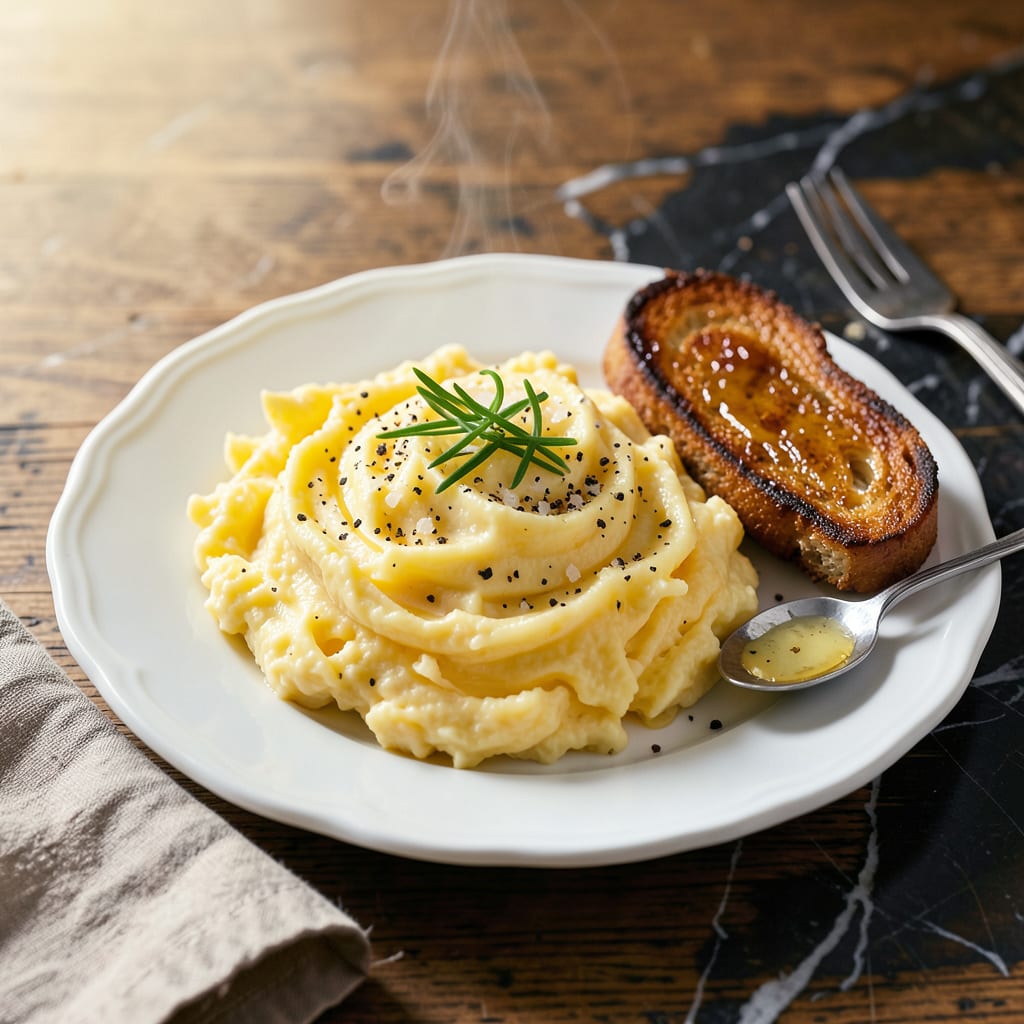
Yes, you can make scrambled eggs using only yolks for an ultra-rich, velvety texture with deeper flavor. The result is creamier and more decadent than traditional scrambled eggs, though slightly denser without the whites.
I’ve found that yolk-only scrambles transform breakfast into something truly luxurious. The secret lies in the fat content—yolks contain nearly all the egg’s fat, which emulsifies beautifully during cooking to create that signature silkiness. 🔥 This method works wonders when you’re craving something indulgent, like a brunch centerpiece or special occasion dish. Just remember to adjust your heat lower than usual, as the higher fat concentration makes them more prone to overcooking.
💡 In This Article
- Why Yolk-Only Scrambled Eggs Taste Different Than Classic Versions
- Step-by-Step Guide to Perfect Yolk-Only Scrambled Eggs
Why Yolk-Only Scrambled Eggs Taste Different Than Classic Versions
Here’s what’s actually happening in your pan: egg yolks contain 4.5g of fat per yolk compared to just 0.06g in the white. This fat difference creates a completely different cooking experience. When heated, the lecithin in yolks acts as a natural emulsifier, binding fat and water molecules to form that signature velvety texture.
Without whites to dilute them, the yolks create a more concentrated emulsion that coats your palate differently. ✨
The flavor transformation comes down to chemistry. Yolks contain all the egg’s cholesterol (210mg per yolk) and fat-soluble vitamins (A, D, E, K), which carry rich, savory flavors. Removing the whites eliminates the sulfur compounds that can sometimes create that “eggy” sharpness. What remains is pure, buttery richness with caramelized notes when cooked properly.
The Maillard reaction occurs more intensely with yolk-only scrambles because the proteins and sugars are more concentrated.
You’ll notice the mouthfeel differs dramatically from whole-egg scrambles. The absence of egg whites means no air incorporation during whisking, resulting in denser curds. But here’s the payoff: those curds become incredibly tender and almost custard-like. I’ve found they hold heat longer too, staying warm for 2-3 minutes more than traditional scrambles.
This makes them perfect for plating and serving at leisurely brunches. 🔥
Temperature control becomes even more critical with yolk-only eggs. Their higher fat content means they cook at lower temperatures—ideal range is 250-275°F compared to 300°F for whole eggs. The proteins in yolks coagulate at 144-158°F, creating that perfect soft set.
Go too hot and you’ll break the emulsion, causing the fats to separate and create a greasy texture. The sweet spot is when the eggs form soft waves that slowly firm up.
Consider these key differences when choosing your approach:
- Fat content: 100% of egg’s fat in yolks vs 33% in whole eggs
- Protein structure: Yolk proteins coagulate more gently than white proteins
- Flavor intensity: 3x more flavor compounds per bite than whole-egg versions
- Cooking time: Requires 20-30% longer on lower heat
The real magic happens when you understand how to work with these differences. The lack of whites means you need to adjust your seasoning—salt enhances the natural umami in yolks, while pepper adds necessary contrast to the richness. A pinch of sugar (1/8 tsp per 4 yolks) can balance the depth of flavor beautifully.
This isn’t just scrambled eggs—it’s a completely different culinary experience that plays by its own delicious rules. 💛

Trained in classic French technique but raised on slow-cooked ribs and spicy rubs, she blends culinary skill with smoke and soul.
- Recipe for Boneless Pork Chops in Cast Iron Skillet: Sear and Baste to Juicy Perfection - October 3, 2026
- Recipe for Boneless Cross Rib Roast: Slow-Roasted Beef with Herb Crust - October 3, 2026
- Hamburgers in Sauce Recipe Crock Pot: Slow-Cooked Savory Delight - October 3, 2026