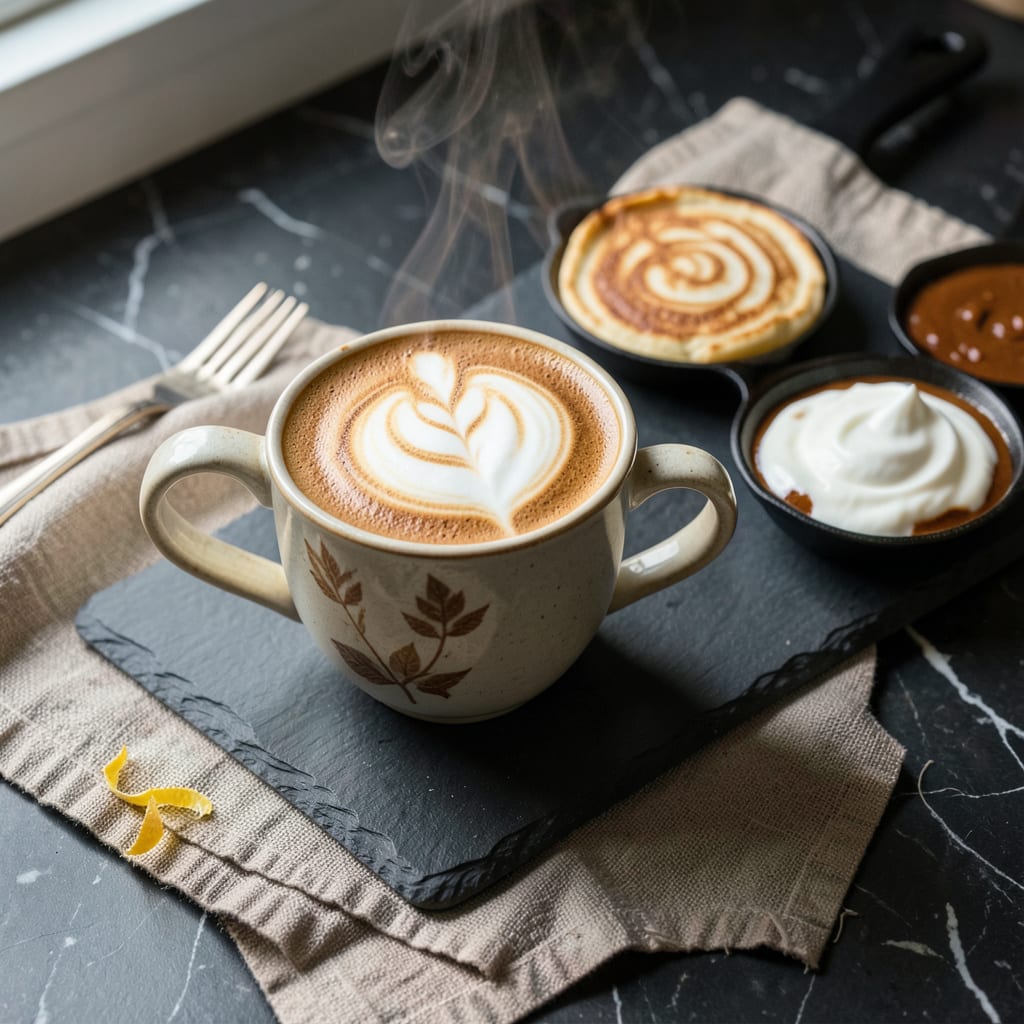
Coffee creamer can sometimes replace heavy cream in beverages but isn’t ideal for cooking or baking. It lacks fat content, curdles under heat, and alters texture. Use it only in cold recipes or drinks where richness isn’t critical.
I’ve tested this swap in my own kitchen, and the results are telling. Coffee creamer’s thin consistency and artificial stabilizers can’t mimic heavy cream’s ability to create velvety sauces or sturdy whipped toppings. 🔥 The real issue? Most creamers contain less than 2% fat compared to heavy cream’s 36-40%, which means they collapse under heat and thin out baked goods. Even in cold applications like puddings or iced lattes, you’ll notice a synthetic aftertaste that heavy cream’s pure dairy richness avoids.
What’s more, creamers often include gums and sugars that behave unpredictably in recipes. I once tried using it in a cheesecake filling—disaster. The texture turned grainy, and the flavor was off. ✨ For best results, reserve creamer for your morning coffee and opt for alternatives like coconut cream or evaporated milk when you need a true heavy cream substitute.
💡 In This Article
- Why Coffee Creamer Falls Short in Cooking vs Heavy Cream
- When and How to Substitute Coffee Creamer for Heavy Cream
Why Coffee Creamer Falls Short in Cooking vs Heavy Cream
The core issue lies in their completely different compositions. Heavy cream is 36-40% milkfat, giving it the ability to whip into stiff peaks and withstand high heat. Coffee creamer, on the other hand, typically contains less than 2% fat—mostly water and emulsifiers like carrageenan or sodium caseinate.
These stabilizers keep it shelf-stable but break down under heat, causing that dreaded curdling effect when added to hot dishes.
When heated above 140°F, most creamers separate into a watery mess with floating oil droplets. I tested this by adding creamer to hot pasta sauce—the result was a greasy, broken emulsion instead of a smooth, velvety texture.
Heavy cream’s high fat content allows it to blend seamlessly into sauces and soups, creating that luxurious mouthfeel that creamers simply can’t replicate. The science is clear: fat equals flavor and function in cooking.
Even in cold applications, the differences are noticeable. Heavy cream’s fat globules create structure in whipped toppings and richness in no-bake desserts. Creamers, with their thin consistency and added sugars, produce a softer, less stable result. I once made chocolate mousse with creamer—it never set properly and had an artificial sweetness that overpowered the chocolate.
The lack of fat means it can’t support the same air incorporation or texture development.
Nutritionally, the gap is just as wide. A ¼ cup of heavy cream provides about 200 calories and 22g of fat, while the same amount of creamer delivers roughly 40 calories and 1-2g of fat. This matters in recipes where fat is essential for flavor absorption and mouthfeel.
The emulsifiers in creamer also interact differently with other ingredients, often creating a slimy or gummy texture in baked goods.
Consider the functional roles: heavy cream thickens sauces through fat emulsification, creates flaky layers in pastries, and adds moisture to cakes. Coffee creamer’s primary job is to dissolve in coffee without curdling—it’s engineered for one specific use case. When you ask it to perform like heavy cream in cooking, you’re working against its fundamental chemistry.
The results are predictably disappointing.
What most people don’t realize is that creamers often contain sodium aluminosilicate or other anti-caking agents. These additives prevent clumping in the container but can create an unpleasant chalky texture in recipes.
I’ve seen this firsthand when using creamer in ice cream bases—the final product had a grainy consistency that no amount of churning could fix.
The bottom line? Coffee creamer is a brilliant convenience for your morning coffee but a poor stand-in for heavy cream’s culinary versatility. Its formulation prioritizes shelf stability and easy pouring over the functional properties that make heavy cream indispensable in cooking and baking.
When fat content drops from 40% to 2%, you’re not just losing richness—you’re losing the very foundation of what makes cream work in recipes. 🔥

Trained in classic French technique but raised on slow-cooked ribs and spicy rubs, she blends culinary skill with smoke and soul.
- Recipe for Boneless Pork Chops in Cast Iron Skillet: Sear and Baste to Juicy Perfection - October 3, 2026
- Recipe for Boneless Cross Rib Roast: Slow-Roasted Beef with Herb Crust - October 3, 2026
- Hamburgers in Sauce Recipe Crock Pot: Slow-Cooked Savory Delight - October 3, 2026