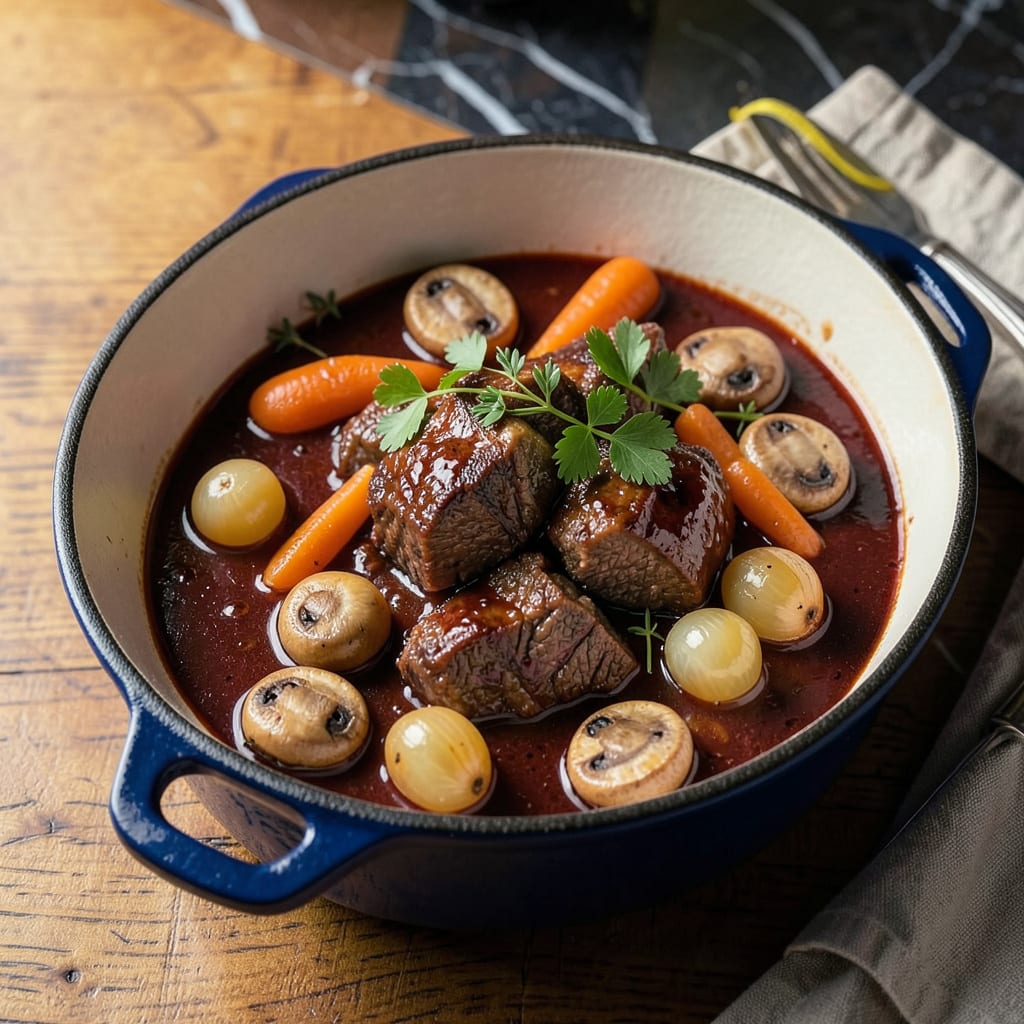
Yes, you can use old wine for cooking if it hasn’t turned to vinegar. Opened wine lasts 3–5 days refrigerated, while unopened wine (even past its prime) can still add depth to sauces, stews, and marinades. Avoid wine with off smells or sediment buildup.
I’ve found that older wine often develops richer, more complex flavors when reduced—think deeper caramel notes in a pan sauce or robust undertones in a beef bourguignon. 🔥 The key is understanding how oxidation alters the wine’s profile: what might taste flat in a glass can transform into a concentrated, savory base for braised dishes. My rule of thumb? If it smells sharp or looks cloudy, it’s better to compost it than cook with it.
What many don’t realize is that cooking actually burns off the alcohol, leaving behind intensified fruit and earthy notes. ✨ This makes slightly past-its-prime wine ideal for long-simmered recipes where its character can shine without overpowering. Just remember: always taste before adding—your dish is only as good as its ingredients.
💡 In This Article
- How Old Wine Transforms Flavor in Cooked Dishes
- Safe Ways to Cook with Old or Opened Wine
How Old Wine Transforms Flavor in Cooked Dishes
When you heat wine, the alcohol evaporates first—typically within 10-15 minutes of simmering—leaving behind concentrated flavor compounds. The magic happens as sugars caramelize, acids mellow, and tannins soften. A wine that tastes flat when sipped can develop deep, layered flavors when reduced by 50-75%.
This is why older reds work beautifully in braises: their oxidized tannins create a velvety texture in sauces.
Consider how a 3-year-old Cabernet behaves differently than fresh wine in cooking. The aged version has lost some fruit brightness but gained nutty, leathery notes that complement mushroom risotto or beef stew. 🔥 In contrast, young wine contributes more vibrant acidity—ideal for quick pan sauces.
The Maillard reaction (browning) between wine sugars and proteins creates complex umami flavors that newer wine simply can’t match in short cooking times.
Here’s what’s actually happening at the molecular level: as wine oxidizes, acetaldehyde forms, which at low levels adds pleasant nutty aromas but becomes harsh vinegar at high concentrations. The heat from cooking accelerates this process but also breaks down larger tannin molecules into smoother polymers.
A 20-minute reduction can transform a mediocre Merlot into a rich, syrupy glaze with flavors reminiscent of dried cherries and cocoa.
The alcohol content matters less than you’d think—most dishes retain only 5-10% of the original alcohol after 1 hour of cooking. What remains are the volatile aroma compounds that give wine its character. Older whites develop honeyed notes perfect for cream sauces, while aged reds contribute tobacco and spice undertones to tomato-based dishes.
The key is matching the wine’s current profile to the dish’s flavor needs.
I’ve found that slightly oxidized wine works wonders in marinades because the increased acidity helps tenderize meat. ✨ For example, a 5-day-old Pinot Noir makes chicken thighs incredibly juicy when marinated overnight.
The wine’s altered chemistry creates a more aggressive tenderizing effect than fresh wine, while the muted fruit flavors won’t compete with your rub or seasoning.
What most people don’t realize is that older wine often contains more sediment—these are actually flavor-packed polyphenols that dissolve during cooking. Strain your wine before using if you want a smoother sauce, or leave them in for extra body in stews.
The sediment from a 10-year-old Bordeaux can add remarkable depth to a lamb shank braise when properly incorporated.
The science behind this involves thermal degradation of malic acid into softer lactic acid, similar to how apples become sweeter when cooked. 💫 This explains why that opened Chardonnay you forgot about suddenly tastes perfect in your coq au vin—the harsher edges have mellowed into something far more complex and interesting.

Trained in classic French technique but raised on slow-cooked ribs and spicy rubs, she blends culinary skill with smoke and soul.
- Recipe for Boneless Pork Chops in Cast Iron Skillet: Sear and Baste to Juicy Perfection - October 3, 2026
- Recipe for Boneless Cross Rib Roast: Slow-Roasted Beef with Herb Crust - October 3, 2026
- Hamburgers in Sauce Recipe Crock Pot: Slow-Cooked Savory Delight - October 3, 2026