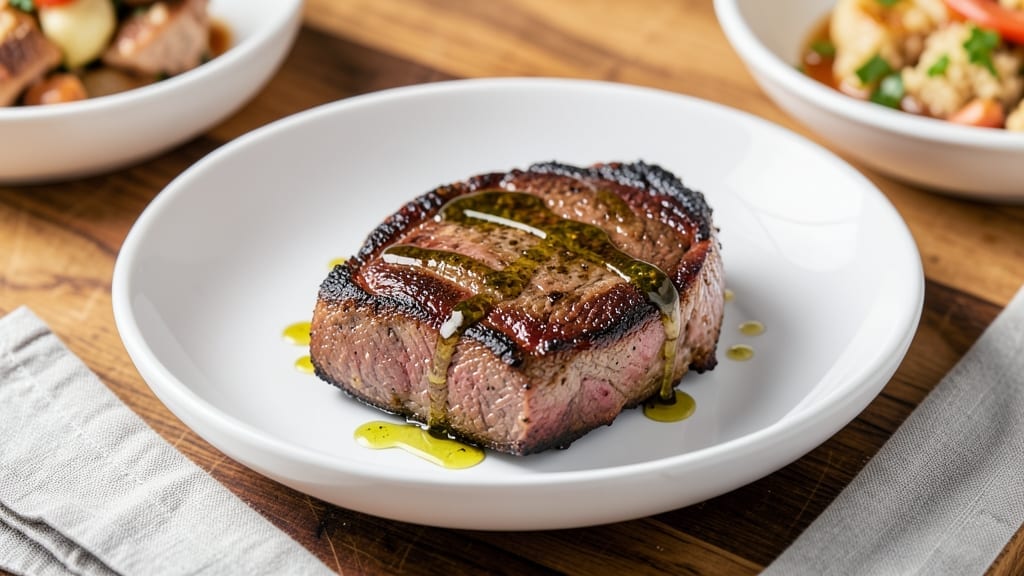
This carnivore beef brisket recipe delivers the ultimate meat-forward masterpiece—fat-capped, fall-apart tenderness that makes every bite worth the wait. 🔥 Growing up, my family’s backyard cookouts taught me that slow-cooked brisket isn’t just a dish; it’s a tradition built on patience, smoke, and the kind of rich flavor that lingers long after the last bite.
The key lies in low-and-slow cooking, where connective tissues break down into velvety perfection while the fat renders into crispy, flavorful layers.
What sets this brisket apart is the carnivore approach: no fillers, no distractions—just pure, unadulterated beef. We start with a thick-cut brisket, seasoned simply with salt and black pepper, then slow-cook it until the probe test reveals that signature tenderness.
The fat cap becomes a golden, crispy shield, protecting the meat while adding layers of flavor with every bite. This isn’t just a recipe; it’s a celebration of beef in its most natural, satisfying form.
By the time you pull that brisket from the smoker or oven, you’ll have a centerpiece that commands attention—juicy, rich, and so tender it practically melts in your mouth. The crust is crackling and deep-brown, while the interior is so soft it nearly dissolves at the touch of a fork.
Serve it with classic carnivore sides like baked potatoes, cornbread, or a simple green salad for balance, though let’s be honest: most will skip the sides entirely.
This method works equally well for a weekend project or a special occasion, and the leftovers? Even better the next day. Whether you’re feeding a crowd or treating yourself to a meaty masterpiece, this brisket delivers restaurant-quality results with a pitmaster’s touch. Let’s get cooking—your taste buds will thank you.
Ingredients for carnivore beef brisket
Just beef, salt, and pepper—this carnivore brisket is all about pure, unadulterated flavor.
| Ingredient | Amount | Notes |
|---|---|---|
| Beef Brisket 🥩 | 4 lb | Thick-cut with fat cap, preferably packer cut |
| Kosher Salt 🧂 | 1 ½ tbsp | Diamond Crystal preferred, coarse grain |
| Freshly Ground Black Pepper 🌶️ | 1 ½ tsp | Cracked peppercorns for best flavor |
| Yellow Onion 🧅 | 1 whole | Yellow or red, for aromatics (optional) |
| Garlic Cloves 🧄 | 4 cloves | Peeled, for optional aromatics |
| Apple Cider Vinegar 🍎 | 2 tbsp | For tenderizing (optional) |
| Beef Tallow or Bacon Fat 🥓 | ½ cup | For rendering fat cap (optional) |
| Wood Chips or Chunks 🌳 | 1 cup | Hickory or oak preferred |
| Charcoal Briquettes 🔥 | 20 whole | Or lump charcoal for smoker |
| Butcher Paper or Aluminum Foil 📄 | 1 sheet | For wrapping brisket |
| Beef Stock 💧 | 1 cup | Homemade or high-quality store-bought |
| Aromatic Herbs 🌿 | 1 tbsp | Fresh thyme or rosemary (optional) |
[recipe_ingredient_scaler]
The brisket is the star here, so don’t cut corners. Look for a packer cut with a thick fat cap—at least 1/4 inch—from a trusted butcher or Costco. The fat renders into flavor, so more is better. If your store sells pre-cut briskets, grab the whole packer cut and ask them to trim it for you. Freshness matters too: aim for brisket that’s bright red, not gray or slimy. I’ve made this with USDA Prime and Choice grades, but honestly, the fat cap is what counts most. Skip the pre-marinated or injected briskets—they’re not carnivore-friendly.
No fancy seasonings needed—just salt and pepper. But if you want to take it up a notch, rub the brisket with apple cider vinegar before cooking to tenderize it further. The optional onion and garlic? Slice them open and place them on top of the brisket during cooking for subtle sweetness. Running short on wood chips? Pine cones or even applewood work in a pinch. The beef stock isn’t mandatory, but it adds depth if you’re wrapping the brisket. For the fat, bacon fat or duck fat are great swaps if you don’t have tallow. And if you’re smoking, lump charcoal burns hotter and cleaner than briquettes—worth the extra cost for serious flavor.
This brisket tastes even better the next day, so plan ahead. Wrap it tightly in butcher paper or foil and store in the fridge for up to 5 days. For longer storage, slice it against the grain and freeze portions for up to 3 months. The fat cap stays crispy if you reheat it low and slow—300°F in the oven is ideal. Leftovers? Shred the rest and toss it into breakfast eggs or carnivore chili for a flavor boost. Trust me, you’ll want to make this twice in one weekend.
Why You’ll Love This Recipe
- No-Fuss Smoking: I’ll admit it—smoking brisket sounds intimidating at first. But this recipe simplifies it with just a few key steps: trim the fat cap, dry-brine with salt and pepper, and let the smoker do the heavy lifting. The optional beef tallow rendering means no messy cleanup, and that 1-hour dry-brine? Game-changer for texture without extra effort.
- Smoky, Salty, Addictive: The kosher salt and freshly ground black pepper create that perfect crust, while the yellow onion and garlic infuse the meat with deep, aromatic warmth. That final wrap with beef stock and apple cider vinegar? It’s like a flavor boost on steroids—juicy, smoky, and just a little tangy. Trust me, the first bite will have you forgetting all about takeout.
- Leftovers That Outlast the Meal: This isn’t just a one-and-done dish. Slice it against the grain, wrap it up, and it’ll keep for five days in the fridge—or freeze portions for months. Reheat slices in the oven for 10 minutes, and they’ll taste even better the second time around. Perfect for busy weeknights or when you’re hosting and want to impress without the stress.
- Budget Beef Victory: Brisket is one of the most flavorful cuts, and with 4 pounds of it, you’re getting serious bang for your buck. The wood chips and charcoal might seem pricey, but they last forever, and the rest of the ingredients? Basic pantry staples. You’ll end up with enough meat to feed a crowd, and every bite will make it feel like a splurge.
Step-by-step instructions for carnivore beef brisket
Here’s how to transform a tough cut into melt-in-your-mouth perfection.
🔥 Step 1: Prep the Brisket with Dry Rub
Start by trimming the fat cap down to about ¼ inch thickness using a sharp knife. Leave the point intact—it’s the most tender part. Pat the brisket dry with paper towels, then rub all sides with the 1½ tbsp kosher salt and 1½ tsp freshly ground black pepper until it clings evenly. The salt will break down muscle fibers, making the meat more tender.
Place the brisket fat-side up on a wire rack set over a baking sheet. Refrigerate uncovered for 1 hour (or up to 24 hours for deeper flavor). This dry-brining step is crucial—it creates a perfect crust while keeping the meat juicy. Don’t skip it, even if you’re eager to start cooking.
🍳 Step 2: Build the Smoker and Preheat
While the brisket rests, prepare your smoker. Soak the 1 cup wood chips or chunks (hickory or oak) in water for 30 minutes, then drain. Add them to a smoker box or directly on the charcoal. Light 20 charcoal briquettes and let them burn until they’re covered with a thin layer of white ash.
Place the brisket on the smoker grate, fat-side up. Set the temperature to 225°F. You’ll know it’s ready when you see thin, blue smoke (not thick white smoke). This low-and-slow approach is key—it allows collagen to break down slowly, resulting in that signature tender texture. Close the lid and resist the urge to peek.
🥘 Step 3: Smoke Until the Stall
Smoke the brisket undisturbed for 6-8 hours until the internal temperature reaches 165-170°F. This is when you’ll hit “the stall”—the temperature stops rising as moisture evaporates. Don’t panic; this is normal and expected. The bark should be deep mahogany and crispy.
Here’s where the magic happens: When you hit the stall, remove the brisket from the smoker. In a separate bowl, combine 1 cup beef stock with the 2 tbsp apple cider vinegar and 1 tbsp aromatic herbs (thyme or rosemary). Pour this mixture over the brisket, then wrap it tightly in the butcher paper or aluminum foil, leaving room for expansion. Return it to the smoker.
⏰ Step 4: Finish and Rest
Continue smoking until the internal temperature reaches 200-205°F (about 4-6 more hours). The probe should slide in like butter with no resistance. This final stage ensures the brisket is fork-tender and ready to pull apart.
Remove the brisket from the smoker and let it rest for 1 hour (or up to 2 hours) wrapped in the butcher paper. This resting period allows the juices to redistribute throughout the meat, ensuring every slice is moist and flavorful. The bark will stay crispy, and the meat will be perfectly tender.
🔪 Step 5: Slice and Serve
Unwrap the brisket and slice against the grain into ¼-inch thick slices. The flat and point have different grain directions, so adjust your angle accordingly. Serve immediately while still warm. Each slice should be tender enough to pull apart with a gentle tug, with a dark mahogany bark on the outside and a beautiful pink smoke ring just beneath.
Pair with your favorite sides—simple mashed potatoes or a fresh green salad work perfectly. The brisket’s rich, beefy flavor stands on its own, so let it shine without overwhelming sauces. Leftovers? Store in the fridge for up to 5 days or freeze for 3 months—they’ll be even more tender the next day.
Pro Tips For Making Carnivore Beef Brisket
- Trim That Fat Cap: Cut the fat cap to exactly ¼-inch—thicker, and it’ll render into grease instead of flavor; thinner, and you lose the natural moisture barrier. A sharp knife makes this easier, and don’t skip it—fat is fuel for that mahogany crust.
- Salt Early, Salt Often: The 1-hour dry brine in the fridge isn’t just a suggestion—it’s where the real magic happens. If you’re short on time, at least let it sit on the counter for 30 minutes before smoking. That salt isn’t just for flavor; it’s breaking down those tough fibers so the meat falls apart later.
- Watch the Smoke Color: Thin, blue smoke means your 20 charcoal briquettes are ready—thick white smoke means you’re burning wood chips too fast. Drain them well after soaking, and don’t overload the smoker box. You want flavor, not a smoky overpowering haze.
- Wrap Tight, No Shortcuts: When you hit the stall and wrap the brisket in butcher paper or foil, make it snug—like a burrito, not a loose blanket. The 1 cup beef stock and 2 tbsp apple cider vinegar need to stay put, or you’ll end up with a soggy mess instead of juicy perfection. Crimp the edges if you’re using foil.
Make-ahead tips for this dish
Prep Ahead for Perfect Bark
I always prep my brisket the night before to save time and maximize flavor. After trimming the fat cap to ¼ inch, season it generously with 1½ tbsp Diamond Crystal kosher salt and 1½ tsp cracked peppercorns.
Place it fat-side up on a wire rack over a tray and refrigerate uncovered for 24 hours. This dry-brine step creates a deep crust while keeping the meat juicy. Trust me—it’s worth the wait! 🔥
Soak Wood Chips Early
To avoid last-minute chaos, soak your 1 cup hickory or oak wood chips in water for 30 minutes the night before. Drain and store them in a sealed container in the fridge. When you’re ready to smoke, just dump them onto your hot coals.
This ensures steady smoke without burning the chips. I keep a backup bag of chips in the pantry just in case!
Pre-Wrap for Easier Handling
Before smoking, wrap your brisket in butcher paper (my favorite) or foil and refrigerate overnight. This keeps the meat cold and prevents it from drying out. When you’re ready to cook, unwrap it and place it directly on the smoker grate.
The paper helps maintain moisture during the stall phase, which is crucial for that perfect texture.
Prep Sides in Advance
While the brisket smokes, prep your sides ahead. Make a big batch of mashed potatoes or cornbread and store them in the fridge. Reheat them gently in the oven at 300°F while the brisket rests.
This way, everything hits the table together without stress. A simple green salad can wait until serving time—no need to rush it!
Freeze Extra Fat Cap
If you have leftover beef tallow or bacon fat from rendering the brisket’s fat cap, freeze it in an airtight container. This golden liquid gold is perfect for future cooking—use it to sear steaks or add richness to gravies.
I always save at least ½ cup for my next project. Waste not, want not!
Plan Your Timeline
Start your smoker early—6-8 hours before serving—to account for the stall and resting time. Use a timer on your phone to track internal temperature. I like to begin around 10 AM for a 6 PM dinner, giving me plenty of time to slice and serve.
The key is patience—rushing this step ruins the tenderness. Take a deep breath and enjoy the process! ✨
Nutrition facts
Frequently asked questions
Why does this recipe emphasize the fat cap on the brisket?
The fat cap is your secret weapon for flavor and texture! When rendered properly during smoking, it creates a crispy, golden bark that protects the meat while infusing every bite with deep, beefy richness. The ¼-inch trimmed layer ensures enough fat for flavor without making the meat greasy. This carnivore approach lets the fat shine—no fillers, just pure beef perfection.
Can I skip the dry-brine step if I’m short on time?
While you can cook it without the 1-hour dry-brine, skipping it risks a less flavorful crust. The salt draws out moisture, then reabsorbs it during cooking, creating that perfect balance of tenderness and bark. If you’re pressed, at least pat the brisket dry thoroughly before seasoning—it’ll still be delicious, just not quite as polished.
What if my smoker temperature fluctuates during cooking?
Fluctuations are normal, but keep an eye on the 225°F target. Use a reliable meat probe and adjust vents as needed. If temps drop below 200°F, add more charcoal; if too hot, crack the lid slightly. The key is patience—consistent heat breaks down collagen slowly for that melt-in-your-mouth texture. A 2-hour stall is normal, so don’t panic!
How do I know when the brisket is done without a meat thermometer?
Look for these visual cues: the bark should be deep mahogany and crispy, and the meat should pull away from the bone easily. Poke a knife into the thickest part—if it slides in with minimal resistance (like butter), it’s ready. The 200-205°F internal temp is foolproof, but these signs work in a pinch for experienced cooks.

Trained in classic French technique but raised on slow-cooked ribs and spicy rubs, she blends culinary skill with smoke and soul.
- Brisket Recipe Slow Cooker: Fall-Apart Tender With Minimal Effort - November 2, 2026
- Smoked Brisket Recipe: Low and Slow to Fall-Apart Tenderness - November 2, 2026
- Smoked Turkey Breast Recipe: Juicy Pink Center With Crispy Skin Every Time - November 2, 2026