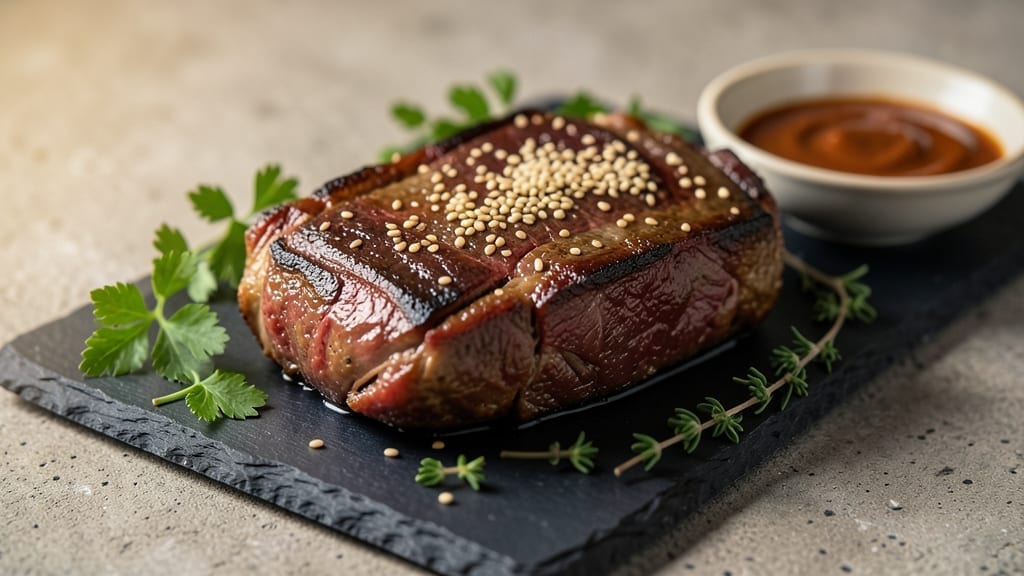
This beef brisket recipe from Tin Eats turns tough cuts into showstopping, fork-tender perfection with a method so foolproof, even beginners will nail it. The day I realized French technique could elevate my rubs changed everything, and this method combines that precision with the soul of slow-smoked tradition.
What sets this apart is the dry brine and the low-and-slow smoke that transforms tough cuts into something extraordinary.
This recipe delivers restaurant-quality results without requiring a commercial smoker. You’ll work with a 3-4 pound brisket, a simple dry rub, and either a traditional smoker, oven, or even a cast-iron skillet for those without access to outdoor cooking.
The key is maintaining a steady 225°F temperature for up to 12 hours, ensuring the meat stays tender and absorbs all those smoky flavors. It’s a method that respects both tradition and modern convenience.
By the time you’re done, you’ll have brisket so tender it practically falls apart at the touch, with a deep, caramelized bark that holds up to every bite.
The aroma alone will have everyone gathering around your table, and the versatility means you can serve it sliced thin for tacos, shredded for sandwiches, or as-is for a showstopping centerpiece. This is the kind of brisket that turns casual meals into memorable experiences.
Whether you’re cooking for a crowd or treating yourself to a Sunday feast, this recipe scales beautifully and delivers consistent results. The sides—crispy potato wedges, tangy coleslaw, or buttery dinner rolls—are just the beginning. Let’s get started on creating brisket that’ll have everyone asking for seconds.
Ingredients for beef brisket recipe tin eats
A 3.5-pound brisket and simple dry rub. Hours of patience yield restaurant-quality results.
| Ingredient | Amount | Notes |
|---|---|---|
| Beef Brisket 🥩 | 3 ½ lb | Flat cut, trimmed of fat |
| Kosher Salt 🧂 | 2 tbsp | Diamond Crystal preferred |
| Black Pepper 🌶️ | 1 tbsp | Freshly ground coarse |
| Garlic Powder 🧄 | 1 tbsp | Not garlic salt |
| Smoked Paprika 🌶️ | 1 tbsp | Sweet or hot variety |
| Brown Sugar 🍚 | 1 tbsp | Packed, light or dark |
| Dried Oregano 🌿 | 1 tsp | Mexican oregano preferred |
| Onion Powder 🧅 | 1 tsp | Fresh ground preferred |
| Chicken Broth 🍲 | 1 cup | Low-sodium preferred |
| Apple Cider Vinegar 🍎 | 1 tbsp | For tenderizing |
| Wood Chips 🌳 | 1 lb | Hickory or oak |
| Butter 🧈 | ¼ cup | Full-fat, for basting |
[recipe_ingredient_scaler]
The brisket cut matters most—flat cut is ideal, but point cut works too if you’re stretching the budget. Butcher shops often have better quality than grocery stores, but pre-trimmed packages from Costco are surprisingly good. Look for good marbling (that white streaks in the meat) and avoid overly fatty sections. I always buy mine from local ranches when possible—it makes all the difference in flavor. The dry brine step is non-negotiable: salt the meat 24 hours ahead and let it sit uncovered in the fridge. This ensures even seasoning and tenderness.
No wood chips? Applewood pellets work in a pinch, though hickory or oak is traditional. Fresh herbs are ideal but dried oregano at half the amount gets you close. Want more smokiness? Add 1 tbsp liquid smoke to the dry rub. Brown sugar can be skipped entirely if you prefer a saltier crust—just reduce the salt slightly. The chicken broth is there to keep the bark moist during cooking, so don’t skip it unless you’re cooking in a smoker with high humidity. For oven cooking, a meat thermometer is a must—no guessing here.
This brisket keeps beautifully for 4-5 days in the fridge, and reheats like a dream in a slow cooker with a splash of broth. For longer storage, wrap tightly in foil and freeze for up to 3 months. I portion mine into containers so lunches are sorted for the week. The bark gets crispier the next day, so don’t rush it. If you’re feeding a crowd, double the dry rub and adjust cooking time—this isn’t the kind of dish to skimp on. The aroma alone is worth the effort, but the first bite? That’s when you know it’s worth it.
Why You’ll Love This Recipe
- I’ll be real: this brisket doesn’t just feed you—it feeds you for days. Four to five days in the fridge, and reheating is a breeze in a slow cooker with a splash of chicken broth. My kids ask for seconds even on a Tuesday night, and I’m not ashamed to admit I’ve taken leftovers to work for lunch.
- No-Fuss Smoking: Honestly, this isn’t one of those recipes where you’re slaving away for hours. Trim the fat, slap on that rub with kosher salt and smoked paprika, and let the smoker do the heavy lifting while you sip a beer. The only active time is the 1-hour room temp rest—trust me, that’s the only prep you’ll actually enjoy.
- Crispy Bark, Creamy Center: That brown sugar and garlic powder combo? It’s like a flavor hug for your taste buds. The bark gets this perfect smoky snap, while the inside stays so tender you’ll want to eat it with a spoon. And the apple cider vinegar in the basting sauce? It cuts through the richness just enough to keep every bite balanced.
- Leftovers That Shame You: I’ll be real: this brisket doesn’t just feed you—it feeds you for days. Four to five days in the fridge, and reheating is a breeze in a slow cooker with a splash of chicken broth. My kids ask for seconds even on a Tuesday night, and I’m not ashamed to admit I’ve taken leftovers to work for lunch.
Step-by-step instructions for slow-smoked brisket
Here’s the foolproof method that delivers melt-in-your-mouth tenderness every time.
Prepare the Brisket and Seasoning
Start by trimming the 3½ lb beef brisket to remove any excess fat, leaving about ¼-inch thickness on the fat cap. This ensures even cooking and prevents grease flare-ups. Pat the meat completely dry with paper towels—moisture is the enemy of crispy bark.
In a small bowl, combine the 2 tbsp kosher salt, 1 tbsp black pepper, 1 tbsp garlic powder, 1 tbsp smoked paprika, 1 tbsp brown sugar, 1 tsp dried oregano, and 1 tsp onion powder. Mix thoroughly to create a well-balanced rub. Apply this generously to all sides of the brisket, pressing firmly so it adheres well. Let the seasoned brisket sit at room temperature for 1 hour before smoking—this allows the rub to penetrate and the meat to cook more evenly.
Set Up the Smoker and Preheat
Soak the 1 lb wood chips (hickory or oak) in water for at least 30 minutes before using. This prevents them from burning too quickly. Fill your smoker’s wood chip tray with the soaked wood chips and preheat to 225°F. You want clean, thin blue smoke—not thick white smoke—indicating the wood is burning properly without excess moisture.
Once the smoker reaches temperature, place the seasoned brisket fat-side up on the grill grate. Position it away from direct heat sources to ensure even cooking. Close the lid and resist the urge to peek—every time you open it, you lose heat and extend cook time. This low-and-slow approach is what creates that signature tender texture.
Smoke Until Probe-Tender
Smoke the brisket undisturbed for 6-8 hours, maintaining a consistent 225°F temperature. The apple cider vinegar and chicken broth will be added later, but for now, focus on the slow cook. You’ll know it’s ready when the internal temperature reaches 165°F—this is when you’ll hit “the stall,” where the temperature stops rising as moisture evaporates.
Here’s the key: when the internal temperature hits 165°F, wrap the brisket tightly in butcher paper (not foil—paper allows the bark to stay crispy while helping push through the stall). Return it to the smoker and continue cooking. This technique, known as the “Texas crutch,” ensures you get tender meat without drying it out. Continue smoking until the internal temperature reaches 200-205°F—this is when a probe should slide in like butter with no resistance.
Rest and Baste for Maximum Flavor
Once probe-tender, remove the brisket from the smoker and let it rest for 1 hour, still wrapped in the butcher paper. This resting period allows the juices to redistribute, ensuring every slice is moist and flavorful. While it rests, prepare the basting mixture: melt the ¼ cup butter in a small saucepan over low heat, then whisk in the 1 cup chicken broth and 1 tbsp apple cider vinegar. Keep this warm until ready to use.
After resting, unwrap the brisket and brush it generously with the butter-broth mixture. This step adds a glossy finish and deepens the flavor. Slice the brisket against the grain into ¼-inch thick pieces—this ensures each bite is tender and easy to chew. Serve immediately, letting guests experience that perfect balance of smoky, tender beef with a crispy exterior.
Pro Tips For Making Beef Brisket Recipe Tin Eats
- Trim the Fat Right: Leave that ¼-inch fat cap—it’s your flavor shield and moisture lock. But go overzealous, and you’ll end up with a dry, flavorless slab. I learned this the hard way after butchering a perfectly good brisket into a tough, lean mess.
- Soak Those Wood Chips: Thirty minutes in water isn’t just a suggestion—it’s the difference between thick white smoke (which chokes your grill) and that clean, blue haze you’re after. Trust me, your brisket will thank you when it’s not fighting through a smoky fog.
- Don’t Fight the Stall: When the temp hits 165°F and flatlines, wrap it in butcher paper—not foil. I know, I know, foil feels like cheating, but paper keeps that bark crisp while still pushing the meat through. This is where the magic happens, not where you panic and crank the heat.
- Rest or Regret: That one-hour rest isn’t optional—it’s when the juices stop pooling in the middle and spread out evenly. Skip it, and you’ll end up with slices that ooze like a sad, overcooked steak. (Yes, even if you’re starving and impatient like me.)
Storing and reheating this beef brisket recipe tin eats
Fridge Storage Secrets
After smoking, let your brisket rest for 1 hour wrapped in butcher paper—this keeps the bark crispy while juices redistribute. Store it in an airtight container (I use Pyrex glass) in the fridge at 40°F or below.
The flavors deepen overnight, so I always make extra for leftovers. ❄️
Slow Cooker Revival
For perfect reheating, place sliced brisket in a slow cooker with ½ cup low-sodium chicken broth per pound of meat. Cook on low for 4 hours or high for 2 hours until heated through. This method keeps the meat moist and restores that smoky aroma.
Oven Crisp-Up Method
Preheat your oven to 300°F and arrange brisket slices on a wire rack over a baking sheet. Drizzle with 1 tbsp melted butter and bake for 10-15 minutes to revive the bark. This works best for sandwiches or tacos where texture matters most.
Freezer Preservation
Wrap the entire cooked brisket tightly in two layers of foil plus plastic wrap, then store in a freezer bag. Label with the date—it keeps well for up to 3 months. Thaw overnight in the fridge for best results, then reheat using the slow cooker method above.
Portioning Pro Tips
Slice brisket against the grain before freezing into meal-sized portions. I use quart-sized freezer bags for easy grab-and-go lunches. The bark stays crispier when reheated this way, and you avoid defrosting the whole brisket at once.
Nutrition facts
Frequently asked questions
Why does the recipe call for a dry brine instead of just seasoning the brisket right before cooking?
The 24-hour dry brine is key for even seasoning and tenderness. It allows the kosher salt to penetrate deeply, breaking down muscle fibers while keeping the meat moist. This step transforms tough brisket into melt-in-your-mouth perfection—no shortcuts here!
Can I use applewood pellets instead of hickory or oak wood chips?
Yes! Applewood pellets work beautifully and add a subtle sweetness to the smoke. Just soak them in water for 30 minutes first to avoid burning. Hickory or oak is traditional, but applewood pairs wonderfully with the garlic powder and smoked paprika in this recipe.
What if I don’t have a smoker—can I still make this brisket?
Use your oven set to 225°F with a foil pan of water on the bottom rack for humidity. Place the brisket on a wire rack over another pan to catch drippings. It’ll take 10-12 hours total, but the results are just as tender.
Why wrap the brisket in butcher paper instead of foil?
Butcher paper lets the bark stay crispy while trapping steam to push through “the stall.” Foil would soften the exterior, losing that prized texture. Trust the process—this “Texas crutch” technique is what separates good brisket from great brisket.
How do I know when the brisket is done if I don’t have a meat thermometer?
Poke the thickest part with a fork—when it feels like warm butter and the juices run clear, it’s ready. The internal temp should reach 200-205°F, but if you’re guessing, err on the side of slightly underdone. The resting time will finish the cooking.

Trained in classic French technique but raised on slow-cooked ribs and spicy rubs, she blends culinary skill with smoke and soul.
- Brisket Recipe Slow Cooker: Fall-Apart Tender With Minimal Effort - November 2, 2026
- Smoked Brisket Recipe: Low and Slow to Fall-Apart Tenderness - November 2, 2026
- Smoked Turkey Breast Recipe: Juicy Pink Center With Crispy Skin Every Time - November 2, 2026