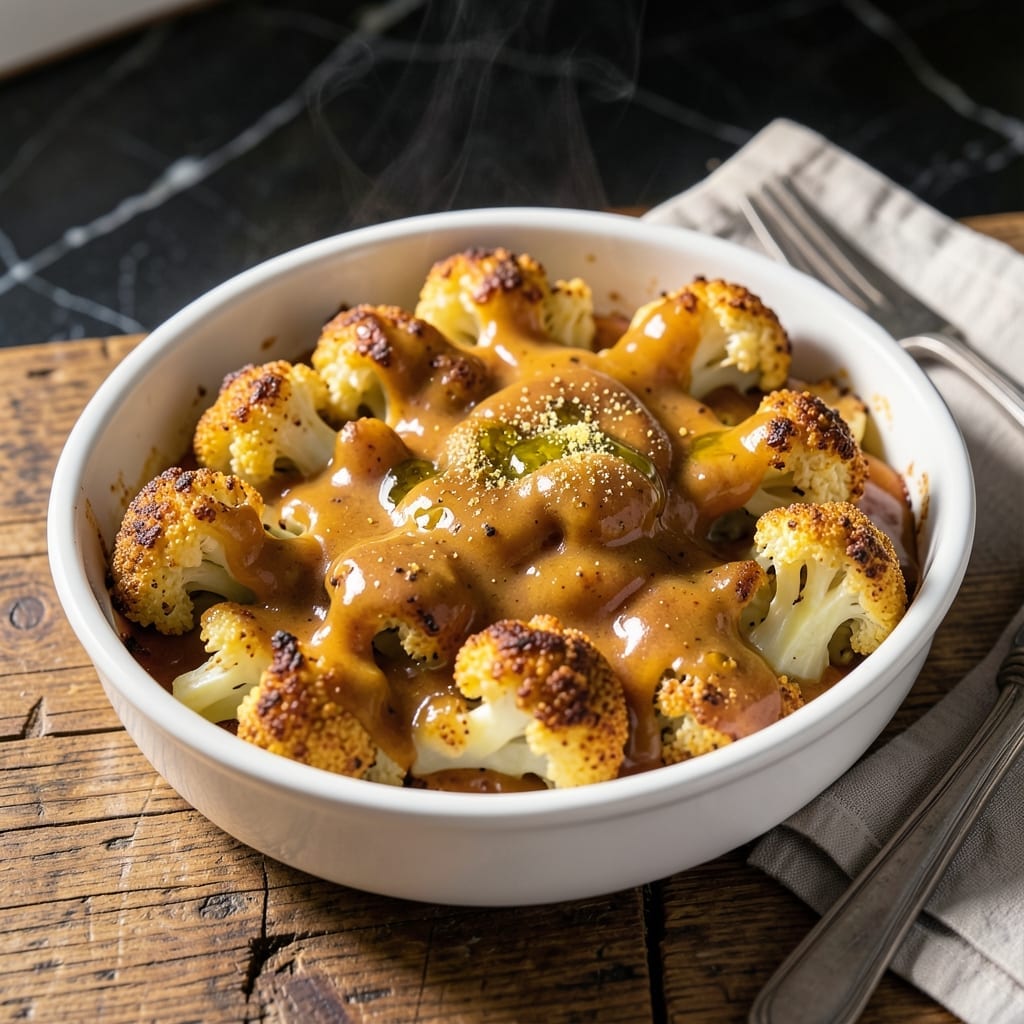
This cheese sauce transforms cauliflower into a rich, indulgent dish with minimal effort. The secret lies in a precise ratio of sharp cheddar and creamy textures.
You’ll achieve an ultra-smooth melt that clings perfectly to every floret. No lumps, no separation—just velvety, restaurant-quality results every time.
Ingredients for Cheese Sauce Recipe for Cauliflower Cheese
Nine ingredients deliver that ultra-smooth, clingy cheese sauce you crave.
| Ingredient | Amount | Notes |
|---|---|---|
| Unsalted Butter 🧈 | 3 tbsp | For roux base |
| All-Purpose Flour 🌾 | 3 tbsp | Creates smooth roux |
| Whole Milk 🥛 | 2 cups | Full-fat for creaminess |
| Sharp Cheddar Cheese 🧀 | 8 oz | Freshly grated for best melt |
| Gruyère Cheese 🧀 | 4 oz | Adds nutty depth |
| Dijon Mustard 🟡 | 1 tsp | Balances richness |
| Worcestershire Sauce 🫒 | 1 tsp | Vegetarian version required |
| Garlic Powder 🧄 | ½ tsp | Enhances savory notes |
| Ground Nutmeg 🌰 | ¼ tsp | Subtle warmth |
| Salt 🧂 | ½ tsp | Adjust to taste |
[recipe_ingredient_scaler]
The cheddar is non-negotiable—sharp white cheddar from Cabot or Tillamook gives that perfect tang and melt. Gruyère adds complexity (don’t skip it), but fontina or Monterey Jack work in a pinch. Pre-shredded cheese has anti-caking agents that ruin the texture, so block cheese grated fresh is the only way. I grab mine at Whole Foods where they have good turnover on their cheese selection.
No Gruyère? Pepper Jack adds nice kick. Milk can be 2% in a bind (but whole is ideal). For the roux, equal parts butter and flour by weight works if you’re scaling up. The Dijon mustard might seem odd but it cuts through the richness—trust me. If you’re avoiding alcohol, check your Worcestershire is vegetarian (Annie’s makes a good one).
Sauce thickens as it cools, so make it 10 minutes before serving. Keeps 3-4 days in the fridge—reheat gently with a splash of milk. Freezes beautifully for up to 3 months (thaw overnight in fridge).
Why You’ll Love This Recipe
- One Pot Wonder: That buttery roux with flour, then slowly whisking in whole milk—it’s foolproof even when I’m distracted by the kids.
- Rich & Nutty: Sharp cheddar plus gruyère? Honestly, it’s the only combo that makes my cauliflower disappear from the plate.
- Feeds a Crowd: I double the sauce, toss in extra veggies, and suddenly it’s a full meal for picky eaters and adults alike.
- Leftovers? Yes Please: Between us, it thickens overnight into an even dreamier topping for baked potatoes the next day.
Step-by-Step Instructions for Cheese Sauce for Cauliflower Cheese
This method delivers a velvety, lump-free sauce that clings beautifully to every floret.
Step 1: Create a Perfect Roux Base
Melt the 3 tbsp Unsalted Butter in a heavy-bottomed saucepan over medium heat. You want it to foam up but not brown—this takes about 2 minutes. The butter should smell nutty but not burnt.
Add the 3 tbsp All-Purpose Flour all at once and whisk constantly for 2-3 minutes until the mixture turns a pale golden color and smells slightly toasted. This roux is your sauce’s foundation—cooking it properly removes the raw flour taste and ensures a smooth, thick consistency.
Step 2: Gradually Incorporate the Milk
Slowly pour in the 2 cups Whole Milk, about ¼ cup at a time, whisking vigorously after each addition until smooth. This gradual process prevents lumps from forming. The mixture will thicken noticeably as you add more milk.
Once all the milk is incorporated, continue cooking and whisking for 3-4 minutes until the sauce thickens enough to coat the back of a spoon. You should see it leave a clear path when you run your finger through it on the spoon.
Step 3: Melt in the Cheeses and Seasonings
Reduce heat to low and add the 8 oz Sharp Cheddar Cheese and 4 oz Gruyère Cheese a handful at a time, whisking until completely melted before adding more. This staged addition ensures an ultra-smooth texture.
Stir in the 1 tsp Dijon Mustard, 1 tsp Worcestershire Sauce, 0.5 tsp Garlic Powder, 0.25 tsp Ground Nutmeg, and 0.5 tsp Salt. The mustard and Worcestershire add depth, while the nutmeg provides a subtle warmth that enhances the cheese flavors without overpowering them.
Step 4: Adjust Consistency and Serve
If the sauce seems too thick, whisk in a splash of warm milk to reach your desired consistency. For cauliflower cheese, you want it thick enough to cling but still pourable.
Taste and adjust seasoning if needed—remember that the cheeses contribute saltiness, so go easy on additional salt. Use immediately while hot for the best texture, as the sauce will thicken slightly as it cools. Pour over steamed cauliflower and broil briefly for a golden, bubbly finish.
Pro Tips For Making Cheese Sauce Recipe For Cauliflower Cheese
- Cook the Roux Longer: Let the butter-flour mixture cook for a full 2-3 minutes over medium heat until it turns a pale golden color—I learned this the hard way after my early sauces tasted like raw flour.
- Grate Your Cheese Fresh: Skip pre-shredded cheese; it’s coated in anti-caking agents that make the sauce grainy. Sharp cheddar and Gruyère melt beautifully when freshly grated.
- Add Milk Slowly: Pour the milk in gradually, whisking constantly to avoid lumps. After burning one batch from dumping it all at once, I now add it in 3-4 stages.
- Temper the Cheese: Remove the sauce from heat before adding the cheese, then stir until melted off the heat. This prevents the cheddar and Gruyère from turning stringy or splitting.
Perfect Pairings for This Recipe
Side Dishes
Elevate your cauliflower cheese with classic pairings that balance richness. A crisp green salad with a tangy vinaigrette cuts through the creamy sauce, while roasted Brussels sprouts add a caramelized, earthy contrast. For heartier meals, serve with garlic bread or buttery mashed potatoes to soak up every cheesy bite.
Drink Pairings
Complement the dish with a refreshing Sauvignon Blanc or a light Pinot Noir to cleanse the palate. Non-alcoholic options like sparkling water with lemon or a crisp apple cider work beautifully too. For beer lovers, a pale ale offers a hoppy balance to the creamy cheese.
Complementary Flavors
Boost flavor with additions like crispy bacon bits or a sprinkle of smoked paprika for depth. Fresh herbs like chives or parsley add brightness, while a dash of hot sauce or Dijon mustard introduces a zesty kick. These small touches take your dish to the next level.
Nutrition Facts

Trained in classic French technique but raised on slow-cooked ribs and spicy rubs, she blends culinary skill with smoke and soul.
- Recipe for Fried Pork Chops With Flour: Crispy Crust and Juicy Centers - October 3, 2026
- Octopus Recipe Pan Fried: Crispy Edges With Tender Bites - October 3, 2026
- Recipe For Fried Pork Chops In An Iron Skillet: Crispy Crust With Juicy Centers - October 3, 2026