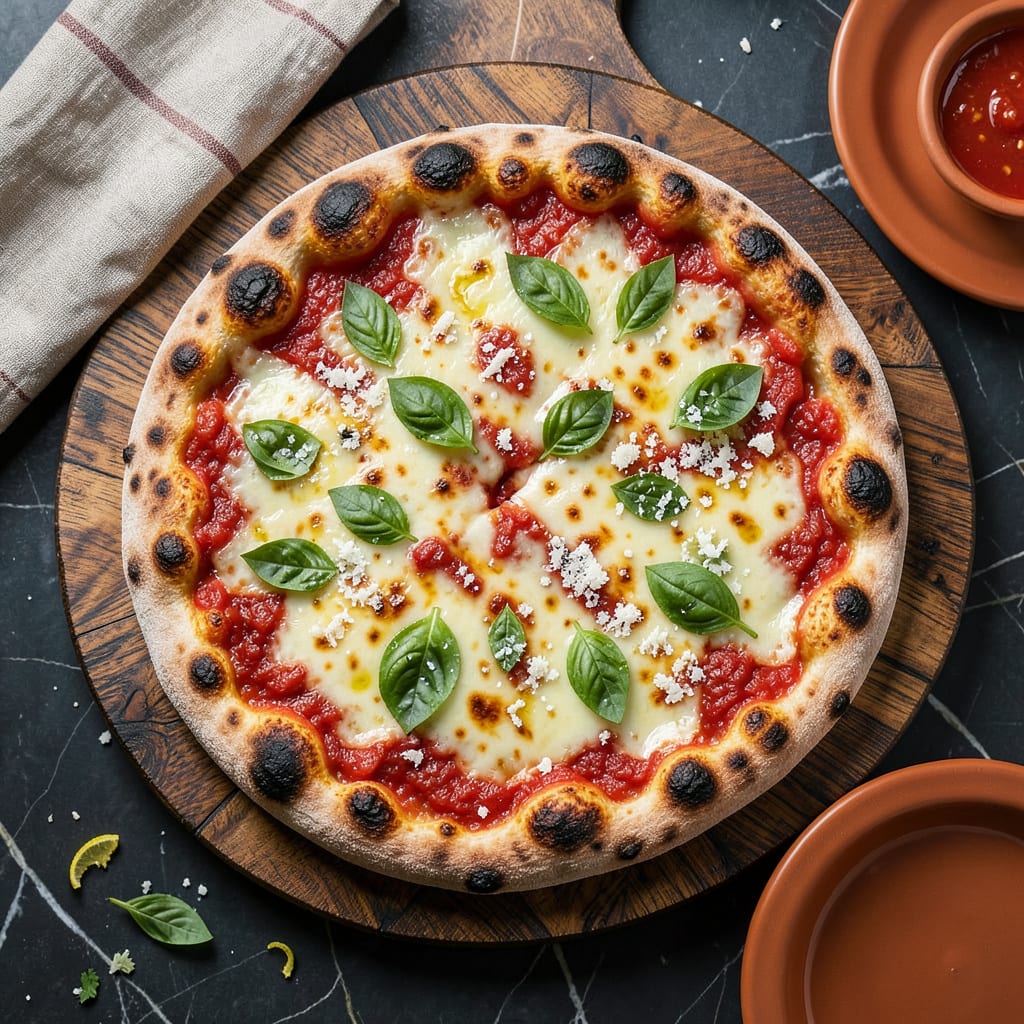
I’ll be real with you—this pizza flips everything you know about cheese and sauce upside down. Literally. The first time I tried baking cheese directly on the dough before adding sauce, I thought it was some kind of mistake. But that first bite changed my pizza game forever. There’s something magical about that hidden layer of melty, caramelized cheese that stays perfectly gooey under the tangy tomato sauce.
This isn’t just another pizza recipe. The cheese-under-sauce method creates a completely different texture experience—crispy, golden cheese edges where it meets the crust, with a creamy, stretchy center that stays protected by the sauce. I’ve made this for skeptical friends who now demand it every pizza night. And the best part? It’s actually easier than traditional pizza because the sauce helps prevent the cheese from burning.
You’ll start with simple pizza dough (homemade or store-bought, no judgment), then layer shredded cheese directly on the raw dough before adding your sauce. The baking process transforms that cheese into something extraordinary—almost like a cheesy crust that merges with the dough while staying perfectly melted underneath. When you cut into it, you get that satisfying cheese pull with every slice.
Perfect for vegetarians (just check your cheese for rennet), this pizza works with any toppings you love. The method is foolproof, and the results are anything but ordinary. Let’s get that oven hot and make some pizza magic happen.
📚 In This Guide
- What You’ll Need
- Instructions
- Tips and Common Mistakes
What Youll Need
- ● Pizza dough: 1 lb (16 oz) store-bought or homemade, room temperature 🍕
- ● Shredded mozzarella cheese: 2 cups (8 oz) – low-moisture for best melt
- ● Pizza sauce: 1 cup (8 oz) – marinara or classic tomato sauce
- ● Olive oil: 1 tbsp – for dough stretching and crispiness
- ● Cornmeal or flour: ¼ cup – for dusting the peel or pan
- ● Pepperoni: ½ cup (2 oz) – thinly sliced
- ● Fresh basil: 5-6 leaves – torn after baking
- ● Parmesan cheese: ¼ cup (1 oz) – grated for finishing
- ● Red pepper flakes: ½ tsp – for a spicy kick
- ● Pizza peel or baking sheet
- ● Rolling pin (if hand-stretching isn’t your thing)
- ● Pizza stone or baking steel (for extra crispiness)
- ● Pastry brush (for olive oil)
Step-by-Step Instructions for Cheese-Under-Sauce Pizza
Here’s how to build this pizza with the perfect hidden cheese layer—it’s easier than you think.
Prepare Your Dough and Preheat the Oven
Start by preheating your oven to 500°F with a pizza stone or baking sheet inside. This high heat is crucial for getting that perfect crispy crust while ensuring the cheese underneath melts beautifully. I recommend giving it at least 30 minutes to fully heat up—this mimics the intense heat of a pizza oven.
While the oven heats, stretch out your pizza dough on a piece of parchment paper. Aim for about 12 inches in diameter, keeping the edges slightly thicker for that classic crust. If the dough resists stretching, let it rest for 5 minutes—this relaxes the gluten and makes it more cooperative.
Create the Hidden Cheese Layer
Here’s where the magic happens. Sprinkle a generous layer of shredded cheese directly onto the stretched dough, leaving about ½ inch of bare dough around the edges for the crust. I like to use a mix of low-moisture mozzarella and sharp cheddar for the best melt and flavor combination.
Distribute the cheese evenly—this ensures every bite has that gooey surprise. Don’t skimp here; you want enough cheese to create a substantial layer, but not so much that it overflows when it melts. A good rule of thumb is about 1½ cups of shredded cheese for a 12-inch pizza.
Add the Sauce and Toppings
Now carefully spread your pizza sauce over the cheese layer. Use the back of a spoon to create an even layer, leaving that ½-inch border clear. The sauce should be thick enough to stay put—if it’s too runny, it might soak through the cheese and make the crust soggy.
Add your favorite toppings over the sauce. For this style of pizza, I recommend keeping toppings on the lighter side so they don’t overpower the hidden cheese layer. Classic choices like pepperoni, mushrooms, or bell peppers work beautifully. Remember, the toppings will cook directly on the sauce, not the cheese, so they’ll have great flavor contact.
Bake to Perfection
Slide your pizza (with the parchment) onto the preheated stone or baking sheet in the oven. Bake for 10-12 minutes, watching closely after the 8-minute mark. You’re looking for a golden-brown crust and for the cheese to bubble up around the edges—this is your visual cue that the hidden layer is perfectly melted.
The pizza is done when the crust is crisp and the sauce is lightly bubbling. If the top isn’t browning enough but the bottom is cooking quickly, you can switch to broil for the last 1-2 minutes—just keep a close eye on it to prevent burning. The parchment paper makes it easy to slide the pizza out when it’s ready.
Rest and Serve
Let the pizza rest for 2-3 minutes before slicing. This brief rest allows the cheese to set slightly, preventing it from all running out when you cut into it. You’ll notice the cheese layer stays beautifully hidden until that first slice reveals the melty surprise underneath.
Slice with a sharp pizza wheel or knife, and serve immediately. The contrast between the crispy crust, flavorful sauce and toppings, and that hidden layer of melted cheese in every bite is what makes this pizza so special. I like to serve it with a simple green salad to balance the richness.
Tips and Common Mistakes
Here’s what I’ve learned from making this pizza dozens of times—small details that make a big difference.
Heat is Everything: That 500°F oven temperature isn’t just a suggestion—it’s critical for getting the crust crisp while perfectly melting the hidden cheese layer. I’ve found that giving the pizza stone the full 30 minutes to preheat makes all the difference. If your oven runs hot, check the pizza at the 8-minute mark instead of waiting the full 10-12 minutes. The edges of the cheese should just start bubbling—this is your visual cue that the hidden layer is melting beautifully underneath.
Cheese Distribution: When you’re adding that 1½ cups of shredded cheese in Step 2, take an extra moment to spread it evenly all the way to that ½-inch border. I use a mix of low-moisture mozzarella and sharp cheddar because the mozzarella gives that perfect stretch while the cheddar adds depth of flavor. Don’t pack the cheese too tightly—you want it to melt into an even layer, not clump together.
Sauce Consistency: The thickness of your sauce in Step 3 directly affects the final result. If it’s too runny, it’ll seep through the cheese and make the crust soggy. I like to cook my sauce down until it’s thick enough to coat the back of a spoon. When spreading it over the cheese, use gentle pressure—you don’t want to disturb that carefully placed cheese layer underneath.
Resting Matters: Those 2-3 minutes of resting time in Step 5 might seem unnecessary when you’re hungry, but they’re crucial. The hidden cheese needs this brief time to set slightly so it doesn’t all rush out when you cut into the pizza. I’ve ruined more than one pizza by skipping this step—trust me, the wait is worth it for that perfect first slice reveal.
Pro Tips for Cheese Under Sauce Pizza
- Here’s what I’ve learned from making this pizza dozens of times—small details that make a big difference.
- Heat is Everything: That 500°F oven temperature isn’t just a suggestion—it’s critical for getting the crust crisp whi…
- Cheese Distribution: When you’re adding that 1½ cups of shredded cheese in Step 2, take an extra moment to spread it …
Frequently Asked Questions
Got questions about the cheese-under-sauce pizza method? You’re not alone! Here are the most common curiosities—and answers—to help you master this delicious twist.
Does putting cheese under the sauce make the pizza soggy?
Not if you prep right! Pre-bake the crust for 3-5 minutes before adding cheese and sauce to create a moisture barrier. Use a thin sauce layer and avoid overloading toppings. Pro tip: Pat dry any veggies or meats to keep things crisp.
What’s the best cheese for this method?
Low-moisture mozzarella is the gold standard—it melts smoothly without releasing excess water. Mix in a bit of provolone or fontina for extra creaminess. Avoid fresh mozzarella (too wet) or pre-shredded cheese (contains anti-caking agents).
Can I use store-bought pizza sauce, or should I make my own?
Both work! Store-bought sauce saves time—just pick a thicker, low-sugar brand (like Rao’s). For homemade, simmer crushed tomatoes with garlic, oregano, and a pinch of salt until reduced. Avoid watery sauces—they’ll drown your cheese layer.
Why isn’t my cheese melting properly under the sauce?
Three likely culprits: 1) Not enough heat—bake at 475°F+ (245°C+), 2) too much sauce blocking heat, or 3) cheese shreds too thick. Try grating cheese finely and spreading sauce very thinly. A pizza stone or steel helps too!
What are good toppings for cheese-under-sauce pizza?
Stick to dry or pre-cooked toppings to avoid sogginess:
- Cured meats (pepperoni, prosciutto—add after baking if delicate)
- Roasted veggies (mushrooms, bell peppers, onions)
- Fresh basil or arugula (add post-bake)
- Spicy honey or chili flakes for a finisher
Whether you’re a pizza purist or an adventurous foodie, cheese-under-sauce pizza delivers a game-changing twist on a classic favorite. 🍕 That hidden layer of gooey, perfectly melted cheese—protected by tangy sauce—creates a flavor and texture combo that’s worth the experiment. Next time you’re craving pizza, skip the takeout menu and try baking one at home! Grab your ingredients, preheat that oven, and let the cheesy surprise unfold bite by bite. Who knows? This might just become your new signature dish. 😉

Trained in classic French technique but raised on slow-cooked ribs and spicy rubs, she blends culinary skill with smoke and soul.
- Recipe for Boneless Pork Chops in Cast Iron Skillet: Sear and Baste to Juicy Perfection - October 3, 2026
- Recipe for Boneless Cross Rib Roast: Slow-Roasted Beef with Herb Crust - October 3, 2026
- Hamburgers in Sauce Recipe Crock Pot: Slow-Cooked Savory Delight - October 3, 2026