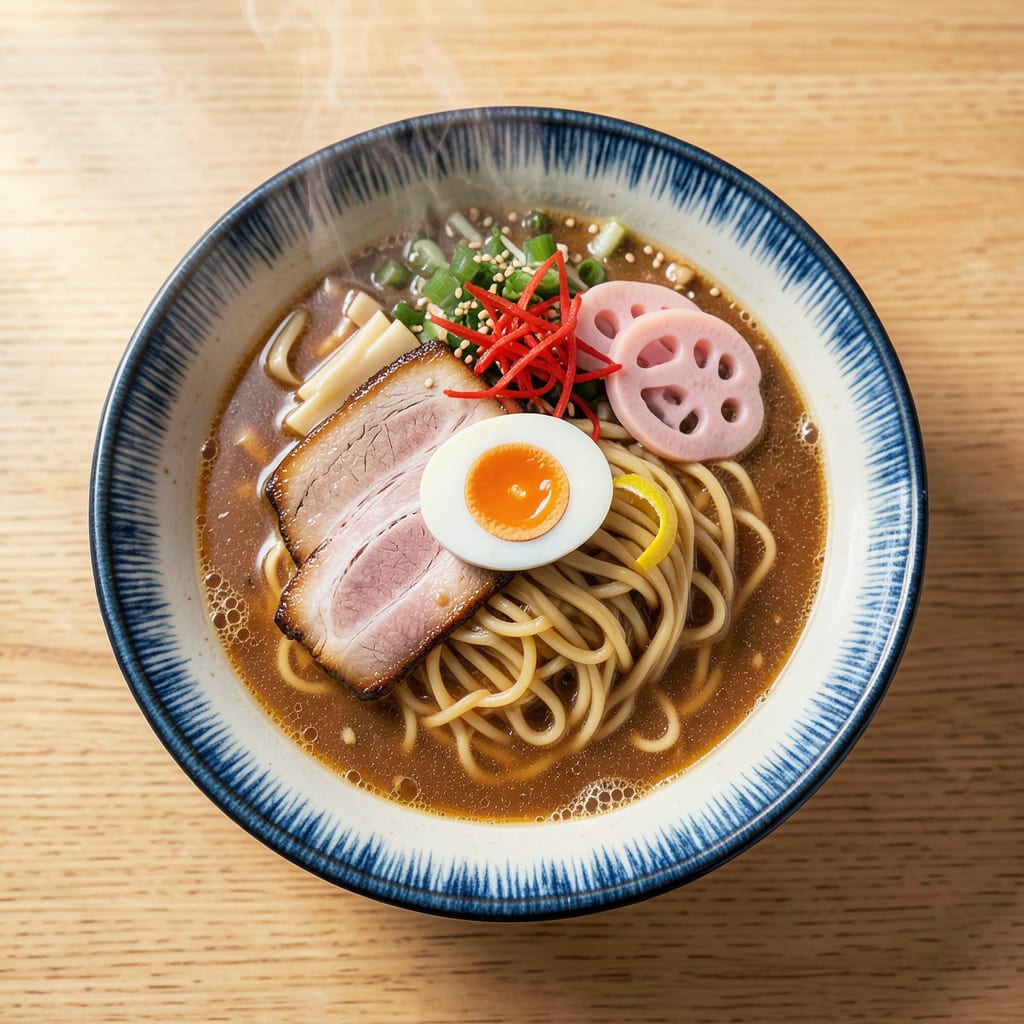
Chi Chi ramen is a rich, creamy Japanese-style noodle dish featuring a spicy peanut-chili broth, tender chicken, and chewy ramen noodles. The signature flavor comes from blending peanut butter, chili oil, and aromatic spices for a satisfying, umami-packed meal.
This dish beautifully marries Southeast Asian influences with Japanese comfort food traditions. 🔥 The peanut-chili base creates a complex flavor profile that’s both warming and deeply satisfying, while the chewy noodles provide the perfect textural contrast. I love how the dish balances heat with creamy richness—it’s the kind of meal that feels indulgent yet remains surprisingly approachable for home cooks. The secret lies in layering flavors during preparation, from toasting the spices to properly emulsifying the peanut butter into the broth.
💡 In This Article
- Key Ingredients That Define Chi Chi Ramen Flavor
- Step-by-Step Cooking Tips for Perfect Chi Chi Ramen
Key Ingredients That Define Chi Chi Ramen Flavor
The magic of this dish starts with creamy peanut butter—but not just any kind. I recommend using natural, unsweetened peanut butter (about ½ cup for 4 servings) because it emulsifies better with the broth without adding sugar. The peanut butter’s natural oils create a velvety texture while its roasted nuttiness forms the flavor foundation.
When combined with 2-3 tablespoons of chili oil, you get that signature heat that lingers pleasantly rather than overwhelming the palate.
The umami depth comes from a trio of powerhouse ingredients: soy sauce (for saltiness), miso paste (for fermented complexity), and fish sauce (for that elusive savory punch). I use 1 tablespoon each in my base recipe, but you can adjust the fish sauce to taste—it’s potent!
The aromatic backbone of 4 garlic cloves and 1-inch ginger (both minced) gets bloom in oil first, which transforms their raw bite into golden, fragrant richness. This step is non-negotiable for authentic flavor.
Here’s what most recipes don’t tell you: the broth’s consistency depends on proper emulsification. When you whisk the peanut butter into the hot liquid, you’re creating a temporary emulsion that can separate if not stabilized. A splash of rice vinegar (1 tablespoon) helps maintain the creamy texture while adding subtle brightness.
Traditional versions might use tahini instead of peanut butter, which gives a more sesame-forward profile, while modern takes sometimes incorporate coconut milk for extra creaminess.
The protein component matters more than you think. While chicken thighs (about 1 lb) are standard for their juiciness, I’ve experimented with tofu (extra-firm, pressed) and even shrimp for seafood lovers. Each protein interacts differently with the broth—chicken absorbs flavors, tofu provides contrast, and shrimp adds its own sweetness.
The noodles should be al dente ramen (cooked 2 minutes less than package instructions) so they hold up in the rich broth without turning mushy.
Don’t underestimate the garnishes—they’re not just pretty toppers. Fresh cilantro and green onions cut through the richness, while lime wedges provide that crucial acidic balance. Crushed peanuts add textural contrast, and if you’re feeling fancy, a drizzle of sesame oil right before serving enhances the nutty aroma.
The combination of these elements creates that perfect harmony of spicy, nutty, and savory that makes Chi Chi ramen so addictive. 🌟
For those watching their heat levels, you can control the spice by adjusting the chili oil quantity or using gochujang (Korean chili paste) instead—it brings heat plus sweetness.
The beauty of this dish lies in its adaptability: you can make it gluten-free with tamari, vegan with mushroom broth, or extra decadent with a swirl of chili crisp at the end. Each variation maintains that core identity of creamy, spicy comfort in a bowl.

Trained in classic French technique but raised on slow-cooked ribs and spicy rubs, she blends culinary skill with smoke and soul.
- Recipe for Boneless Pork Chops in Cast Iron Skillet: Sear and Baste to Juicy Perfection - October 3, 2026
- Recipe for Boneless Cross Rib Roast: Slow-Roasted Beef with Herb Crust - October 3, 2026
- Hamburgers in Sauce Recipe Crock Pot: Slow-Cooked Savory Delight - October 3, 2026