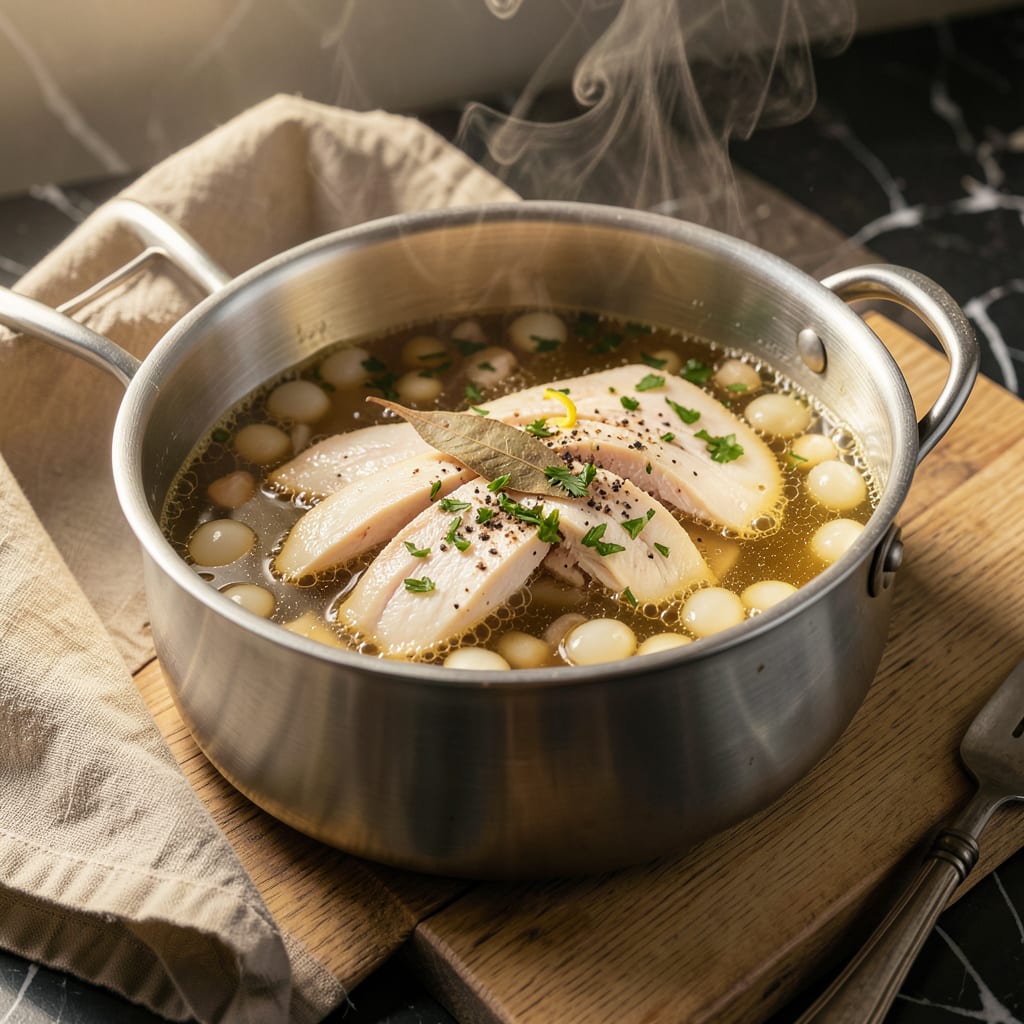
There’s nothing like homemade broth to transform your cooking—except when you need it fast. I’ve been making broth from chicken bouillon for years, and let me tell you, it’s the ultimate shortcut that doesn’t skimp on flavor. No bones, no hours of simmering, just rich, aromatic broth ready in 15 minutes.
Here’s the thing—most people think bouillon broth tastes artificial or overly salty. But with a few simple tweaks (like adding fresh herbs and a splash of acid), you can create something that rivals homemade stock. I use this method when I’m short on time but refuse to compromise on taste.
What you’ll get is a versatile broth that works in everything from soups to risotto. It’s got depth, body, and that homemade quality without the wait. The secret? Blooming the bouillon in hot water with aromatics before simmering—game changer.
Whether you’re making a quick weeknight soup or need a flavor boost for grains, this method delivers. And yes, it’s foolproof—even when I’m distracted by the smell of something else cooking. Let’s get that pot simmering!
📚 In This Guide
- What You’ll Need
- Instructions
- Tips and Common Mistakes
What Youll Need
- ● Required: 1–2 chicken bouillon cubes (or 1–2 tsp bouillon powder per cup of water; check package instructions). Opt for low-sodium if preferred.
- ● 4 cups (32 oz) water (filtered for best taste). Adjust for desired broth strength.
- ● Medium saucepan (2–3 quart capacity) with a lid.
- ● Wooden spoon or whisk for stirring.
- ● Fine-mesh strainer (if adding aromatics like herbs or veggies).
- ○ Optional (for extra depth): 1 small carrot, chopped (peeled or unpeeled).
- ● 1 celery stalk, roughly chopped.
- ● 1 small yellow onion, quartered (skin on for color).
- ● 2 garlic cloves, smashed (or ½ tsp garlic powder).
- ● 1 bay leaf or sprig of fresh thyme.
- ● ½ tsp black peppercorns (whole or cracked).
- ● 1 tbsp apple cider vinegar or lemon juice (brightens flavor).
Instructions
Here’s how to transform simple bouillon into rich, homemade-style broth with depth of flavor.
Select Your Bouillon Base
Start by choosing high-quality chicken bouillon cubes, granules, or paste. I always recommend looking for options with minimal additives and no MSG if you’re sensitive to it. The better your bouillon base, the richer your final broth will taste.
For this process, you’ll want about 1 cube or 1 teaspoon of granules/paste per cup of water as a starting point. Different brands vary in intensity, so you may need to adjust slightly. The key is finding that perfect balance where the flavor is robust but not overwhelmingly salty.
Build Your Flavor Foundation
In a large pot, bring your water to a gentle boil. I like to use 4 cups of water for a standard batch that serves four. As the water heats, add your bouillon and stir until completely dissolved. This creates your flavor base.
Now here’s where we elevate it: add 1 small onion (quartered), 2 carrots (roughly chopped), 2 celery stalks (cut into chunks), and 3 garlic cloves (smashed). These aromatic vegetables will simmer with the bouillon, adding natural sweetness and complexity that makes it taste truly homemade.
Simmer for Depth of Flavor
Reduce the heat to low and let the broth simmer gently for 20-30 minutes. You want to see small bubbles breaking the surface occasionally, not a rolling boil. This gentle simmer allows the flavors to meld together beautifully.
As it cooks, you’ll notice the color deepening and the aroma becoming more complex. The vegetables will soften and release their natural flavors into the broth. Skim off any foam that rises to the surface with a spoon – this keeps your broth clear and clean-tasting.
Strain and Finish
After simmering, remove the pot from heat and let it sit for 5 minutes to allow the vegetables to settle. Place a fine-mesh strainer over a large bowl or another pot and carefully pour the broth through to remove all solids.
At this point, taste your broth and adjust the seasoning if needed. I often add a pinch of black pepper or a splash of lemon juice to brighten the flavors. Your broth should taste rich and well-balanced, with a depth that belies its simple origins.
Use or Store Your Homemade-Style Broth
Use your broth immediately in soups, stews, or anywhere a recipe calls for chicken broth. If storing, let it cool completely before transferring to airtight containers. It will keep in the refrigerator for 4-5 days or can be frozen for up to 3 months.
When reheating, bring it to a gentle simmer rather than a boil to preserve the delicate flavors you’ve developed. This homemade-style broth will add incredible depth to all your cooking, and no one will believe it started with simple bouillon!
Tips and Common Mistakes
Let me share what I’ve learned from making this broth dozens of times—small details that make a big difference.
The Bouillon Base: In Step 1, take your time selecting the bouillon. I’ve found that paste gives the most consistent flavor, while cubes can sometimes be saltier. If using granules, dissolve them completely in a small amount of hot water before adding to the pot—this prevents grainy texture in your finished broth. The 1 cube or 1 teaspoon per cup ratio is perfect for most brands, but I always taste the dissolved base before adding vegetables to adjust salt levels.
Simmering Technique: During Step 3, maintaining that gentle simmer for 20-30 minutes is crucial. You want to see just a few bubbles breaking the surface—this slow process extracts maximum flavor without making the broth cloudy. If your stove runs hot, use a flame tamer or partially cover the pot to maintain the right temperature. I like to set a timer for 20 minutes, then taste and decide if it needs the full 30 minutes for deeper flavor.
Straining Secret: When you reach Step 4, don’t rush the 5-minute resting time. This allows all the vegetable particles to settle, making straining much cleaner. I use a fine-mesh strainer lined with cheesecloth for the clearest broth, pressing gently on the vegetables to extract every bit of flavor. The foam you skimmed off earlier would have made your broth bitter, so that step really pays off in the final taste.
Storage Wisdom: For the best results when storing as mentioned in Step 5, divide your broth into 1-cup portions before freezing. This makes it easy to grab exactly what you need for recipes later. I’ve found that glass jars work best in the fridge (they keep flavors pure), while silicone ice cube trays are perfect for freezing small amounts for quick cooking.
Pro Tips for Chicken Bouillon To Make Broth
- Let me share what I’ve learned from making this broth dozens of times—small details that make a big difference.
- The Bouillon Base: In Step 1, take your time selecting the bouillon. I’ve found that paste gives the most consistent …
- Simmering Technique: During Step 3, maintaining that gentle simmer for 20-30 minutes is crucial. You want to see just…
Frequently Asked Questions
Can I use chicken bouillon cubes instead of powder to make broth?
Bouillon cubes work just like powder—simply dissolve 1 cube per cup of hot water. Stir well to avoid clumps, and adjust to taste. Cubes often contain more salt, so taste before adding extra seasoning.
How long does homemade bouillon broth last in the fridge?
Store your broth in an airtight container for 4–5 days in the fridge. For longer storage, freeze it for up to 3 months. Label containers with dates to track freshness!
What’s the best chicken bouillon-to-water ratio for a balanced broth?
Start with 1 teaspoon powder (or 1 cube) per 1 cup of water. For a stronger flavor, add another ½ teaspoon. Pro tip: Use warm water to dissolve bouillon faster and more evenly.
Are there low-sodium alternatives to regular chicken bouillon?
Yes! Look for low-sodium bouillon or no-salt-added versions (like Knorr or Herb-Ox). You can also dilute regular bouillon with extra water or boost flavor with herbs (thyme, bay leaves) instead of salt.
Why does my bouillon broth taste too salty or artificial?
Overdoing bouillon is the usual culprit! Fix it by adding more water, a splash of lemon juice (), or unsalted chicken stock. For a fresher taste, simmer with veggies (carrots, celery) or a pinch of sugar to balance flavors.
With chicken bouillon, you’ve unlocked the secret to rich, homemade broth without the long simmer time! 🍲 Whether you’re whipping up a quick soup, degreasing a pan, or adding depth to grains, this shortcut delivers big flavor with minimal effort. Now that you’ve mastered the basics, experiment with herbs, veggies, or a splash of acid (like lemon juice) to make it your own.
Ready to put your broth to work? Try it in a cozy chicken noodle soup or use it to cook rice for an instant flavor boost. Happy cooking—your taste buds will thank you! 😊

Trained in classic French technique but raised on slow-cooked ribs and spicy rubs, she blends culinary skill with smoke and soul.
- Recipe for Boneless Pork Chops in Cast Iron Skillet: Sear and Baste to Juicy Perfection - October 3, 2026
- Recipe for Boneless Cross Rib Roast: Slow-Roasted Beef with Herb Crust - October 3, 2026
- Hamburgers in Sauce Recipe Crock Pot: Slow-Cooked Savory Delight - October 3, 2026