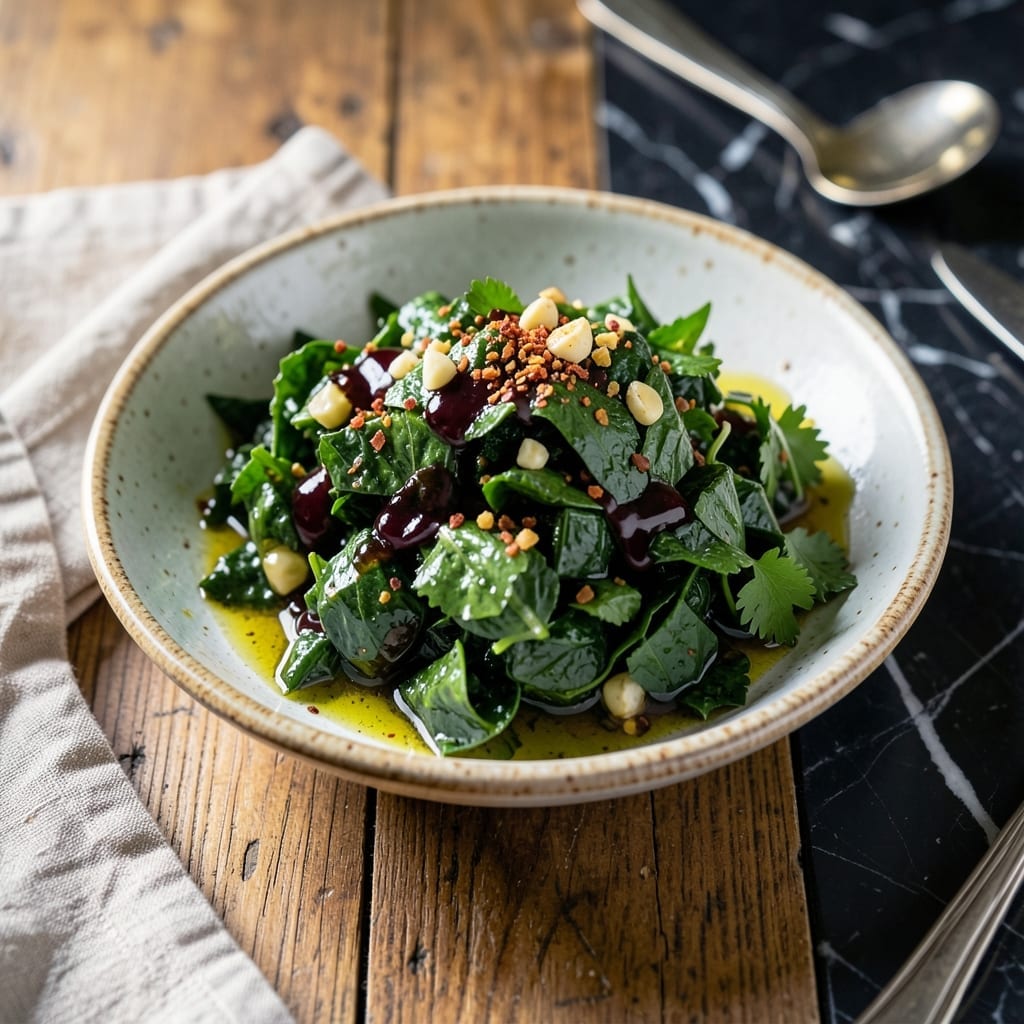
This vibrant Argentine chimichurri delivers bold, fresh flavors with every spoonful. The combination of parsley, garlic, and red wine vinegar creates a sauce that’s both tangy and herbaceous.
Perfect for grilled meats or as a marinade, this no-cook recipe comes together in minutes. Store in the fridge for up to a week to let the flavors meld even more.
Ingredients for Chimichurri Recipe Red Wine Vinegar
Nine vibrant ingredients create this bold, no-cook Argentine sauce in minutes.
| Ingredient | Amount | Notes |
|---|---|---|
| Fresh Flat-Leaf Parsley 🌿 | 1 ½ cups | Packed, stems removed |
| Fresh Cilantro 🌿 | ½ cup | Packed, optional for depth |
| Garlic Cloves 🧄 | 4 cloves | Peeled, minced |
| Red Wine Vinegar 🍷 | ½ cup | High-quality, bold acidity |
| Extra-Virgin Olive Oil 🫒 | 1 cup | Cold-pressed, premium |
| Red Pepper Flakes 🌶️ | 1 tsp | Adjust for heat preference |
| Dried Oregano 🍃 | 1 tsp | Mediterranean or Mexican |
| Sea Salt 🧂 | 1 tsp | Fine grain, to taste |
| Black Pepper 🌶️ | ½ tsp | Freshly ground |
[recipe_ingredient_scaler]
The parsley must be fresh flat-leaf—curly parsley lacks the same depth. Trader Joe’s or local farmers markets have the best bunches, but any grocery store will do. Look for bright green leaves with no wilting. The garlic should be firm and fragrant; avoid any cloves with green sprouts. For red wine vinegar, Colavita offers a reliable option with the right acidity balance.
No fresh herbs? Dried parsley at one-third the amount works in a pinch, though the texture changes. Out of cilantro? Skip it—the parsley carries enough flavor. Swap red wine vinegar for apple cider vinegar if needed, but avoid white vinegar (too harsh). The olive oil must be extra-virgin; lighter oils won’t deliver the same richness.
Chimichurri keeps beautifully. Store in an airtight jar in the fridge for up to 1 week—the flavors deepen over time. For longer storage, freeze in ice cube trays for up to 3 months (thaw before using).
Why You’ll Love This Recipe
- No Cook Needed: I just toss the parsley, cilantro, garlic, red wine vinegar, and olive oil in a bowl and stir—no heat, no fuss.
- Bright and Zesty: The red wine vinegar cuts through rich dishes with this tangy, herby punch that wakes up every bite.
- Grill Season MVP: I slather this on steaks, chicken, even roasted veggies—it’s my go-to for any cookout.
- Stays Fresh: Honestly, it tastes even better the next day, and I can keep it in the fridge for up to a week.
Step-by-Step Instructions for Zesty Herb Sauce
This traditional preparation ensures a vibrant, well-balanced chimichurri with authentic Argentine character.
Step 1: Prepare and Combine Fresh Herbs
Finely chop the 1.5 cups Fresh Flat-Leaf Parsley and 0.5 cup Fresh Cilantro by hand or pulse in a food processor for a coarse texture. The stems should be removed from the parsley to avoid bitterness. I prefer hand-chopping for better control over the final consistency—you want visible flecks of herb, not a puree.
Transfer the chopped herbs to a medium bowl. The parsley provides the bright, fresh foundation, while the cilantro adds depth and complexity. Both herbs should be packed tightly when measured to ensure proper flavor concentration.
Step 2: Incorporate Aromatics and Seasonings
Mince the 4 cloves Garlic Cloves until very fine—almost to a paste consistency. Garlic burns easily in raw applications, so the smaller the pieces, the more evenly the flavor will distribute through the sauce. Add the garlic to the herbs along with the 1 tsp Red Pepper Flakes, 1 tsp Dried Oregano, 1 tsp Sea Salt, and 0.5 tsp Black Pepper.
The red pepper flakes provide a subtle heat that builds over time, while the oregano adds an earthy backbone. Mix these dry ingredients with the herbs thoroughly to ensure even distribution. Taste at this stage and adjust the red pepper flakes if you prefer more heat.
Step 3: Emulsify with Acid and Oil
Pour the 0.5 cup Red Wine Vinegar over the herb mixture. The high-quality vinegar provides the bold acidity that defines chimichurri. Stir well and let the mixture sit for 5 minutes to allow the herbs to begin releasing their oils into the liquid.
Add the 1 cup Extra-Virgin Olive Oil in a slow stream while whisking constantly. The cold-pressed oil creates a stable emulsion with the vinegar, resulting in a cohesive sauce rather than separated components. Continue whisking until the mixture thickens slightly and the oil is fully incorporated.
Step 4: Rest and Develop Flavors
Cover the bowl and let the chimichurri rest at room temperature for at least 30 minutes before serving. This resting period allows the flavors to meld and mature. The acid from the vinegar will slightly soften the raw edge of the garlic while the herbs continue to infuse the oil.
For best results, prepare the chimichurri 2-3 hours in advance. The sauce will develop more complexity over time, with the flavors becoming more harmonious. Stir well before serving, as the herbs will settle at the bottom during the resting period.
Pro Tips For Making Chimichurri Recipe Red Wine Vinegar
- Finely Chop Herbs: I learned this the hard way—large chunks of parsley and cilantro make the chimichurri taste grassy instead of vibrant. A sharp knife and a little patience guarantee a smooth, restaurant-quality texture.
- Balance the Vinegar: Red wine vinegar can overpower if you’re heavy-handed. Start with 2 tablespoons, taste, then add more—it should brighten the sauce, not make you pucker.
- Skip the Blender: Sounds weird, but it works: hand-chopping releases the oils in the herbs better than a blender, which can turn the sauce bitter and muddy.
- Rest the Sauce: After mixing, give it 10 minutes before serving. The flavors meld and the garlic mellows—I was skeptical until I tried it, but now it’s non-negotiable.
Storing and Reheating Leftovers
🍳 Refrigerator Storage
To keep your chimichurri recipe with red wine vinegar fresh, store it in an airtight container in the refrigerator. This method preserves its vibrant flavors for 3-4 days. Make sure the container is clean and dry to prevent any contamination. For the best taste, give it a quick stir before using it again, as the herbs and oils may separate over time.
❄️ Freezer Storage
If you’ve made a large batch, freezing is a great option! Portion the chimichurri into ice cube trays or small jars, leaving some headspace for expansion. Once frozen solid, transfer the cubes to a freezer-safe bag or wrap the jars tightly in plastic. Properly stored, your chimichurri will stay flavorful for 2-3 months. Avoid repeated thawing and refreezing to maintain quality.
🔥 Reheating Methods
Chimichurri is best enjoyed fresh, but if you need to warm it, do so gently to preserve its bright, herby notes. For a quick option, microwave in 10-15 second intervals, stirring in between. Alternatively, warm it in a small saucepan over low heat (under 140°F) for 2-3 minutes, stirring frequently. Avoid boiling, as high heat can dull the fresh flavors.
💡 Quality Preservation
To retain the sauce’s zesty kick, minimize moisture exposure—dry herbs thoroughly before blending. When thawing frozen chimichurri, move it to the fridge overnight for a slow, even defrost. If the texture seems off after storage, a splash of fresh red wine vinegar or olive oil can revive its vibrancy. Pro tip: Store with a thin layer of oil on top to seal in freshness!
Nutrition Facts

Trained in classic French technique but raised on slow-cooked ribs and spicy rubs, she blends culinary skill with smoke and soul.
- Recipe for Boneless Pork Chops in Cast Iron Skillet: Sear and Baste to Juicy Perfection - October 3, 2026
- Recipe for Boneless Cross Rib Roast: Slow-Roasted Beef with Herb Crust - October 3, 2026
- Hamburgers in Sauce Recipe Crock Pot: Slow-Cooked Savory Delight - October 3, 2026