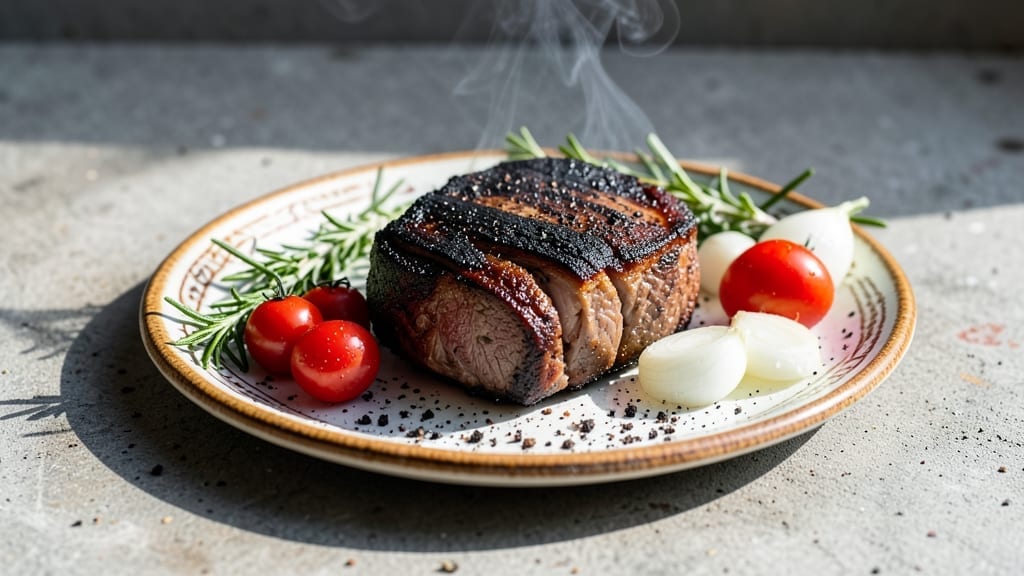
This chuck roast pellet smoker recipe unlocks the secret to tender, smoky perfection that transforms tough cuts into melt-in-your-mouth masterpieces. 🔥 After years of perfecting low-and-slow techniques, I’ve developed a method that delivers restaurant-quality results right in your backyard, using the precise temperature control and wood pellet choice that make all the difference.
The key lies in patience—letting the Maillard reaction work its magic while the pellet grill maintains an even heat that’s impossible to achieve with traditional grilling methods.
The beauty of smoking a chuck roast lies in its simplicity: a well-seasoned cut, a steady temperature around 225°F, and the right wood pellets to infuse that deep, aromatic smoke. I prefer a blend of hickory and cherry for a balance of boldness and sweetness, but oak works beautifully too.
The magic happens when the external bark forms while the interior stays tender, creating a texture that’s impossible to resist. This isn’t just a recipe—it’s a lesson in how slow cooking can turn a simple cut of meat into something extraordinary.
By the time you’re done, you’ll have a chuck roast that’s so tender it practically falls apart at the touch, with a crust that’s rich, smoky, and deeply flavorful.
The aroma alone will have everyone gathering around the table, and the first bite will confirm why this method is worth the wait. Serve it sliced thick over crusty bread with a side of roasted potatoes or a cool coleslaw to balance the richness.
This is the kind of meal that turns a casual dinner into a memorable experience.
The best part? This recipe scales effortlessly for crowds, and the leftovers reheat beautifully for sandwiches the next day. Whether you’re a seasoned pitmaster or new to pellet grilling, the techniques here are foolproof and designed to build your confidence.
Let’s get started on creating a chuck roast that’ll have your guests asking for seconds—and maybe even thirds.
Ingredients for chuck roast pellet smoker
Smoke, salt, and slow love transform this tough cut into melt-in-your-mouth magic.
| Ingredient | Amount | Notes |
|---|---|---|
| Chuck Roast 🥩 | 6 lb | Bone-in, with fat cap |
| Hickory Wood Pellets 🔥 | 2 lb | Pellet grill specific |
| Cherry Wood Pellets 🍒 | 1 lb | For sweetness balance |
| Kosher Salt 🧂 | 2 tbsp | Coarse for even coating |
| Black Peppercorns 🌶️ | 2 tbsp | Freshly ground preferred |
| Garlic Cloves 🧄 | 6 cloves | Peeled, smashed |
| Onion Slices 🧅 | 1 whole | Yellow or white |
| Apple Cider Vinegar 🍎 | 2 tbsp | For bark formation |
| Brown Sugar 🍯 | 1 tbsp | Light or dark |
| Olive Oil 🫒 | 1 tbsp | For basting |
| Butter 🧈 | 4 tbsp | Full-fat for richness |
| Fresh Rosemary 🌿 | 2 sprigs | For aroma |
| Fresh Thyme 🍃 | 2 sprigs | Or 1 tsp dried |
| Butterfly Pepper 🌶️ | 1 tsp | Optional heat |
[recipe_ingredient_scaler]
The chuck roast is your star—look for a 6 lb bone-in cut with good marbling. Costco or butcher shops often have perfect portions, but regular grocery stores work fine. Hickory pellets are your foundation for that classic smoky flavor, while cherry adds sweetness—I mix them 2:1. The fat cap should be at least ¼ inch thick for juiciness. If you can’t find bone-in, go for chuck roll—just trim excess fat before smoking. The key is patience: this isn’t a quick cook—it’s a slow transformation.
No cherry pellets? Oak or pecan work beautifully—just expect a different flavor profile. Fresh herbs are ideal, but dried thyme at half the amount gets you close. The apple cider vinegar might seem odd, but it’s essential for bark formation—trust me on this. Want extra smokiness? Add 1 tbsp liquid smoke to your rub. The butter basting is non-negotiable—it keeps the meat moist and adds richness. And if you’re worried about heat, skip the butterfly pepper—it’s just for those who love a kick.
This reheats beautifully—honestly tastes better the next day once everything melds. Keep the pellets in an airtight container away from moisture, and they’ll last 6-12 months. Store the roast in the fridge for up to 5 days if you’re not smoking right away. For leftovers, slice thick and freeze portions for 3 months. I always make extra—it’s perfect for sandwiches, tacos, or even chili. The aroma alone makes the cooking worth it, but the first bite? That’s when you know it’s worth the wait.
Why You’ll Love This Recipe
- I’ll be real: chuck roast can be a gamble, but the secret here is the 6-hour low-and-slow cook at 225°F, plus that butter basting at the 4-hour mark. The result? Meat so tender it practically falls apart—every bite is creamy with that perfect smoky crust.
- Pellet Smoker Magic: Honestly, this isn’t your average chuck roast. The combo of hickory and cherry wood pellets gives you that deep, woodsy flavor with just a hint of sweetness—no fancy equipment needed, just your pellet smoker doing all the work.
- Fork-Tender Guarantee: I’ll be real: chuck roast can be a gamble, but the secret here is the 6-hour low-and-slow cook at 225°F, plus that butter basting at the 4-hour mark. The result? Meat so tender it practically falls apart—every bite is creamy with that perfect smoky crust.
- Leftovers That Shine: Between us, this roast makes enough for three meals. Slice it up for sandwiches the next day (trust me, the flavors deepen), or shred it for tacos or pasta. The cherry wood pellets’ sweetness even makes the leftovers taste fresh.
Step-by-step instructions for chuck roast pellet smoker recipe
Here’s how to transform that tough chuck roast into melt-in-your-mouth perfection.
🔥 Step 1: Prep the Roast with Dry Rub and Vinegar Wash
Start by trimming any large fat deposits from the 6 lb chuck roast to about ¼-inch thickness. This ensures even cooking while preserving flavor. In a small bowl, mix together the 2 tbsp kosher salt, 2 tbsp black peppercorns (freshly ground), 1 tbsp brown sugar, and 1 tsp butterfly pepper until evenly combined. Here’s the thing—this pepper adds a subtle, fruity heat that pairs perfectly with the smoky flavors.
Generously coat the roast with this dry rub, pressing it into all sides and the cavity. In a separate small bowl, combine the 2 tbsp apple cider vinegar with 1 tbsp olive oil to create a sticky wash. Brush this mixture over the entire surface of the roast—this helps form that coveted bark while adding depth of flavor. Place the roast on a wire rack set over a baking sheet and refrigerate uncovered for 1 hour to dry the surface slightly.
🔥 Step 2: Set Up the Pellet Smoker for Perfect Smoke
While the roast rests, prepare your pellet smoker. Fill the hopper with 2 lb hickory wood pellets and 1 lb cherry wood pellets—the hickory provides bold, classic smoke flavor while the cherry adds a touch of sweetness that balances the richness. Set the smoker to 225°F and let it preheat for 15-20 minutes until you see steady, thin blue smoke (not thick white steam).
Here’s where it gets fun—place the 6 garlic cloves and 1 onion slice directly on the smoker grates below the roast. As they cook, they’ll infuse the smoke with incredible aroma. Tuck the 2 sprigs fresh rosemary and 2 sprigs fresh thyme into the roast cavity before placing it on the smoker, fat-side up. This arrangement creates a flavor bomb in every bite.
⏰ Step 3: Smoke Low and Slow with Strategic Basting
Place the roast on the smoker and close the lid immediately. Resist the urge to peek—every time you open it, you lose heat and moisture. Smoke the roast undisturbed for 6 hours, maintaining that 225°F temperature. After 4 hours, it’s time to baste: remove the roast and brush it with melted 4 tbsp butter (melted in a small saucepan over low heat). Return it to the smoker and continue cooking.
You’ll know it’s ready when the internal temperature reaches 195-203°F (use a meat thermometer in the thickest part, avoiding fat). The bark should be deep mahogany brown with some charred spots. If the bark isn’t forming as you’d like, spritz it lightly with apple cider vinegar and return to the smoker. This is the moment that matters—the perfect balance of smoke penetration and bark development.
🍳 Step 4: Rest and Slice for Maximum Tenderness
Once the roast reaches the target temperature, remove it from the smoker and transfer to a cutting board. Tent loosely with foil and let it rest for at least 1 hour (I prefer 2 hours if possible). This resting period allows the juices to redistribute throughout the meat, ensuring every slice is moist and flavorful. Real talk—skipping this step means dry, disappointing meat.
After resting, slice the roast against the grain into ¼-inch thick slices. The meat should be fork-tender, falling apart easily with minimal pressure. Serve immediately with the pan juices (carefully strained) drizzled over the top. Each slice should deliver layers of smoky hickory, sweet cherry wood, and that perfect bark you worked so hard to create.
Pro Tips For Making Chuck Roast Pellet Smoker
- Trim the Fat Right: Leave a ¼-inch fat cap—this protects the meat from drying out and adds flavor, but don’t go thinner or it’ll burn before the roast cooks through. I used to trim too aggressively and ended up with dry slices; the fat is your friend here.
- Don’t Skip the Vinegar Wash: That apple cider vinegar + olive oil mix isn’t just for flavor—it’s the secret to a deep, crackling bark. Brush it on generously before smoking, and don’t rush the 1-hour dry rest. I learned this the hard way when my first attempt stayed soggy.
- Baste at the 4-Hour Mark: The melted butter after 4 hours isn’t optional—it’s what turns your bark from good to unforgettable. Use all 4 tbsp, don’t skimp, and baste evenly. I once missed a spot and got a sad, dry patch that ruined the whole slice.
- Check Temp, Not Time: 195-203°F is your target—not the 6-hour rule. A cheap thermometer is worth every penny here. I’ve pulled roasts at “6 hours” only to find them tough because they weren’t done, and nobody wants to eat regret.
Storing and reheating your leftovers
Refrigerator Storage
Once your chuck roast cools to room temperature, transfer it to an airtight container—I use glass Pyrex with snap-on lids for best results. Store at 40°F or below for up to 5 days for maximum flavor retention.
The apple cider vinegar wash and herbs will continue to infuse the meat, deepening its complexity. Just remember: the longer it rests in the fridge, the more those flavors meld together. 🥶
Pellet Storage
Keep your 2 lb hickory and 1 lb cherry wood pellets in a cool, dry place away from direct sunlight. I store them in a 5-gallon bucket with a tight-fitting lid—this keeps them fresh for 6-12 months.
Never store them in damp conditions, or they’ll clump and lose their smoking power. A little goes a long way, so measure carefully for your next cook.
Reheating for Maximum Tenderness
For stovetop reheating, I prefer a cast-iron skillet over medium-low heat. Add 2 tbsp beef broth to prevent drying, cover loosely, and heat for 10-15 minutes, stirring occasionally.
This method keeps the meat moist and allows the flavors to shine. If reheating leftovers, slice thickly first—it reheats faster and stays juicier. 🔥
Microwave Revival
When time is tight, microwave in 2-minute intervals at 50% power, covered with a damp paper towel. Start with 3 minutes, then check the internal temperature—it should reach 160°F for safety.
Add a splash of water if it looks dry. This method works best for sandwiches or quick lunches, but it won’t restore the same texture as stovetop reheating.
Freezing Leftovers
Slice your chuck roast ¼-inch thick before freezing—it reheats more evenly this way. Store portions in quart-sized freezer bags, leaving 1 inch of headspace for expansion. Label with the date; these freeze beautifully for up to 3 months.
When ready to eat, thaw overnight in the fridge and reheat as directed. I always make extra—it’s perfect for tacos or sandwiches later!
Nutrition facts
Frequently asked questions
Why does the recipe call for refrigerating the roast before smoking?
The 1-hour refrigeration after applying the vinegar wash is crucial—it dries the surface slightly, helping create that perfect bark while intensifying the flavors. Without this step, the exterior won’t develop the deep color and crispy texture you’re aiming for. Think of it as pre-seasoning your meat for maximum impact!
Can I use all hickory pellets instead of the cherry blend?
Yes, but you’ll lose that subtle sweetness the cherry wood adds. Hickory alone gives bold, classic smoke flavor—great if you prefer a more traditional taste. For extra richness, consider adding 1 tbsp brown sugar to your dry rub instead. The choice comes down to your flavor preference!
What if my pellet smoker temperature fluctuates during cooking?
Pellet smokers can sometimes struggle with temperature control. If your smoker drops below 225°F, add more pellets gradually. For spikes above 230°F, open the lid briefly to cool down. Consistency is key—aim to stay within ±10°F of your target temperature for even cooking. Patience pays off!
How do I know when the bark is ready to stop spritzing?
Look for deep mahogany color with some charred spots when you spritz. If the surface is still pale or glossy after spritzing, it needs more time. Over-spritzing can make the bark soggy—let it develop naturally between applications. The bark should feel crispy when you press gently with your finger.
Can I make this recipe with a different cut of beef?
While chuck roast is ideal, you could try a bottom round or brisket with adjustments. These cuts need 1-2 extra hours of cooking time due to their density. The key is maintaining 225°F and checking internal temps—aim for 195-203°F for tenderness. The pellet smoker’s even heat makes it perfect for these tougher cuts!

Trained in classic French technique but raised on slow-cooked ribs and spicy rubs, she blends culinary skill with smoke and soul.
- Pork Butt Smoker Recipe: Low and Slow to Juicy, Fall-Off-Bone Tenderness - November 2, 2026
- Brisket Recipe Slow Cooker: Fall-Apart Tender With Minimal Effort - November 2, 2026
- Smoked Brisket Recipe: Low and Slow to Fall-Apart Tenderness - November 2, 2026