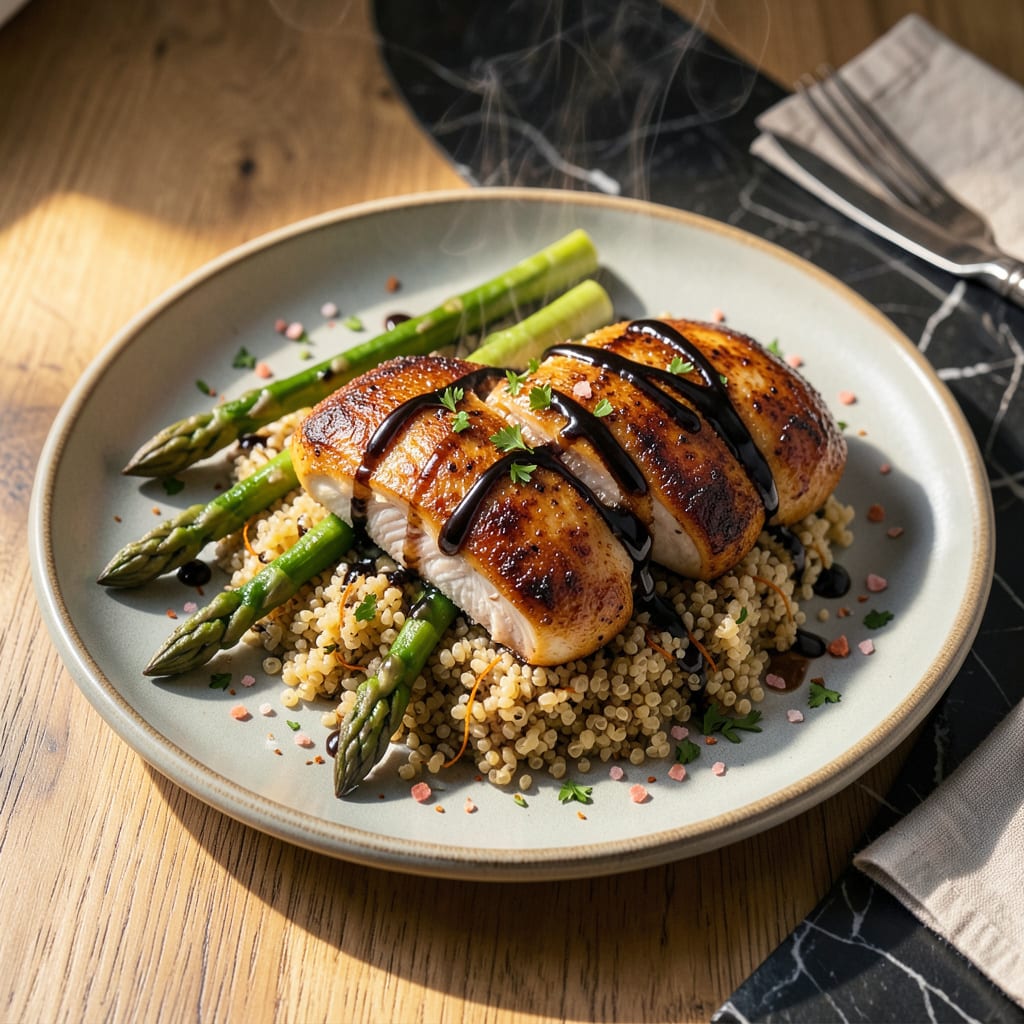
I’ll be real with you—cooking chicken without oil sounded impossible until I cracked the code. After burning through more dry, rubbery experiments than I care to admit, I discovered the secret: moisture and heat control. This method delivers juicy, tender chicken every time, no oil required.
The game-changer is using liquid—whether it’s broth, citrus juice, or even water—to create steam that keeps the meat moist while it cooks. I’ve tested this with baking, poaching, and air-frying, and each method works beautifully. You’ll get perfectly cooked chicken that’s far from bland or dry, with minimal effort.
What you end up with is chicken that’s tender enough to cut with a fork, with clean, pure flavor that lets your seasonings shine. No greasy residue, no heavy feeling—just simple, healthy protein that works in salads, bowls, or as a standalone main. The best part? Cleanup is a breeze since there’s no oil splatter.
Pair it with roasted vegetables or a fresh salad for a complete meal. Here’s how to make chicken that’s so good, you won’t miss the oil.
📚 In This Guide
- What You’ll Need
- Instructions
- Tips and Common Mistakes
What Youll Need
- ● Chicken: 1–2 lbs (450–900g) of boneless, skinless breasts or thighs (fresh or thawed if frozen).
- ● Cooking vessel: A non-stick skillet, air fryer, or baking sheet (parchment paper or silicone mat for easy cleanup).
- ● Seasonings: Salt, pepper, garlic powder, paprika, or your favorite oil-free spice blend (1–2 tsp total).
- ○ Liquid (optional): ¼ cup (60ml) broth, lemon juice, or water for moisture (great for poaching or steaming).
- ● Tools: Tongs, meat thermometer (for precision), and a sharp knife (if trimming fat).
- ○ Extras (optional): Fresh herbs (thyme, rosemary), citrus slices, or a splash of vinegar for brightness.
Instructions
Here’s how to cook perfectly juicy chicken without a single drop of oil—simple techniques, big flavor.
Choose the Right Cut and Prep It Properly
Start with boneless, skinless chicken breasts or thighs—they respond best to oil-free cooking methods. I prefer thighs for extra juiciness, but breasts work beautifully if you handle them right. Trim any visible fat or connective tissue with a sharp knife, as these can make the chicken taste greasy even without added oil.
Pat the chicken completely dry with paper towels. This is crucial for getting good browning later, whether you’re using a pan or oven. Wet chicken steams instead of searing, and we want that beautiful golden color. Season both sides generously with salt and pepper—don’t be shy, as this is your main flavor boost without oil.
Use High Heat for Initial Browning
Heat a non-stick skillet over medium-high heat until it’s properly hot—you should feel the heat radiating when you hold your hand a few inches above it. For oven methods, preheat to 400°F. The key to juicy oil-free chicken is starting with intense heat to create a flavorful crust that locks in moisture.
For stovetop cooking, add the chicken to the dry pan. It might stick at first—that’s normal. Let it cook undisturbed for 3-4 minutes until it releases easily and develops a golden-brown crust. For oven cooking, place the chicken on a wire rack over a baking sheet to allow air circulation. You’ll hear it sizzle—that’s the sound of flavor developing.
Create Steam for Moisture Retention
After browning one side, flip the chicken and immediately add ¼ cup of water, broth, or lemon juice to the pan. Cover with a tight-fitting lid and reduce heat to medium-low. This creates steam that gently cooks the chicken while keeping it moist. For oven methods, pour the liquid into the baking sheet below the rack.
Let it cook covered for 8-10 minutes (breasts) or 10-12 minutes (thighs). You’ll know it’s working when you see steam escaping from under the lid. The chicken should reach an internal temperature of 165°F—use a meat thermometer to check. The steam method prevents drying while the initial sear ensures flavor.
Rest and Serve for Maximum Juiciness
Transfer the cooked chicken to a clean plate or cutting board. Tent loosely with foil and let it rest for 5-10 minutes. This crucial step allows the juices to redistribute throughout the meat instead of running out when you cut into it. You’ll see the difference when you slice—clear juices should run, not pink or red.
Serve immediately while still warm. The chicken should be tender with a lightly crisp exterior from the initial sear. For extra flavor without oil, I like to finish with a squeeze of fresh lemon juice or a sprinkle of fresh herbs. The acidity brightens the dish and makes it taste richer than it actually is.
Tips and Common Mistakes
Let me share what I’ve learned from perfecting this oil-free chicken method—small details that make a huge difference.
Heat Control Matters: When you’re searing in Step 2, don’t rush the 3-4 minutes. That initial high heat creates the Maillard reaction (the chemical process that gives browned food its flavor), and moving the chicken too soon prevents proper crust formation. I learned this the hard way after peeking too early and ending up with pale, steamed chicken instead of golden, flavorful pieces.
Liquid Choice Impact: The ¼ cup of liquid you add in Step 3 isn’t just for steam—it’s your flavor opportunity. Water works, but broth or lemon juice adds depth. I prefer low-sodium chicken broth because it enhances the natural chicken flavor without making the dish too salty. The steam carries these flavors into the meat while keeping it moist.
Resting Isn’t Optional: Those 5-10 minutes of resting in Step 4 might seem like wasted time when you’re hungry, but they’re crucial. Cutting into chicken immediately releases all the juices onto your plate instead of keeping them in the meat. I’ve ruined perfectly cooked chicken by skipping this step—trust me, the wait is worth it for juicy results.
Temperature Verification: Always use a meat thermometer to confirm the 165°F internal temperature. Color isn’t a reliable indicator—chicken can look done at lower temps. I check the thickest part of the meat, avoiding bones if using thighs. This ensures safety without overcooking, which is especially important without oil to mask dryness.
Pro Tips for Cook Chicken Without Oil
- Let me share what I’ve learned from perfecting this oil-free chicken method—small details that make a huge difference.
- Heat Control Matters: When you’re searing in Step 2, don’t rush the 3-4 minutes. That initial high heat creates the M…
- Liquid Choice Impact: The ¼ cup of liquid you add in Step 3 isn’t just for steam—it’s your flavor opportunity. Water …
Frequently Asked Questions
Can I cook chicken without oil and still keep it moist?
Use methods like poaching, steaming, or slow-cooking to lock in moisture. Brining the chicken beforehand (even for 30 minutes) or cooking it in broth/lemon juice adds extra juiciness. Avoid overcooking—use a meat thermometer to hit 165°F (74°C) internally.
How long does it take to cook chicken without oil?
Timing depends on the method:
- Baking: 20–30 mins at 375°F (190°C)
- Poaching: 12–15 mins in simmering liquid
- Air frying: 12–18 mins at 360°F (180°C)
- Steaming: 15–20 mins
What can I use instead of oil to prevent sticking?
Try these zero-oil swaps:
- Broth or water: Add 2–3 tbsp to the pan for steaming.
- Parchment paper: Line baking sheets for easy release.
- Citrus juice: Lemon or lime juice adds flavor and prevents dryness.
- Nonstick cookware: A well-seasoned cast-iron or ceramic pan works wonders.
Why does my oil-free chicken turn out rubbery?
Rubbery texture usually means overcooking or low heat. For tender results:
- Use high heat for searing (if using a pan).
- Don’t overcrowd the pan—steam builds up and boils chicken instead of browning it.
- Rest chicken 5 mins after cooking to redistribute juices.
Is oil-free chicken healthier than cooked with oil?
Yes! Skipping oil cuts 120+ calories per tbsp and reduces saturated fat. However, oil-free methods may leach some fat-soluble vitamins (like A/D). Boost nutrition by pairing chicken with colorful veggies or herbs for added antioxidants.
Cooking chicken without oil isn’t just possible—it’s a game-changer for healthier, flavor-packed meals! 🍗✨ Whether you’re using an air fryer, steaming, or baking, these methods lock in moisture while cutting unnecessary fats. Plus, you’ll save calories without sacrificing taste.
Ready to try it? Start with a simple herb-marinated baked chicken breast or experiment with steamed Asian-inspired thighs. Your taste buds (and waistline) will thank you! For more zero-oil recipes, check out our Healthy Cooking Guide next.

Trained in classic French technique but raised on slow-cooked ribs and spicy rubs, she blends culinary skill with smoke and soul.
- Recipe for Boneless Pork Chops in Cast Iron Skillet: Sear and Baste to Juicy Perfection - October 3, 2026
- Recipe for Boneless Cross Rib Roast: Slow-Roasted Beef with Herb Crust - October 3, 2026
- Hamburgers in Sauce Recipe Crock Pot: Slow-Cooked Savory Delight - October 3, 2026