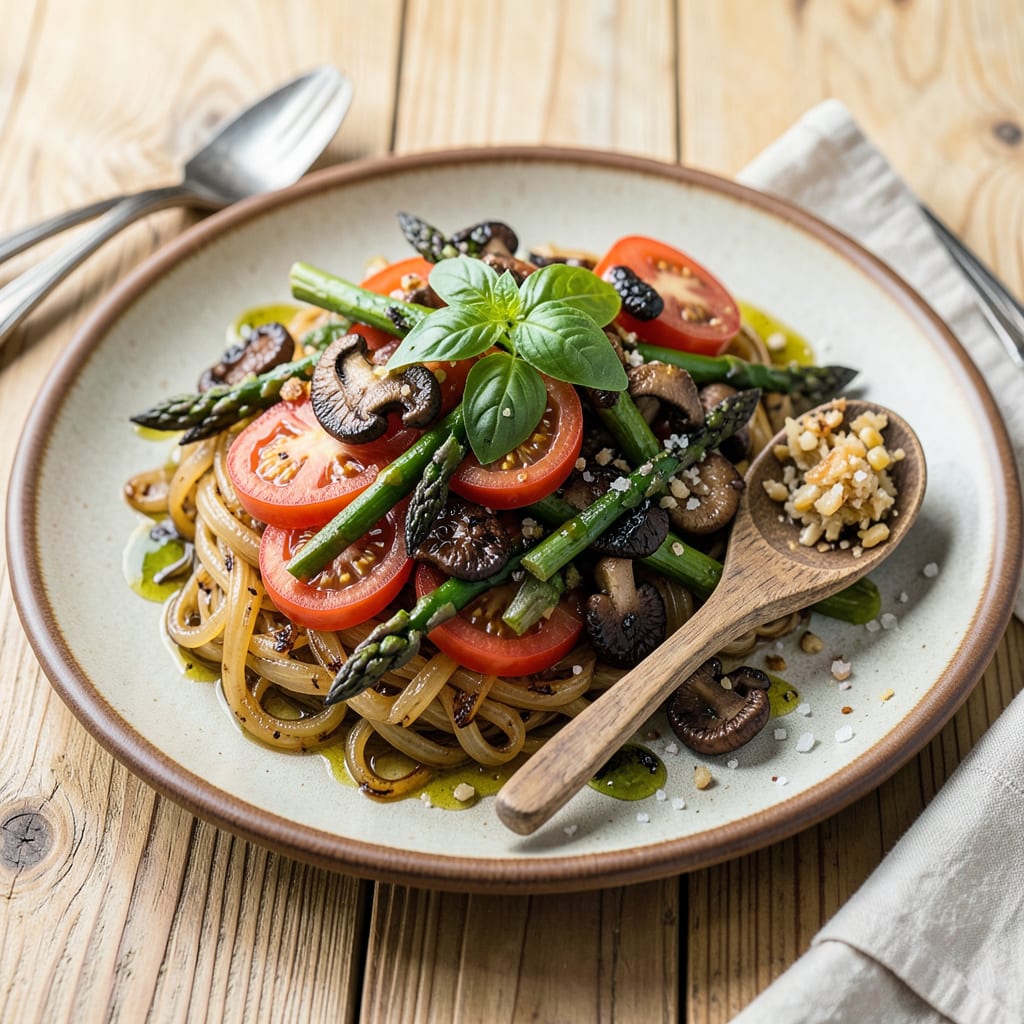
Learning to cook without recipes changed my approach to the kitchen completely. The freedom to create based on what’s available—rather than following strict instructions—unlocks a level of culinary confidence that transforms how you eat. This isn’t about abandoning technique; it’s about understanding the fundamentals so deeply that you can adapt, substitute, and improvise with ease.
Mastering intuitive cooking starts with foundational skills: balancing flavors, controlling heat, and recognizing when ingredients are perfectly cooked. I’ve spent years refining these techniques, from quick stir-fries to slow-braised dishes, all without measuring cups or timers. The key lies in developing your senses—taste, smell, touch—to guide decisions rather than relying on written directions.
What you’ll discover is a more flexible, creative way to approach meals. Whether you’re working with leftover vegetables, whatever protein is on hand, or pantry staples, this method teaches you to build cohesive dishes. The result isn’t just food—it’s personalized cooking that reflects your tastes, your ingredients, and your instincts.
This approach works for every meal, from simple weeknight dinners to impressive dishes for guests. The principles remain constant: start with quality ingredients, apply proper technique, and trust your judgment. Once you embrace this mindset, you’ll never look at cooking—or your kitchen—the same way again.
📚 In This Guide
- What You’ll Need
- Instructions
- Tips and Common Mistakes
What Youll Need
- ● Essential Tools: 1 sharp 8–10″ chef’s knife (your best kitchen buddy!)
- ● 1 cutting board (wood or plastic, 12″x18″ or larger)
- ● 1 large (12″) skillet or sauté pan (stainless steel or cast iron preferred)
- ● 1 medium (3–4 qt) pot with lid (for grains, soups, or blanching)
- ● Mixing bowls (3 sizes: small, medium, large)
- ● Wooden spoon + heat-resistant spatula
- ○ Measuring cups/spoons (optional but handy for baking or precise spices)
- ○ Kitchen scale (optional, for bakers or exact portions)
- ● Pantry Staples (Stock These!): Salt (kosher or sea salt) + black peppercorns
- ● High-smoke-point oil (avocado, grapeseed, or refined coconut oil—16 oz)
- ● Olive oil (extra virgin, 8–12 oz for finishing)
- ● Acid: lemon juice, vinegar (apple cider or white—4 oz each)
- ○ Aromatics: garlic (1 head), onions (2–3), fresh ginger (optional)
- ● Dried herbs/spices: cumin, paprika, chili flakes, oregano (start with these 4)
- ● Nice-to-Haves: Immersion blender (for creamy soups/sauces)
- ● Microplane (for zesting citrus or grating garlic)
- ● Instant-read thermometer ($10–$20, game-changer for meats)
Instructions for Cooking Without a Recipe
Here’s how to transform intuition into delicious meals—no recipe required.
Master the Flavor Foundation
Every great dish starts with a flavor base. I always begin by selecting an aromatic combination: onions, garlic, and ginger form my holy trinity for most cuisines. Heat your pan over medium heat and add enough fat (butter, olive oil, or rendered fat) to coat the bottom.
Watch for the shimmer point—when the fat develops subtle ripples but isn’t smoking. Add your aromatics and cook until translucent and fragrant, about 3-5 minutes. This creates the flavor backbone that will carry your entire dish. Trust your nose: when the kitchen smells amazing, you’re on the right track.
Build with the Rule of Thirds
I use a simple ratio system for balanced dishes: one-third protein, one-third vegetables, one-third starch or grain. For proteins, consider cooking times—delicate fish needs high heat for 2-3 minutes per side, while tougher cuts like pork shoulder benefit from low-and-slow cooking.
Add vegetables in stages based on density. Start with hard vegetables (carrots, potatoes) that need 8-10 minutes to soften, then add quicker-cooking items (zucchini, leafy greens) during the final 3-4 minutes. For grains, remember the 2:1 liquid-to-grain ratio for rice and similar absorption cooking methods.
Season Strategically in Layers
Salt is your most powerful tool—use it at every stage. I salt proteins 40 minutes before cooking for even seasoning, vegetables as they cook to draw out moisture, and finish with a sprinkle of flaky salt for texture. Acid brightens flavors: a splash of vinegar or squeeze of citrus at the end makes everything taste more vibrant.
Build complexity with the “four flavor corners”: something salty (soy sauce, capers), sweet (honey, caramelized onions), sour (lemon, vinegar), and umami (tomato paste, mushrooms). Taste as you go—your palate is your best guide. When the flavors sing together without any single note dominating, you’ve achieved balance.
Control Heat Like a Pro
Heat management separates good cooks from great ones. For searing, get your pan ripping hot—a drop of water should dance and evaporate instantly. For delicate sauces, maintain low heat where butter melts but doesn’t brown. Learn to recognize temperature cues: the sound of sizzling tells you when food hits the pan, and the aroma changes as caramelization begins.
Master the carryover cooking principle—most proteins continue cooking after removal from heat. I pull steaks at 125°F for medium-rare since they’ll rise to 130°F while resting. For vegetables, aim for tender-crisp texture—a knife should meet slight resistance but not crunch. Practice adjusting heat on the fly based on visual and auditory cues rather than strict timing.
Finish with Texture and Presentation
Great dishes engage multiple senses. I always add a textural contrast—crunchy toasted nuts on creamy soups, crispy fried shallots on soft purées. Fresh herbs added at the very end provide color and brightness. Consider the plate as your canvas: arrange components with intention rather than just piling everything together.
Sauces and garnishes elevate simple dishes. Reduce pan drippings with a splash of wine or stock for instant sauce. A drizzle of quality olive oil, sprinkle of citrus zest, or shower of microgreens makes even humble ingredients look restaurant-worthy. Remember that visual appeal makes food taste better—we eat with our eyes first.
Tips and Common Mistakes for Cooking Without a Recipe
Developing your intuition in the kitchen is all about understanding the why behind the how. Here’s what I’ve learned from years of cooking without strict guidelines.
Heat Management Insight: The difference between good and great cooking often comes down to heat control. When you’re working with medium heat in Step 1, watch for that shimmer point in your fat—it should ripple like water in sunlight but never smoke. This is where aromatics develop their full potential without burning. For searing in Step 4, ripping hot means a water droplet should evaporate instantly, creating that perfect crust on proteins.
Timing Nuance: Those 3-5 minutes for cooking aromatics in Step 1 aren’t arbitrary—they represent the sweet spot where onions become translucent and garlic releases its fragrance without turning bitter. Similarly, the 2-3 minutes per side for delicate fish in Step 2 creates a golden crust while keeping the interior perfectly moist. Trust these time ranges as starting points, then adjust based on your specific ingredients and equipment.
Seasoning Strategy: The 40 minutes of pre-salting proteins mentioned in Step 3 isn’t just about flavor—it’s about texture. This time allows salt to penetrate deeply and begin breaking down muscle fibers, resulting in more tender meat. For vegetables, salting during cooking (rather than after) helps draw out excess moisture, concentrating their natural flavors. Always taste as you go—the difference between properly seasoned and bland food is often just a pinch more salt or acid at the right moment.
Texture Mastery: That tender-crisp vegetable texture described in Step 4 is achieved by testing with a knife—it should meet slight resistance but not crunch. For grains, the 2:1 liquid ratio is your guide, but remember that different grains absorb at different rates. Rice might be perfect at 18 minutes while farro needs 30—watch for the liquid to be fully absorbed with tiny steam holes forming on the surface.
Pro Tips for Cooking Without A Recipe
- Developing your intuition in the kitchen is all about understanding the why behind the how. Here’s what I’ve learned …
- Heat Management Insight: The difference between good and great cooking often comes down to heat control. When you’re …
- Timing Nuance: Those 3-5 minutes for cooking aromatics in Step 1 aren’t arbitrary—they represent the sweet spot where…
Frequently Asked Questions
How do I start cooking without a recipe if I’m a beginner?
Begin with simple dishes like stir-fries, omelets, or grain bowls. Focus on flavor balance (salt, acid, sweet, fat) and use familiar ingredients. Start by tweaking existing recipes—swap proteins or veggies—then gradually trust your instincts. Keep a notebook to track what works!
What’s the easiest way to time dishes when I’m winging it?
Prep ingredients before cooking (mise en place) to avoid chaos. Cook proteins first (they often take longest), then veggies, and finish with sauces or garnishes. Use the “finger test” for meat doneness or cut into a piece to check—no stress, just practice!
Can I substitute ingredients freely, or are there rules?
Most ingredients are swappable! Use similar textures (e.g., zucchini for eggplant) or flavors (lemon juice for vinegar). For baking, stick closer to the original (flour/sugar ratios matter). Herbs and spices? Go wild—just taste as you go!
What if my dish tastes bland or weird? How do I fix it?
Bland food often needs salt, acid (lemon/vinegar), or fat (olive oil/butter). Too salty? Add starch (potatoes, rice) or dilute with broth. Overly spicy? Sweeten with honey or dairy (yogurt, cream). Taste frequently and adjust in small increments!
Are there tools or apps to help with no-recipe cooking?
Yes! Apps like Yummly or SideChef suggest ingredient combos, while FlavorGraph maps pairings. For inspiration, try “recipe roulette” websites or follow #norecipeneeded on social media. A kitchen scale and thermometer also help with precision when improvising.
Cooking without a recipe isn’t about perfection—it’s about freedom, creativity, and trust in your instincts. 🌟 By mastering flavor balances, embracing flexibility, and learning from every dish (even the “oops” moments), you’ll unlock a world where meals feel effortless and exciting. The kitchen becomes your playground, not a rulebook!
Ready to dive in? Start small: Pick one ingredient you love—like ripe tomatoes or a spice you’ve been curious about—and experiment tonight. No pressure, just play. Your next delicious discovery is waiting! 🍴

Trained in classic French technique but raised on slow-cooked ribs and spicy rubs, she blends culinary skill with smoke and soul.
- Recipe for Boneless Pork Chops in Cast Iron Skillet: Sear and Baste to Juicy Perfection - October 3, 2026
- Recipe for Boneless Cross Rib Roast: Slow-Roasted Beef with Herb Crust - October 3, 2026
- Hamburgers in Sauce Recipe Crock Pot: Slow-Cooked Savory Delight - October 3, 2026