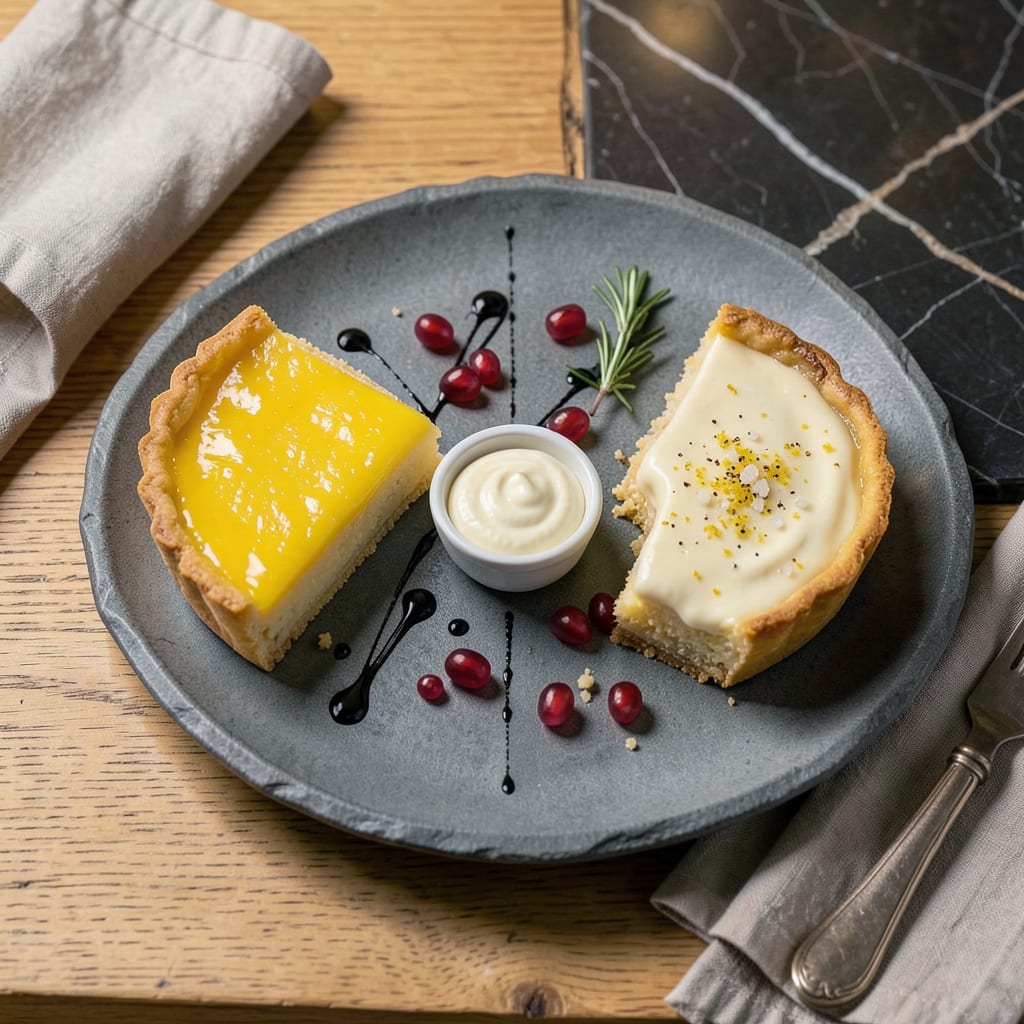
Every cook has faced the moment when a dish tastes cloyingly sweet—whether it’s a dessert that’s overpowered by sugar or a savory sauce that missed the balance mark. The solution isn’t just adding more ingredients; it’s understanding how flavors interact. Sweetness can be tamed with precision, using techniques that professional chefs rely on daily.
Acidity is your first line of defense. A splash of lemon juice or vinegar doesn’t just cut sweetness—it creates a brighter, more complex flavor profile. For baked goods, unsweetened cocoa powder or a pinch of salt can work wonders by adding depth without altering texture. These aren’t just quick fixes; they’re fundamental balancing acts that transform overly sweet dishes into perfectly harmonized ones.
Ingredient swaps offer another layer of control. Replacing some sugar with tart fruit purees (like raspberry or passionfruit) maintains moisture while reducing sweetness. In sauces, a spoonful of tomato paste or a dash of soy sauce introduces umami that naturally counters sugar’s dominance. The key is making adjustments that enhance rather than mask the original flavors.
Timing matters too. Some ingredients need heat to activate their balancing properties, while others (like citrus zest) should be added at the end to preserve their freshness. This guide will walk you through specific techniques for different dish types—from cakes to cocktails—so you can rescue any recipe with confidence.
📚 In This Guide
- What You’ll Need
- Instructions
- Tips and Common Mistakes
What Youll Need
- ● Tasting spoons – 2-3 clean spoons for sampling adjustments
- ● Measuring tools – ½ tsp, 1 tsp, 1 tbsp, and ¼ cup measures for precision
- ● Mixing bowls – Small (1-2 cups) and medium (3-4 cups) sizes
- ● Whisk or fork – For blending dry/liquid ingredients smoothly
- ○ Citrus juicer (optional) – If using lemon/lime juice to balance flavors
- ● Unsweetened ingredients – Plain yogurt, unsweetened cocoa powder, or nut butter (1-2 tbsp as needed)
- ● Acidic agents – Fresh lemon/lime juice (1-2 tsp) or white vinegar (½-1 tsp)
- ● Salt – Fine sea salt or kosher salt (pinch to ¼ tsp)
- ○ Spices (optional) – Cinnamon, nutmeg, or vanilla extract (¼-½ tsp) to enhance depth
- ○ Neutral liquid (optional) – Water, unsweetened almond milk, or broth (1-2 tbsp) to dilute
Instructions for Balancing Sweetness in Recipes
These professional techniques will help you adjust sweetness levels while maintaining flavor balance and texture integrity.
Assess the Sweetness Profile and Ingredients
Begin by identifying all sweet components in your recipe. This includes not just obvious sugars but also ingredients with hidden sweetness like ripe fruits, sweetened dairy products, or certain vegetables. I recommend tasting each sweet element individually to understand its contribution to the overall flavor profile.
Create a complete inventory of sweet sources, noting their forms (granulated, liquid, natural) and quantities. This analysis reveals where adjustments will have the most significant impact. Remember that different sweeteners have varying sweetness intensities—honey is sweeter than granulated sugar, for example—so you’ll need to account for these differences in your calculations.
Implement Direct Sugar Reduction Techniques
For recipes where sugar plays a primarily sweetening role (rather than structural), you can typically reduce granulated or liquid sweeteners by 25-30% without compromising texture. In baked goods, I suggest starting with a 15% reduction to maintain proper browning and moisture retention. Always note the original quantity so you can adjust further if needed.
When reducing liquid sweeteners like honey or maple syrup, compensate for lost moisture by adding an equivalent amount of neutral liquid (water, unsweetened dairy, or fruit juice). This maintains the recipe’s hydration balance. For example, if removing ¼ cup honey, add ¼ cup water or another appropriate liquid to preserve the intended consistency.
Incorporate Flavor Balancers and Counterpoints
Introduce acidic elements to counteract perceived sweetness. Citrus juices, vinegars, or tart fruits work exceptionally well. I recommend adding acid gradually—start with 1 teaspoon per cup of liquid in the recipe—then taste and adjust. The acid doesn’t reduce actual sugar content but creates a more balanced flavor perception.
For rich, sweet dishes, incorporate bitter or umami components. Unsweetened cocoa powder, coffee, or a pinch of salt can effectively balance sweetness. In savory-sweet dishes, consider adding aromatic elements like fresh herbs, spices, or toasted nuts to create complexity that distracts from the sweetness while enhancing overall flavor depth.
Adjust Structural Components as Needed
In baked goods where sugar contributes to structure (like cookies or cakes), you’ll need to compensate for reduced sweetness. For each ¼ cup sugar removed, add 1 tablespoon flour or 1 egg white to maintain proper texture. This adjustment helps preserve the recipe’s intended crumb and moisture levels.
For custards and puddings, reduce sugar gradually—no more than 10% at a time—as it significantly affects setting properties. In these cases, I recommend testing small batches first. Consider using sugar alternatives with similar bulk properties (like erythritol blends) if significant reduction is necessary, but be aware these may alter browning and texture characteristics.
Evaluate and Refine Through Tasting
Conduct multiple taste tests throughout the adjustment process. Begin with small samples of the adjusted mixture before committing to the full batch. I find it helpful to compare the adjusted version side-by-side with the original recipe when possible. Pay attention to how the sweetness presents at different temperatures, as perception changes when foods are served hot versus cold.
Allow finished dishes to rest for at least 30 minutes before final evaluation, as flavors meld and sweetness perception often mellows over time. Keep detailed notes on your adjustments, including quantities changed and the resulting flavor impact. This creates a reference for future recipe modifications and helps develop your palate for balancing sweetness professionally.
Tips and Common Mistakes
Mastering sweetness reduction requires both technical precision and sensory awareness. These professional insights will help you execute the technique flawlessly while avoiding common pitfalls.
Structural Compensation Technique: When implementing the 15% sugar reduction for baked goods in Step 2, remember that sugar isn’t just about sweetness—it’s a structural component. The 1 tablespoon flour or 1 egg white per ¼ cup sugar removed (as specified in Step 4) isn’t arbitrary; these ratios maintain the Maillard reaction rates and protein coagulation needed for proper crumb development. I’ve found that egg whites work particularly well in angel food cakes, while flour performs better in denser cakes like pound cakes.
Liquid Sweetener Adjustment: The ¼ cup water replacement for ¼ cup honey mentioned in Step 2 isn’t just about volume—it’s about viscosity and humidity retention. When working with maple syrup, which has a lower water activity than honey, I recommend using a 1:1 replacement ratio but adding the compensatory liquid in two stages: half initially and half after mixing to better control the batter’s consistency. This staged approach prevents over-dilution.
Flavor Balancing Strategy: The 1 teaspoon acid per cup of liquid guideline in Step 3 demands careful implementation. Citric acid (from lemon juice) behaves differently than acetic acid (from vinegar) in terms of volatility and flavor persistence. For custards and delicate desserts, I prefer using ½ teaspoon lemon zest instead of juice to avoid curdling while still achieving the desired brightness. The zest’s oils provide aromatic complexity without altering the liquid balance.
Evaluation Protocol: The 30-minute resting period in Step 5 isn’t just about flavor melding—it’s about osmotic equilibrium. During this time, I recommend conducting your taste tests at 10-minute intervals to observe how sweetness perception evolves. Use a clean spoon for each test to avoid palate fatigue. The difference between the 10-minute and 30-minute marks can be surprising, particularly in fruit-based desserts where pectin structure continues to develop.
Pro Tips for Cut Sweetness In A Recipe
- Mastering sweetness reduction requires both technical precision and sensory awareness. These professional insights wi…
- Structural Compensation Technique: When implementing the 15% sugar reduction for baked goods in Step 2, remember that…
- Liquid Sweetener Adjustment: The ¼ cup water replacement for ¼ cup honey mentioned in Step 2 isn’t just about volume—…
Frequently Asked Questions
Can I fix a dish that’s already too sweet after cooking?
Yes! Balance it by adding acidity (lemon juice, vinegar), salt (a pinch enhances other flavors), or dilution (broth, water, or unsweetened dairy). For baked goods, pair with whipped cream or tangy fruit. Taste as you go—small adjustments work best!
What’s the best substitute for sugar to reduce sweetness?
Try unsweetened applesauce, mashed banana, or yogurt for moisture (baking), or spices like cinnamon/nutmeg to trick taste buds. For liquids, swap sugary syrups with vanilla extract or almond milk. Note: Texture may change—test in small batches first!
How do I adjust sweetness in a recipe before cooking?
Start by cutting sugar by 25–50% (especially in sauces/dressings). Boost depth with roasted veggies, spices (cardamom, ginger), or umami (soy sauce, mushrooms). For baked goods, use tart fruits (rhubarb, cranberries) or reduce sugar and add 1 tsp extra liquid per ¼ cup cut.
Why does my less-sweet recipe taste bland now?
Sweetness masks other flavors! Compensate with:
- Salt (enhances all flavors)
- Acid (citrus, yogurt)
- Herbs (mint, basil for freshness)
- Texture (toasted nuts, crunchy seeds)
Can I use artificial sweeteners to cut sugar without side effects?
Possible, but tricky! Artificial sweeteners (erythritol, stevia) can leave an aftertaste or affect texture (e.g., cookies may spread less). Stick to 1:1 sugar substitutes labeled for baking, and add a pinch of salt to balance. Best for: beverages, sauces, or no-bake recipes.
Balancing sweetness doesn’t have to be a guessing game! With simple swaps like acidic ingredients, spices, or unsweetened alternatives, you can tweak any recipe to suit your taste—without sacrificing flavor. 🎯 Start small, taste as you go, and trust your palate to find the perfect harmony.
Ready to put these tricks to the test? Pick a favorite recipe and try one adjustment at a time—your next dish might just be your best yet! 🍽️

Trained in classic French technique but raised on slow-cooked ribs and spicy rubs, she blends culinary skill with smoke and soul.
- Recipe for Boneless Pork Chops in Cast Iron Skillet: Sear and Baste to Juicy Perfection - October 3, 2026
- Recipe for Boneless Cross Rib Roast: Slow-Roasted Beef with Herb Crust - October 3, 2026
- Hamburgers in Sauce Recipe Crock Pot: Slow-Cooked Savory Delight - October 3, 2026