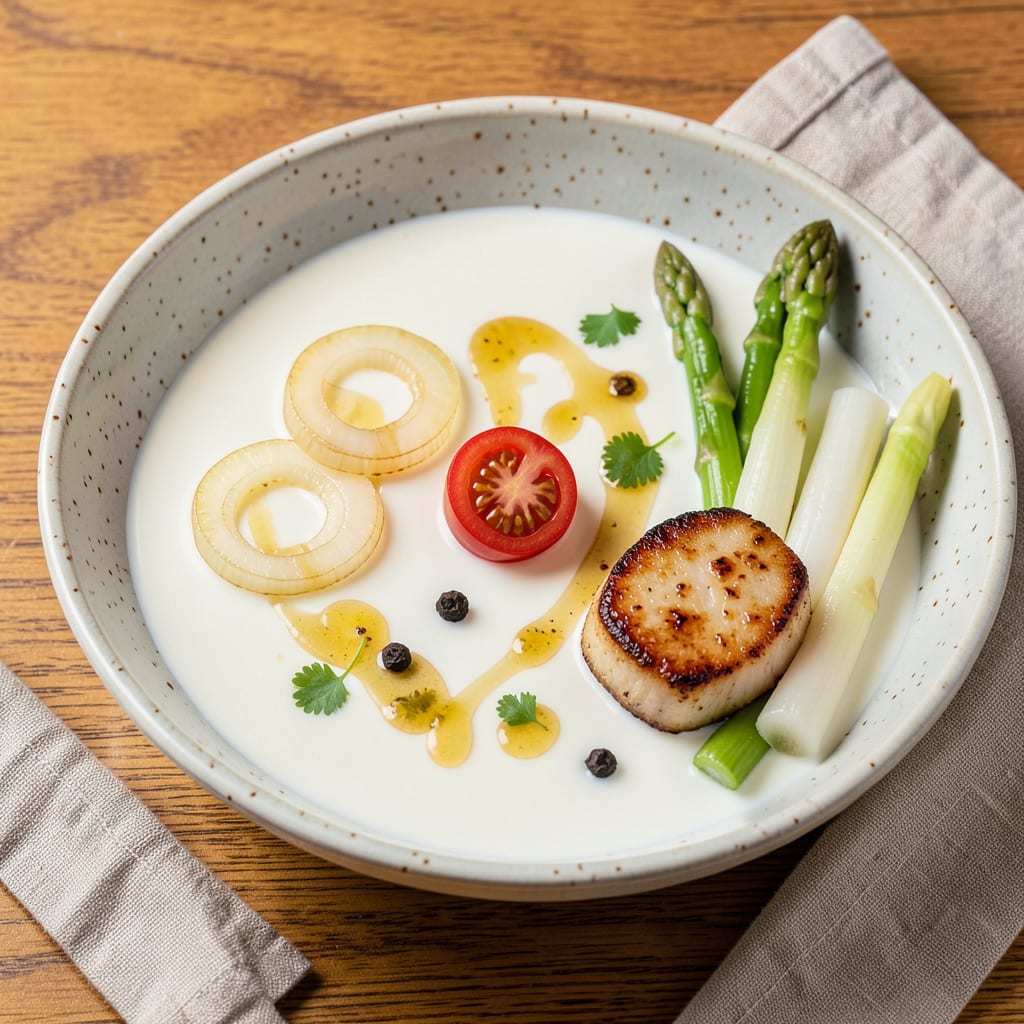
There’s something magical about how cream and milk transform simple ingredients into rich, velvety masterpieces. I remember the first time I swapped water for whole milk in my mashed potatoes—game changer. Seriously. These dairy staples don’t just add richness; they create silky sauces, tenderize proteins, and build layers of flavor that water or broth just can’t match.
What most home cooks don’t realize is that cream and milk work differently in cooking. Milk adds subtle sweetness and helps tenderize, while heavy cream brings that luxurious body to sauces and soups. I’ve burned through my share of ruined sauces learning this—the hard way—like when I added cold milk to a bubbling roux and ended up with curdled disaster instead of velvety béchamel.
The real power comes when you understand their roles: milk for delicate custards and light soups, cream for decadent pasta sauces and ice cream bases. And here’s the thing—you don’t need fancy techniques. Just knowing when to temper, when to reduce, and which fat percentage to use makes all the difference between good and restaurant-quality results.
Whether you’re making a quick weeknight pasta or an elegant dinner party soup, mastering these basics will change how you cook. I’m sharing my go-to methods that work every time—no more split sauces or watery results. Let’s get those pots simmering.
📚 In This Guide
- What You’ll Need
- Instructions
- Tips and Common Mistakes
What Youll Need
- ● Heavy cream or light cream – 1–2 cups (choose 30–40% fat for rich sauces, 18–20% fat for lighter dishes).
- ○ Whole milk – ½–1 cup (optional, for thinning sauces or balancing richness).
- ● Medium saucepan – 2–3 quart capacity with a heavy bottom to prevent scorching.
- ● Whisk – A stainless steel whisk for smooth blending.
- ● Wooden spoon – For gentle stirring (avoids scratching non-stick pans).
- ● Measuring cups & spoons – For precise liquid ratios.
- ○ Thermometer (optional) – A candy/instant-read thermometer to monitor temperature (ideal for custards or delicate sauces).
- ○ Fine-mesh strainer (optional) – For ultra-smooth sauces or removing lumps.
- ● Air-tight container – For storing leftovers (glass or BPA-free plastic).
- ○ Flavor boosters (optional) – Vanilla bean, cinnamon stick, or bay leaf for infused creams.
Step-by-Step Instructions for Using Cream Milk in Cooking
Here’s how to transform simple cream milk into luxurious bases for your favorite dishes.
Select and Prepare Your Cream Milk
Start by choosing the right type of cream milk for your recipe. Whole milk works beautifully for lighter sauces, while half-and-half or heavy cream creates richer results. For this process, I recommend using whole milk as it offers a perfect balance between creaminess and versatility without being overly heavy.
Before you begin cooking, let the milk come to room temperature. This prevents curdling when combined with other ingredients and ensures even heating. I typically take the milk out of the refrigerator about 30 minutes before I plan to use it. If you’re in a hurry, you can gently warm it in a microwave for 20-30 seconds, stirring afterward.
Create a Smooth Base for Sauces
For creamy sauces, start by melting 2 tablespoons of butter in a saucepan over medium heat. When the butter begins to foam but hasn’t browned, add an equal amount of flour to create a roux. Cook this mixture for 1-2 minutes, stirring constantly, until it develops a light golden color and nutty aroma.
Gradually whisk in your room-temperature cream milk, starting with just a splash to prevent lumps. Continue adding the milk slowly while whisking vigorously. You’ll notice the mixture thicken as you work—this is the starch in the flour activating. Cook for another 3-5 minutes until the sauce coats the back of a spoon, indicating it’s reached the perfect consistency.
Infuse Flavors for Depth
This is where you can get creative with your cream milk base. For savory dishes, add aromatics like minced garlic, finely chopped shallots, or fresh herbs during the last 2 minutes of cooking. I love using a bay leaf and a pinch of nutmeg for classic béchamel—they add subtle complexity without overpowering.
If you’re making a sweet application, vanilla extract, cinnamon sticks, or citrus zest work wonderfully. Remember that whole spices should be removed before serving, while ground spices can be added directly. Simmer your infused milk for 5-10 minutes on low heat to allow the flavors to meld completely. You’ll know it’s ready when the kitchen smells fragrant and the milk has taken on a light golden hue.
Incorporate into Your Final Dish
Now that you’ve created your rich cream milk base, it’s time to use it. For soups, simply add your prepared vegetables or proteins to the creamy base and simmer until everything is heated through. I find that adding cooked ingredients to the cream mixture rather than the other way around prevents the milk from breaking.
When making pasta sauces, toss your cooked noodles directly in the warm cream sauce. The starch from the pasta will help the sauce cling beautifully. For casseroles or baked dishes, combine your cream milk mixture with other ingredients in the baking dish, then bake at 350°F until bubbly and golden on top, typically 25-30 minutes. You’re looking for that perfect moment when the edges just begin to brown and the center is set but still slightly jiggly.
Finish and Serve with Care
Before serving, taste your creation and adjust the seasoning. Cream milk bases often need a final touch of salt to bring out all the flavors. For savory dishes, a splash of acid like lemon juice or white wine can brighten the richness. In sweet applications, a pinch of salt actually enhances the sweetness.
Serve your cream milk-based dish immediately while it’s still warm and at its creamiest. If you need to hold it, keep it in a warm (not hot) oven or in a heatproof bowl set over simmering water. Remember that cream sauces will thicken as they cool, so you might need to whisk in a little warm milk or water to restore the perfect consistency before serving. The texture should coat your spoon but still pour smoothly—like heavy cream straight from the carton.
Tips and Common Mistakes
Working with cream milk bases can feel tricky at first, but these key insights will help you achieve silky, restaurant-quality results every time.
Temperature Control: The 30 minutes needed to bring your milk to room temperature isn’t just a suggestion—it’s crucial. Cold milk added to hot butter creates a broken sauce. I’ve ruined batches by rushing this step, so trust me when I say patience pays off. If you’re truly short on time, the 20-30 second microwave trick works, but stir immediately to prevent hot spots that could scorch the milk.
Roux Technique: During those 1-2 minutes cooking your butter and flour mixture, keep the heat at medium and stir constantly. The moment it turns light golden and smells nutty, it’s ready. Overcooked roux tastes bitter, while undercooked leaves a raw flour taste. I use a light-colored pan to better judge the color change.
Flavor Infusion: When adding aromatics during the last 2 minutes of cooking, finely chop garlic and shallots so they cook through without burning. For herbs, tie them in cheesecloth for easy removal. The 5-10 minute simmer on low heat is perfect for extracting flavor without reducing the sauce too much—watch for that fragrant aroma to know it’s ready.
Baking Consistency: For casseroles, that 25-30 minute bake at 350°F should give you bubbly edges with a slightly jiggly center. If your oven runs hot, check at 20 minutes. The sauce will continue to set as it cools, so pull it out when the center still has a gentle wobble when you shake the dish.
Pro Tips for Cream Milk For Cooking
- Working with cream milk bases can feel tricky at first, but these key insights will help you achieve silky, restauran…
- Temperature Control: The 30 minutes needed to bring your milk to room temperature isn’t just a suggestion—it’s crucia…
- Roux Technique: During those 1-2 minutes cooking your butter and flour mixture, keep the heat at medium and stir cons…
Frequently Asked Questions
Can I substitute cream milk for heavy cream in recipes?
Yes, but with adjustments! Cream milk (about 18-20% fat) is lighter than heavy cream (36%+). For sauces or soups, reduce liquid elsewhere by 10-15% to compensate. For whipping, chill the cream milk and bowl first—it’ll hold soft peaks but may not stiffen like heavy cream. Best for: creamy pasta, mashed potatoes, or light desserts.
How long does opened cream milk last in the fridge?
Once opened, cream milk stays fresh for 5-7 days if sealed tightly in its original container. Sniff before using—sour odors or curdling mean it’s spoiled. Pro tip: Store it at the back of the fridge (coldest spot) and avoid temperature swings to extend shelf life.
What’s the best non-dairy alternative to cream milk for cooking?
For richness, try full-fat coconut milk (1:1 ratio) or cashew cream (blend soaked cashews + water). Oat cream works for lighter dishes but may thin when heated. Note: Non-dairy options can alter flavor—coconut adds sweetness, while cashew is neutral.
Why did my sauce curdle when I added cream milk?
High heat or acidity (like lemon/wine) causes curdling. Fix it: Temper the cream milk by slowly mixing in hot liquid before adding to the pan. If it curdles, blend until smooth or strain. Avoid boiling—simmer gently to keep sauces silky.
Can I freeze cream milk for later use?
Yes, but texture changes post-thaw. Freeze in ice cube trays (3-4 months max), then transfer to a bag. Use thawed cream milk only in cooked dishes (soups, sauces)—it won’t whip well. Shake or blend after thawing to re-emulsify.
Cream milk is your secret weapon for transforming ordinary dishes into rich, restaurant-worthy creations—whether you’re whipping up silky sauces, hearty soups, or decadent desserts. 🥄 By choosing the right type and mastering simple techniques, you’ll unlock a world of flavor without the guesswork!
Ready to put your new skills to the test? Start with a classic like fettuccine Alfredo or creamy tomato bisque, and let your culinary creativity flow. Happy cooking!

Trained in classic French technique but raised on slow-cooked ribs and spicy rubs, she blends culinary skill with smoke and soul.
- Recipe for Boneless Pork Chops in Cast Iron Skillet: Sear and Baste to Juicy Perfection - October 3, 2026
- Recipe for Boneless Cross Rib Roast: Slow-Roasted Beef with Herb Crust - October 3, 2026
- Hamburgers in Sauce Recipe Crock Pot: Slow-Cooked Savory Delight - October 3, 2026