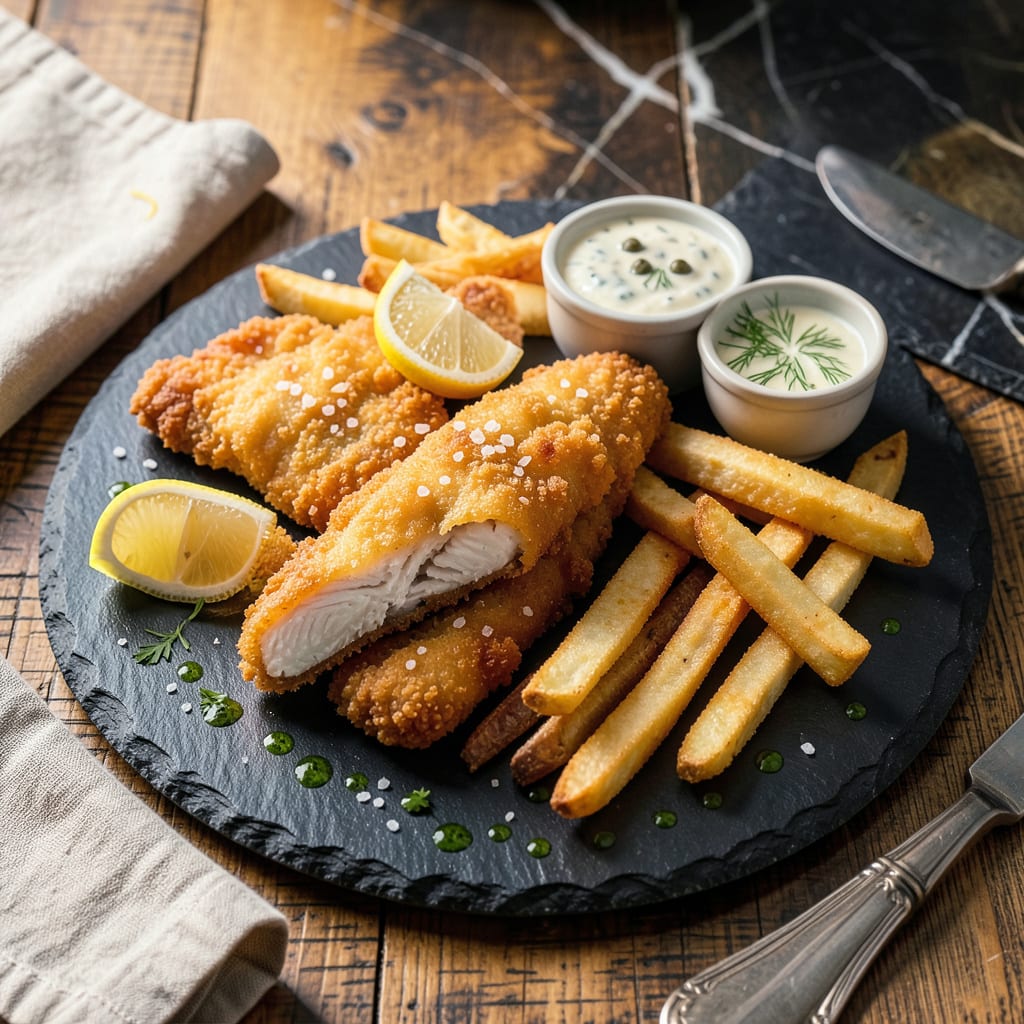
I’ll be real with you: deep-frying frozen fish fillets can go from golden perfection to soggy disaster in seconds. But after burning through more batches than I’d like to admit (and nearly setting off my smoke alarm), I cracked the code for crispy, restaurant-quality results every time—no thawing required.
Here’s the thing—most home cooks overcomplicate it. You don’t need fancy equipment or hours of prep. Just 350°F oil, a simple coating trick I picked up from coastal fish shacks, and about 10 minutes total. The secret? Working with the ice crystals in frozen fillets to create steam that actually helps crisp up that crust.
What you’ll get is flaky fish inside with a shatteringly golden crust outside—exactly what you’re looking for when that fried fish craving hits. I serve mine with tartar sauce and lemon wedges, but honestly, these fillets are so good they don’t need much. The crispiness speaks for itself.
Fair warning: once you nail this technique, you’ll never go back to thawing first. The texture difference is that dramatic. Let’s get that oil heating—your perfect fish fry is minutes away.
📚 In This Guide
- What You’ll Need
- Instructions
- Tips and Common Mistakes
What Youll Need
- ● Frozen fish fillets – 4–6 fillets (any white fish like cod, haddock, or tilapia; ~6 oz each). ❄️
- ● Neutral oil – 4–6 cups (vegetable, canola, or peanut oil; enough for 2–3 inches in your fryer/pot).
- ● All-purpose flour – 1 cup (for dredging; or sub cornstarch for extra crispiness).
- ● Seasonings – 1 tsp each salt, black pepper, paprika, or garlic powder (adjust to taste).
- ● Deep fryer or heavy pot (5–6 quart capacity; Dutch ovens work great!).
- ● Slotted spoon or tongs (for safe fish handling).
- ● Paper towels – 1 roll (to drain excess oil).
- ○ Wire rack + baking sheet (optional; keeps fillets crispy post-fry).
- ● Candy/deep-fry thermometer (critical for oil temp—350°F–375°F is ideal!). 🌡️
- ● Kitchen timer (or smartphone; 3–5 minutes per batch). ⏰
- ● Beer batter mix (for a pub-style crust).
- ● Lemon wedges (for serving). 🍋
- ● Tartar sauce or aioli (homemade or store-bought).
Instructions
Here’s how to achieve that perfect golden crust with frozen fish fillets—quick, easy, and foolproof.
Prepare the Oil and Equipment
Fill a deep, heavy-bottomed pot or Dutch oven with 2-3 inches of vegetable or peanut oil. I prefer peanut oil for its high smoke point and neutral flavor, but vegetable oil works perfectly fine too. The pot should be large enough to accommodate the fillets without crowding—this ensures even cooking and prevents the oil temperature from dropping too much.
Attach a deep-fry thermometer to the side of the pot and heat the oil over medium-high heat until it reaches 350°F. While the oil heats, set up a wire rack over a baking sheet or line a plate with paper towels. This will be your draining station for the cooked fillets. Never skip this step—it keeps your fish crispy instead of soggy.
Prep the Frozen Fillets
Remove the frozen fish fillets from the package and let them sit at room temperature for 5 minutes. This brief thawing period helps the breading adhere better and prevents the fillets from lowering the oil temperature too drastically. Don’t skip this step, but don’t let them thaw completely either—you want them to remain very cold when they hit the oil.
If your fillets are particularly thick, you might want to gently separate any that are stuck together. However, avoid handling them too much, as this can cause the breading to flake off. The goal is to keep the existing breading intact while ensuring even cooking. No need to season or add anything—the breading is already perfectly seasoned from the factory.
Fry the Fillets to Golden Perfection
Once the oil reaches 350°F, carefully lower 2-3 fillets into the oil using tongs or a slotted spoon. Don’t overcrowd the pot—this causes the oil temperature to drop too much, resulting in greasy instead of crispy fish. The oil should bubble actively around the fillets, but not violently. If it’s too aggressive, your oil is too hot; if it’s sluggish, the oil isn’t hot enough.
Fry the fillets for 4-5 minutes, turning them halfway through with tongs. You’re looking for a deep golden-brown color and a crispy texture. The fillets should float to the surface when they’re nearly done. If you’re unsure, you can check the internal temperature—it should read 145°F when fully cooked. Remove the fillets with tongs or a slotted spoon and transfer them to your prepared draining station.
Rest and Serve Immediately
Let the fried fillets rest for 2-3 minutes on the wire rack or paper towels. This brief resting period allows the crust to set completely and any excess oil to drip away. If you’ve fried them properly, the fillets should have an audible crunch when bitten into, with flaky, moist fish inside. The contrast between the crispy exterior and tender interior is what makes this dish so satisfying.
Serve the fillets immediately while they’re still hot and crispy. I like to pair them with tartar sauce and lemon wedges for that classic fish fry experience. If you need to keep them warm for a few minutes, place them on a wire rack in a 200°F oven—this prevents the crust from getting soggy. Remember, the secret to perfect fried fish is serving it fresh out of the fryer!
Tips and Common Mistakes
Perfectly crispy fish starts with understanding these key details that make all the difference.
Oil Temperature Control: Maintaining that 350°F oil temperature in Step 3 is everything. If the oil drops below this when you add the fillets, you’ll end up with greasy rather than crispy fish. I use a clip-on deep-fry thermometer and adjust the heat as needed to keep it steady. Between us, this is where most home cooks go wrong—they don’t monitor the temperature closely enough.
The 5-Minute Rule: That brief 5-minute thaw in Step 2 might seem insignificant, but it’s crucial. The fillets need to be cold enough to create that instant crust when they hit the oil, but not so frozen that they shock the oil temperature. I’ve found this sweet spot prevents the breading from falling off while ensuring even cooking throughout.
Frying Technique: When frying for 4-5 minutes in Step 3, resist the urge to constantly move the fillets. Let them cook undisturbed for about 2 minutes before turning. This gives the crust time to set properly. The fillets should float when they’re nearly done—a sure sign they’re cooking evenly. Trust me, patience here pays off with that perfect crunch.
Draining Station: The wire rack setup mentioned in Step 1 isn’t just for show. Placing fried fillets directly on paper towels can make the bottom crust soggy. The rack allows air circulation on all sides, keeping everything crispy while excess oil drips away during those 2-3 minutes of resting time.
Pro Tips for Deep Fry Frozen Fish Fillets
- Perfectly crispy fish starts with understanding these key details that make all the difference.
- Oil Temperature Control: Maintaining that 350°F oil temperature in Step 3 is everything. If the oil drops below this …
- The 5-Minute Rule: That brief 5-minute thaw in Step 2 might seem insignificant, but it’s crucial. The fillets need to…
Frequently Asked Questions
Can I deep fry fish fillets straight from frozen without thawing?
Yes! Frozen fillets can go straight into hot oil (350–375°F) for a crispy crust. No thawing needed—just add 1–2 extra minutes to the cooking time. Pat excess ice crystals with a paper towel first to prevent oil splatter.
How long does it take to deep fry frozen fish fillets?
Typically 3–5 minutes, depending on thickness. Thin fillets (½-inch) cook in ~3 minutes; thicker cuts (1-inch) may need 5. Golden-brown color and internal temp of 145°F signal doneness. Use a timer to avoid overcooking!
What’s the best oil for deep frying frozen fish?
Opt for oils with high smoke points: peanut, canola, or vegetable oil. Avoid olive oil—it burns at frying temps. For extra flavor, try a light sesame oil blend (20% max). Always heat oil to 350–375°F before adding fish.
Why does my frozen fish fall apart when frying?
Common causes:
- Oil temp too low (fish absorbs oil instead of crisping)
- Overcrowding the fryer (leads to uneven cooking)
- Excess moisture on fillets (pat dry first!)
Are there healthier alternatives to deep frying frozen fish?
Try:
- Air frying (400°F, 10–12 mins, spray with oil)
- Oven-baking (425°F, 15–20 mins, flip halfway)
- Pan-searing (medium-high heat, 3–4 mins per side)
Deep-frying frozen fish fillets is easier than you think—just follow the right steps for a crispy, golden crust every time! 🍽️ Whether you’re whipping up a quick dinner or feeding a crowd, this method saves time without sacrificing flavor. Now that you’ve mastered the basics, why not experiment? Try different batters, seasonings, or dipping sauces to make it your own. Ready to get frying? Grab your favorite fillets and check the essentials to start cooking like a pro!

Trained in classic French technique but raised on slow-cooked ribs and spicy rubs, she blends culinary skill with smoke and soul.
- Recipe for Boneless Pork Chops in Cast Iron Skillet: Sear and Baste to Juicy Perfection - October 3, 2026
- Recipe for Boneless Cross Rib Roast: Slow-Roasted Beef with Herb Crust - October 3, 2026
- Hamburgers in Sauce Recipe Crock Pot: Slow-Cooked Savory Delight - October 3, 2026