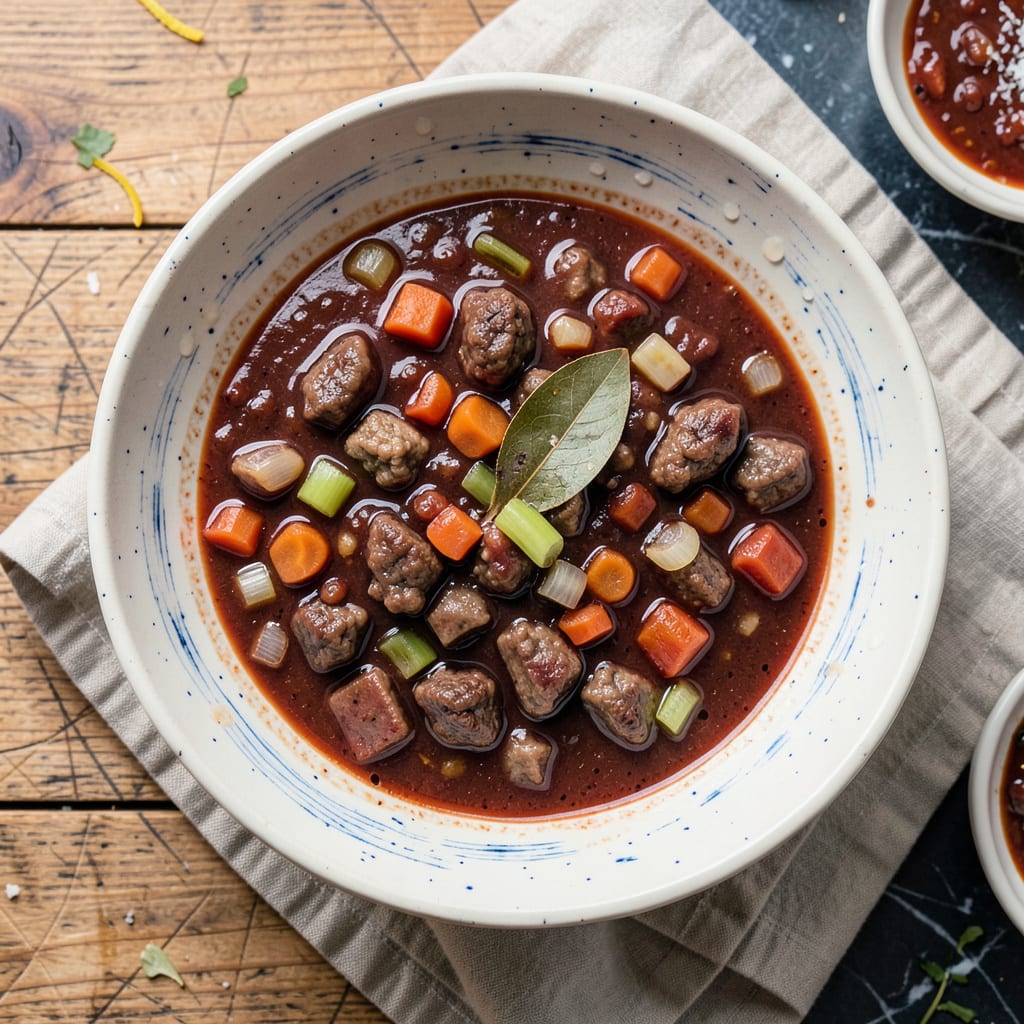
Nothing beats pulling a container of homemade bolognese from the freezer—except when you defrost it wrong and end up with a watery, flavorless mess. I’ve ruined more than my share of frozen sauces by rushing the process, but here’s the thing: with the right technique, your bolognese can taste just as rich and meaty as the day you made it.
The key is patience and method. Whether you’re thawing overnight in the fridge or using the cold water bath trick, timing matters. I always add a splash of broth or a knob of butter when reheating—it revives the sauce’s body and depth. No one wants dry, clumpy bolognese after all that effort.
What you’re left with is a sauce that still clings to pasta perfectly, with all those slow-cooked flavors intact. The meat stays tender, the tomatoes keep their brightness, and the herbs wake up with just a little fresh basil or parsley stirred in at the end.
Serve it over pappardelle, layer it into lasagna, or spoon it onto creamy polenta. Leftovers? They’ll keep another 3-4 days in the fridge—if they last that long. Here’s how to do it right.
📚 In This Guide
- What You’ll Need
- Instructions
- Tips and Common Mistakes
What Youll Need
- ● Frozen Bolognese sauce – 1 portion (typically 1–2 cups per serving, stored in an airtight container or freezer bag) ❄️
- ● Microwave-safe container – With lid (for even defrosting; glass or BPA-free plastic preferred)
- ● Spoon or spatula – For stirring and breaking up ice crystals
- ● Microwave – 800W or higher for efficient defrosting (or a stovetop + pot if microwaving isn’t an option)
- ○ Water – ½ cup (optional, for stovetop defrosting to prevent sticking)
- ○ Thermometer – Instant-read (optional, to check internal temp reaches 165°F for safety)
- ● Plastic wrap or splash guard – To cover the container and avoid messy splatters
- ● Timer – Your phone or kitchen timer to track defrosting intervals
- ○ Fresh herbs – Basil or parsley (optional, to garnish and refresh flavors post-defrost)
- ● Pasta or bread – For serving (because what’s Bolognese without carbs? 🍝)
Instructions
Here’s the method I use every time to defrost bolognese while keeping all that rich, meaty flavor intact.
Transfer from Freezer to Refrigerator
Move your frozen bolognese from the freezer to the refrigerator at least 12 hours before you plan to use it. I always place it in a bowl or on a plate to catch any condensation that might form as it thaws. This slow thawing method is the safest way to preserve texture and prevent bacterial growth.
For a standard 4-serving portion, I find that 12-14 hours is perfect. If you’re dealing with a larger batch, you might need up to 24 hours. The key is patience—rushing this step can lead to uneven thawing and potential hot spots that could start cooking the sauce prematurely.
Check for Complete Thawing
After the refrigeration time, give the container a gentle shake. You’re looking for the sauce to move freely—if there are still frozen chunks in the center, it needs more time. I like to press the surface lightly with a spoon; it should give way easily without any icy resistance.
If you’re short on time and need to speed this up slightly, you can place the sealed container in a bowl of cold water for 30-45 minutes. Never use warm or hot water, as this can start cooking the edges of the sauce while the center remains frozen. The water should stay cold to the touch throughout.
Reheat Gently on the Stovetop
Transfer the thawed bolognese to a saucepan and add 2-3 tablespoons of water or broth to help loosen the sauce. Heat over low to medium-low—you want a gentle simmer, not a rolling boil. I start with the heat on medium-low and adjust as needed.
Stir frequently with a wooden spoon, scraping the bottom to prevent sticking. You’ll notice the sauce gradually becoming more fluid as it warms. This should take about 10-15 minutes for a standard batch. The sauce is ready when it’s heated through and small bubbles form around the edges of the pan.
Adjust Consistency and Seasoning
Once fully heated, you might find the sauce is thicker than when you originally made it. This is normal after freezing and thawing. I like to add a splash of water, broth, or even milk to bring it back to the perfect consistency. Add liquid 1 tablespoon at a time, stirring well after each addition.
Taste and adjust the seasoning if needed. Sometimes flavors can mellow during freezing, so you might want to add a pinch of salt or pepper. If the sauce tastes flat, a splash of red wine or a sprinkle of Parmesan cheese can help revive those rich, deep flavors that make bolognese so special.
Serve Immediately for Best Results
Bolognese is always best served fresh from the pot. I like to let it sit off the heat for 2-3 minutes after reheating—this allows the flavors to meld together one final time. The sauce should coat the back of a spoon and have a rich, glossy appearance.
If you’re serving with pasta, toss the cooked noodles directly in the saucepan with a bit of the pasta water. This helps the sauce cling beautifully to each strand. For lasagna or other baked dishes, you can use the thawed bolognese immediately in your recipe—no additional adjustments needed.
Tips and Common Mistakes
Here’s what I’ve learned from years of defrosting bolognese without losing that rich, meaty flavor we all love.
Thawing Timing: The 12-14 hours mentioned in Step 1 is crucial for even thawing. I’ve found that transferring the bolognese from freezer to fridge right before bed works perfectly for dinner the next day. For larger batches, don’t rush the 24-hour mark—this slow thaw prevents the meat fibers from breaking down and keeps the sauce velvety. Trust me, patience here prevents that grainy texture that happens when you force-thaw.
Cold Water Method: When using the 30-45 minute cold water bath in Step 2, make sure your container is completely sealed. I double-check the lid and even wrap it in plastic wrap sometimes. The water should stay cold—if it feels even slightly warm to your wrist, change it out. This method works in a pinch, but I always go back to the fridge method when possible for the most consistent results.
Reheating Technique: In Step 3, that gentle simmer over low to medium-low heat is everything. I start at medium-low and adjust down if I see bubbles forming too quickly. The 10-15 minutes isn’t just about heating—it’s about letting the flavors wake up. Stirring frequently with a wooden spoon (as mentioned) prevents scorching and helps redistribute those meaty bits that settle during freezing.
Consistency Check: After reheating, don’t skip the 2-3 minute rest in Step 5. This is when the sauce reaches its perfect consistency. I test it by dipping a spoon in—if it coats the back smoothly and leaves a clean line when I run my finger through it, it’s ready. That glossy appearance means all the flavors have redistributed beautifully.
Pro Tips for Defrosting Bolognese
- Here’s what I’ve learned from years of defrosting bolognese without losing that rich, meaty flavor we all love.
- Thawing Timing: The 12-14 hours mentioned in Step 1 is crucial for even thawing. I’ve found that transferring the bol…
- Cold Water Method: When using the 30-45 minute cold water bath in Step 2, make sure your container is completely seal…
Frequently Asked Questions
How long does it take to defrost Bolognese in the fridge?
Defrosting in the fridge is the safest method and typically takes 12–24 hours for a standard 2–4 cup portion. Larger batches may need up to 36 hours. Plan ahead—this slow method keeps flavors intact and prevents bacterial growth. Pro tip: Place it on a plate to catch any condensation!
Can I defrost Bolognese in the microwave? If so, how?
Yes! Use the defrost setting (or 30% power) in 1–2 minute bursts, stirring between each. A 2-cup portion usually takes 5–8 minutes total. Cook immediately after microwaving to avoid uneven heating or food safety risks. Avoid this for large batches—it can turn meat grainy.
What’s the fastest way to defrost Bolognese without a microwave?
Try the cold water bath method: Seal the Bolognese in a leak-proof bag and submerge it in cold water (change water every 30 mins). A 2-cup portion thaws in 1–2 hours. Never use warm/hot water—it promotes bacterial growth on the outer layers while the inside stays frozen.
My defrosted Bolognese looks watery—did I do something wrong?
Nope! This is normal. Freezing breaks down cell structures, releasing moisture. Simply simmer it uncovered for 5–10 minutes to evaporate excess liquid and restore thickness. Stir occasionally to prevent sticking. If needed, mix in 1 tsp of tomato paste or cornstarch slurry.
Can I refreeze Bolognese after defrosting?
Technically yes, but not recommended. Each freeze-thaw cycle degrades texture and flavor. If you must, reheat it to 165°F (74°C) first, then cool rapidly before refreezing. For best quality, portion before freezing to avoid this issue!
Defrosting bolognese the right way ensures that every bite stays as rich and flavorful as the day you made it! 🍝 Whether you choose the fridge, cold water, or microwave method, the key is patience and proper technique to avoid texture or taste mishaps. Now that you’re equipped with the know-how, why not plan your next meal? Thaw a batch tonight and pair it with fresh pasta, creamy polenta, or even a loaded baked potato—your taste buds will thank you!

Trained in classic French technique but raised on slow-cooked ribs and spicy rubs, she blends culinary skill with smoke and soul.
- Recipe for Boneless Pork Chops in Cast Iron Skillet: Sear and Baste to Juicy Perfection - October 3, 2026
- Recipe for Boneless Cross Rib Roast: Slow-Roasted Beef with Herb Crust - October 3, 2026
- Hamburgers in Sauce Recipe Crock Pot: Slow-Cooked Savory Delight - October 3, 2026