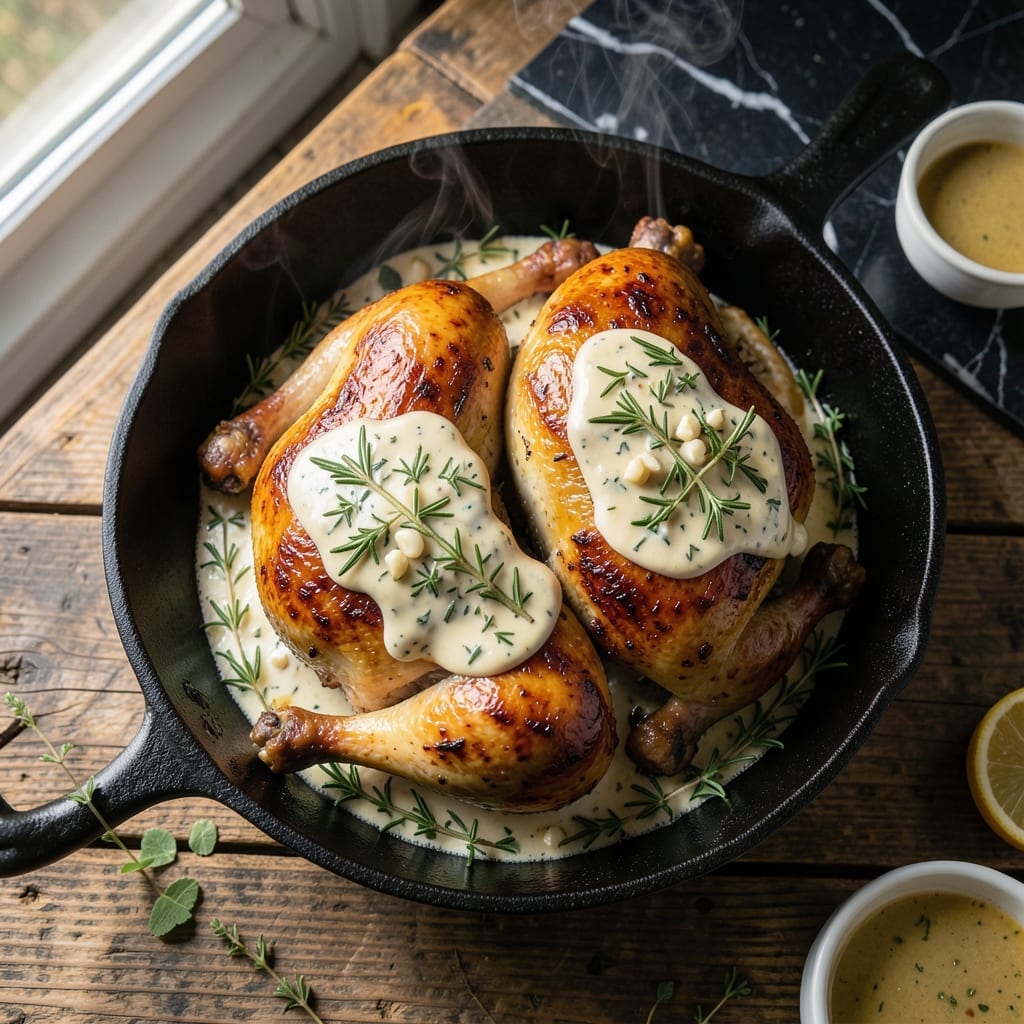
This herb-roasted Cornish hen delivers the tender results that made Dixie Stampede famous. The secret lies in a simple but precise technique.
I’ve adapted this method from traditional pitmaster approaches, using a blend of fresh herbs and careful roasting to achieve fall-off-the-bone texture. The bird stays juicy while developing a golden, aromatic crust.
What sets this dish apart is the balance of simplicity and sophistication—no complicated steps, just foolproof results. The herbs infuse every bite with robust flavor.
Serve it with classic sides for a meal that feels like a special occasion. This recipe brings the magic of Dixie Stampede to your kitchen.
Ingredients for Dixie Stampede Cornish Hen
Fresh herbs, tender birds, and a few pantry staples create this showstopping roasted dish.
| Ingredient | Amount | Notes |
|---|---|---|
| Cornish Hens 🍗 | 4 whole | Thawed if frozen, patted dry |
| Unsalted Butter 🧈 | ½ cup | Softened to room temperature |
| Fresh Rosemary 🌿 | 2 tbsp | Finely chopped, stems discarded |
| Fresh Thyme 🍃 | 2 tbsp | Leaves stripped from stems |
| Fresh Sage 🍃 | 1 tbsp | Finely minced for even distribution |
| Garlic Cloves 🧄 | 6 cloves | Peeled and minced |
| Kosher Salt 🧂 | 2 tsp | Diamond Crystal preferred for texture |
| Ground Black Pepper 🌶️ | 1 tsp | Freshly cracked for best flavor |
| Lemon 🍋 | 1 whole | Zested and juiced |
| Olive Oil 🫒 | 2 tbsp | Extra-virgin for herb infusion |
| Yellow Onion 🧅 | 1 whole | Medium dice for aromatic base |
| Carrots 🥕 | 3 whole | Peeled and cut into sticks |
| Celery Stalks 🌿 | 2 whole | Cut into 2-inch pieces |
| Chicken Stock 💧 | ½ cup | Low-sodium preferred for control |
[recipe_ingredient_scaler]
The Cornish hens are the star—look for plump, pale birds (about 1.25 lbs each) at Whole Foods or specialty butchers. Fresh herbs are non-negotiable for that Dixie Stampede aromatic intensity. If your market’s herbs look sad, Trader Joe’s or a local farmers market will have better options. The butter should be high-quality (I prefer Plugrá), as its fat content affects the crust formation.
No fresh rosemary? Dried at one-third the amount, but rehydrate in warm water first. Thyme and sage can be swapped for marjoram or oregano in a pinch. Garlic powder at half the quantity works if you’re out of fresh, but the flavor won’t be as bright. For the stock, homemade is ideal, but Swanson’s low-sodium is a reliable store-bought option. Skip the pre-minced garlic—it lacks punch.
Prep the hens up to a day ahead (keep them uncovered in the fridge to dry the skin). The herb butter can be mixed 2 days in advance. Roasted leftovers keep 3-4 days refrigerated, but this dish is best served fresh from the oven. Reheat gently to avoid drying out the meat.
Why You’ll Love This Recipe
- One Pan Magic: I love that the hens roast right alongside the herbs and butter—just pop it in the oven and walk away.
- Herb Infused Bliss: That trio of rosemary, thyme, and sage with butter? It makes the Cornish hens taste like they’ve been slow-roasted all day.
- Company Ready: Honestly, it looks fancy enough for Sunday dinner but takes less effort than a weeknight casserole.
- Leftovers for Days: One hen feeds two, so I always have extra for sandwiches or salads the next day.
Step-by-Step Instructions for Herb-Roasted Cornish Hens
Master these steps to achieve perfectly tender meat with crisp, golden skin.
Step 1: Prepare the Herb Butter and Season the Hens
In a small bowl, combine the 0.5 cup Unsalted Butter with the 2 tbsp Fresh Rosemary, 2 tbsp Fresh Thyme, 1 tbsp Fresh Sage, 6 cloves Garlic Cloves, 2 tsp Kosher Salt, and 1 tsp Ground Black Pepper. Mix thoroughly until the herbs and garlic are evenly distributed throughout the softened butter.
Pat the 4 whole Cornish Hens completely dry with paper towels, inside and out. This step is crucial for achieving crisp skin. Gently separate the skin from the breast meat on each hen and rub about 1 tablespoon of the herb butter underneath the skin of each breast.
Rub the remaining herb butter all over the outside of each hen, including the legs and wings. Zest the 1 whole Lemon and sprinkle the zest evenly over the hens.
Step 2: Prepare the Aromatic Base and Truss
Preheat your oven to 425°F. In a large roasting pan, combine the 1 whole Yellow Onion, 3 whole Carrots, and 2 whole Celery Stalks to create an aromatic base. These vegetables will infuse flavor into the hens as they roast and prevent them from sticking to the pan.
Place each hen breast-side up on the bed of vegetables. Tuck the wings under the bodies and tie the legs together with kitchen twine to maintain a compact shape. This ensures even cooking and presentation.
Step 3: Roast to Golden Perfection
Pour the 0.5 cup Chicken Stock into the bottom of the roasting pan, being careful not to wash off the herb butter from the hens. Drizzle the 2 tbsp Olive Oil over the hens and vegetables. This adds extra richness and helps the skin crisp.
Place the roasting pan in the preheated oven and roast for 25 minutes. Then reduce the oven temperature to 375°F and continue roasting for an additional 25-30 minutes, or until the internal temperature reaches 165°F when measured in the thickest part of the thigh.
The hens are done when the skin is deep golden brown and crisp, and the juices run clear when you pierce the thickest part of the thigh with a knife.
Step 4: Rest and Serve
Transfer the hens to a cutting board and let them rest for 10-15 minutes before carving. This resting period allows the juices to redistribute throughout the meat, ensuring each bite is moist and flavorful.
Carve each hen in half lengthwise or separate into quarters, depending on your preference. Arrange the hens on a serving platter with the roasted vegetables and drizzle with any pan juices. Squeeze a bit of lemon juice over the top just before serving for a bright finish.
Pro Tips For Making Dixie Stampede Cornish Hen
- Preheat the Oven High: Start at 425°F for the first 20 minutes to get that skin crispy, then drop to 375°F to cook through—I learned this the hard way after serving undercooked hens to my in-laws.
- Butter Under Skin: Slide about 1 tablespoon of softened unsalted butter under the skin of each hen before seasoning—it bastes from the inside out and keeps the meat juicy.
- Skip Dried Herbs: Fresh rosemary, thyme, and sage are non-negotiable here; dried just can’t deliver that bright, piney aroma that makes this dish taste like the real deal.
- Rest Before Carving: Tent the hens with foil and let them rest 10 minutes after roasting—it locks in the juices and makes carving a lot less messy (yes, even if you’re impatient like me).
Flavor Customization for This Dish
Smoky BBQ Twist
For a pitmaster’s touch, add 1 tsp smoked paprika and ½ tsp cayenne to your herb butter. I also brush the hens with 2 tbsp hickory-smoked BBQ sauce during the last 10 minutes of roasting. This reminds me of my first backyard cookout. 🔥
Citrus Herb Variation
Boost the bright flavors by adding 1 tbsp orange zest and 1 tbsp honey to the herb butter. The citrus pairs beautifully with the rosemary and thyme. Drizzle with extra honey and lemon juice before serving for a glossy finish.
Spicy Garlic Kick
Increase the garlic to 8 cloves and add 1 tsp red pepper flakes to the butter. For extra heat, include 1 finely chopped jalapeño in the cavity. This variation brings the warmth I love from local BBQ competitions.
Mediterranean Infusion
Mix in 1 tsp dried oregano and ½ tsp ground cumin with your herbs. Stuff each hen with 2 lemon wedges and 3 olives. The aromatic blend transports this dish to the coasts I ride along.
Sweet and Savory Glaze
In the last 15 minutes, brush hens with a mix of 2 tbsp apricot jam and 1 tbsp Dijon mustard. The glaze caramelizes beautifully, adding a sticky, tangy layer that complements the herbs.
Fresh Herb Garnish
Before serving, sprinkle with 2 tbsp chopped parsley and 1 tbsp chives. I often forage wild chives near my coastal rides for an extra fresh, oniony bite. This finish makes the dish pop visually and flavor-wise. ✨
Nutrition Facts
Frequently Asked Questions
Can I use dried herbs instead of fresh?
Yes, but use 1/3 the amount and rehydrate in warm water first. Fresh herbs provide brighter flavor, but dried work in a pinch. The texture won’t be identical but the taste remains robust.
What’s the best way to check doneness?
Use a meat thermometer inserted into the thickest part of the thigh. It should read 165°F. If you don’t have one, pierce the thigh—juices should run clear, not pink.
Can I prepare this ahead of time?
Pat the hens dry and season with herb butter up to 1 day ahead. Keep uncovered in the fridge to dry the skin. The herb butter can be made 2 days in advance.
What if the skin isn’t crispy enough?
For extra crispiness, broil for 2-3 minutes at the end, watching closely. Ensure the hens are dry before roasting and use extra-virgin olive oil for better browning.

Trained in classic French technique but raised on slow-cooked ribs and spicy rubs, she blends culinary skill with smoke and soul.
- Recipe for Boneless Pork Chops in Cast Iron Skillet: Sear and Baste to Juicy Perfection - October 3, 2026
- Recipe for Boneless Cross Rib Roast: Slow-Roasted Beef with Herb Crust - October 3, 2026
- Hamburgers in Sauce Recipe Crock Pot: Slow-Cooked Savory Delight - October 3, 2026