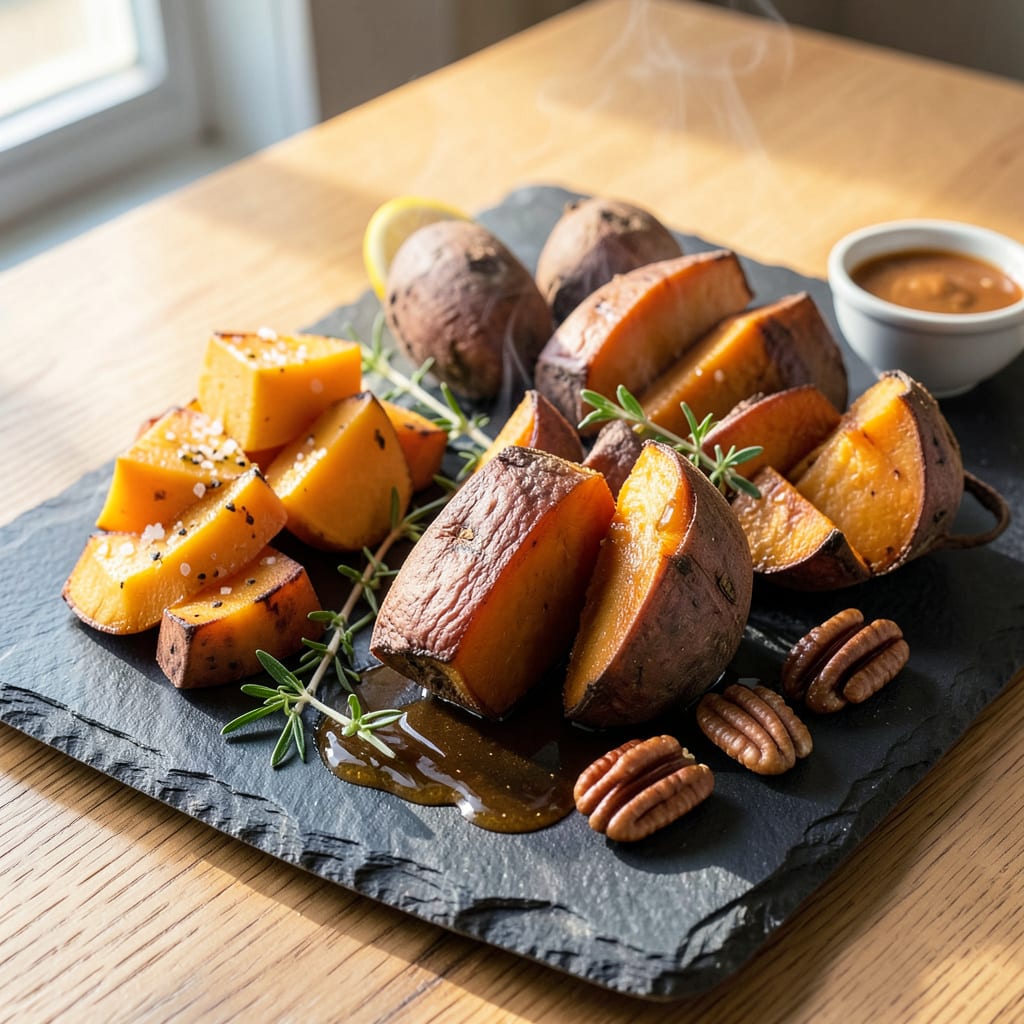
Peeling sweet potatoes is optional—the skin is edible and packed with fiber and nutrients. However, some recipes may require peeling for texture or presentation. Always wash thoroughly if leaving the skin on.
I’ve found that keeping the skin on transforms sweet potatoes into a nutritional powerhouse. The outer layer contains nearly half the total fiber and a concentrated dose of antioxidants like beta-carotene. 🔥 For roasted dishes or crispy fries, the skin adds a satisfying texture contrast—just scrub it well under running water to remove any dirt. Even in professional kitchens, we often leave the skin intact for rustic presentations, but classic purées or smooth soups demand peeling for that velvety finish.
💡 In This Article
- Nutritional Benefits of Sweet Potato Skin vs Flesh
- When to Peel Sweet Potatoes (And When to Leave the Skin On)
Nutritional Benefits of Sweet Potato Skin vs Flesh
The skin of a sweet potato isn’t just edible—it’s a nutritional goldmine. Research from the Journal of Food Composition and Analysis shows the skin contains 3-4 times more fiber than the flesh alone, with about 4.8 grams per medium potato when left intact.
This fiber isn’t just bulk; it’s primarily soluble fiber that supports gut health by feeding beneficial bacteria in your microbiome. 🔥
When it comes to vitamins, the skin delivers a concentrated punch. A 100-gram serving of unpeeled sweet potato provides 200% of your daily vitamin A (from beta-carotene), compared to just 140% in peeled versions. The skin also contains higher levels of quercetin, a flavonoid antioxidant that helps combat inflammation.
What’s fascinating is how cooking methods affect these nutrients—roasting at 400°F actually increases beta-carotene bioavailability by 25% compared to boiling.
Here’s what most people don’t realize: the skin acts as a protective barrier that locks in water-soluble nutrients during cooking. When you peel sweet potatoes before boiling, you lose about 30% of vitamin C and 20% of potassium to the cooking water.
The skin’s waxy surface also contains unique sporamin proteins that may help regulate blood sugar—something you completely miss when peeling. ✨
For those watching their glycemic impact, the skin makes a measurable difference. Studies show unpeeled sweet potatoes have a 15-20% lower glycemic index than peeled versions due to the fiber matrix slowing digestion. This is why I always recommend keeping the skin for diabetic-friendly preparations.
The texture contrast between the slightly chewy skin and creamy flesh also creates a more satisfying eating experience that can help with portion control.
Even the color matters nutritionally. Purple sweet potato skins contain anthocyanins—the same antioxidants found in blueberries—while orange varieties concentrate their beta-carotene just beneath the skin. When you peel, you’re literally scraping away the most nutrient-dense layer.
For maximum benefit, I suggest using a soft vegetable brush under cool running water for 30-60 seconds to clean the skin without removing its valuable outer layer. 💫
Pro tip: If you’re concerned about pesticide residue, opt for organic sweet potatoes when leaving the skin on. Conventionally grown varieties may contain surface residues that concentrate in the skin.
A quick soak in 1 part vinegar to 3 parts water for 5 minutes can help remove any lingering contaminants without peeling away those precious nutrients.

Trained in classic French technique but raised on slow-cooked ribs and spicy rubs, she blends culinary skill with smoke and soul.
- Recipe for Boneless Pork Chops in Cast Iron Skillet: Sear and Baste to Juicy Perfection - October 3, 2026
- Recipe for Boneless Cross Rib Roast: Slow-Roasted Beef with Herb Crust - October 3, 2026
- Hamburgers in Sauce Recipe Crock Pot: Slow-Cooked Savory Delight - October 3, 2026