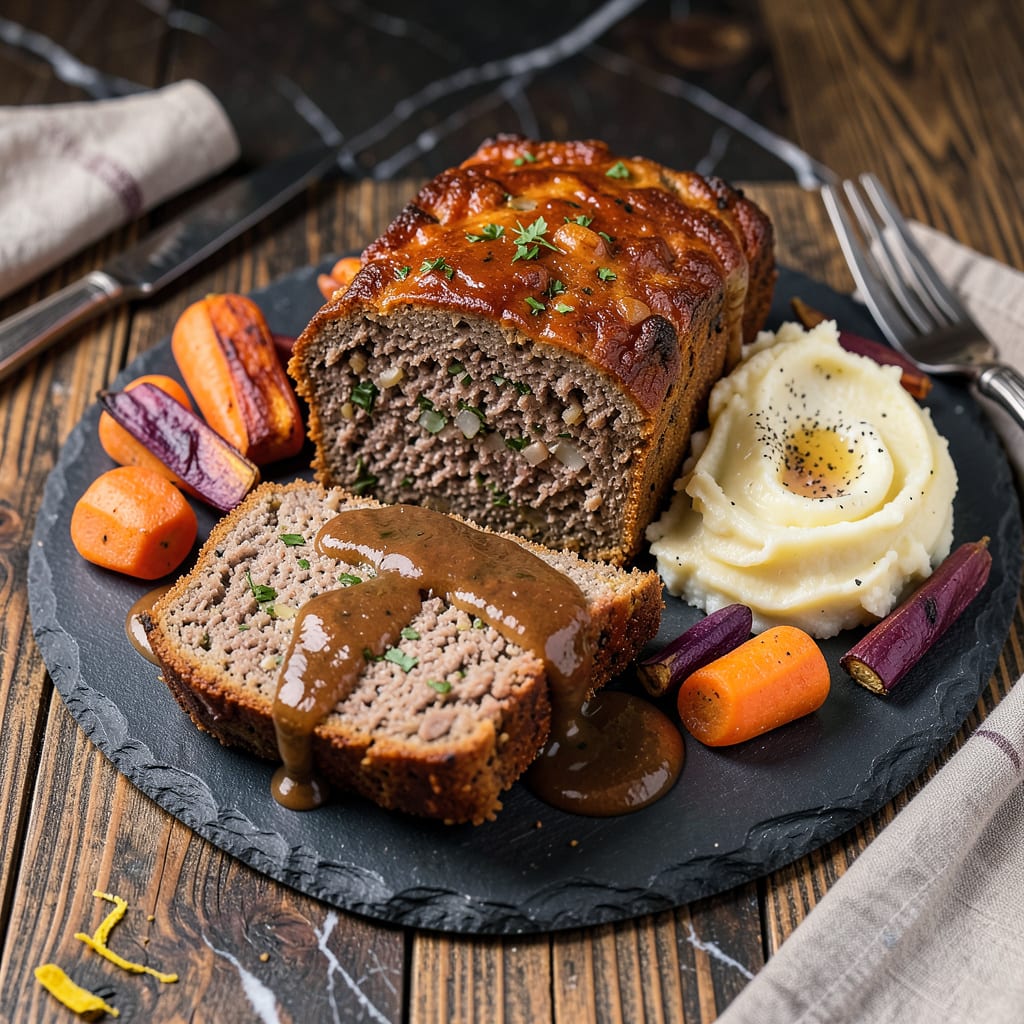
Eggs aren’t absolutely necessary for meatloaf—they act as a binder, but you can replace them with alternatives like breadcrumbs, mashed potatoes, or flaxseed mixed with water. The key is maintaining moisture and structure in the mixture.
I’ve tested countless meatloaf variations in my kitchen, and here’s what I’ve learned: the magic isn’t in the eggs themselves, but in how they hold everything together. 🔥 When you remove them, you’re essentially taking away the glue that keeps your meatloaf from crumbling. That’s why I always recommend adding an extra ¼ cup of liquid (like broth or tomato sauce) when using substitutes—it compensates for the lost moisture eggs would’ve provided.
What most home cooks don’t realize is that eggs also contribute to that classic meatloaf texture we all love. Without them, you’ll need to adjust your expectations slightly—substitutes like mashed potatoes create a denser loaf, while flaxseed gives a slightly nutty flavor. The secret is experimenting to find what works best for your taste preferences and dietary needs. ✨
💡 In This Article
- How Eggs Function as a Meatloaf Binder
- Best Egg Substitutes for Meatloaf Recipes
How Eggs Function as a Meatloaf Binder
The science behind eggs in meatloaf is all about protein coagulation. When heated, the proteins in eggs unravel and then re-bond, creating a network that traps moisture and binds ingredients together. This transformation happens at around 144°F, which is why your meatloaf holds its shape after baking.
Without this protein matrix, you’d end up with a crumbly mess instead of a sliceable loaf.
Eggs also contribute to moisture retention in two key ways. First, their liquid content (about 3 tablespoons per large egg) keeps the meat mixture from drying out during cooking. Second, the coagulated proteins form tiny pockets that hold onto juices, preventing them from evaporating too quickly.
This is why classic recipes often call for 1-2 eggs per pound of meat—it’s the sweet spot for structure without making the loaf rubbery.
What most cooks overlook is how eggs affect the final texture. The proteins create a tender yet firm structure that gives meatloaf its characteristic “sliceability.” When you bite into a well-made meatloaf, you’re experiencing that perfect balance of moisture and cohesion that eggs provide.
🔥 Without them, you’ll need to compensate with other binders that can mimic this dual role of moisture retention and structural support.
The fat in egg yolks plays an underappreciated role too. With about 5 grams of fat per large egg, yolks add richness that leaner binders can’t match. This fat helps carry flavors throughout the loaf and contributes to that satisfying mouthfeel we associate with comfort food.
It’s why egg-based meatloaves often taste more luxurious than their egg-free counterparts.
Temperature control becomes even more critical when using eggs. Cook your meatloaf to 160°F internal temperature, and you’ll notice the eggs have set perfectly—firm enough to hold the loaf together but not so tight that the texture becomes dense. This precise balance is what makes traditional meatloaf so reliably delicious across countless family recipes.
Here’s a pro tip from my test kitchen: if you’re using eggs, whisk them lightly before adding to the meat mixture. This ensures even distribution of the proteins throughout the loaf, preventing pockets of egginess in some bites and dry spots in others.
✨ The difference in uniform texture is noticeable, especially in larger meatloaves where ingredient distribution can be uneven.

Trained in classic French technique but raised on slow-cooked ribs and spicy rubs, she blends culinary skill with smoke and soul.
- Recipe for Boneless Pork Chops in Cast Iron Skillet: Sear and Baste to Juicy Perfection - October 3, 2026
- Recipe for Boneless Cross Rib Roast: Slow-Roasted Beef with Herb Crust - October 3, 2026
- Hamburgers in Sauce Recipe Crock Pot: Slow-Cooked Savory Delight - October 3, 2026