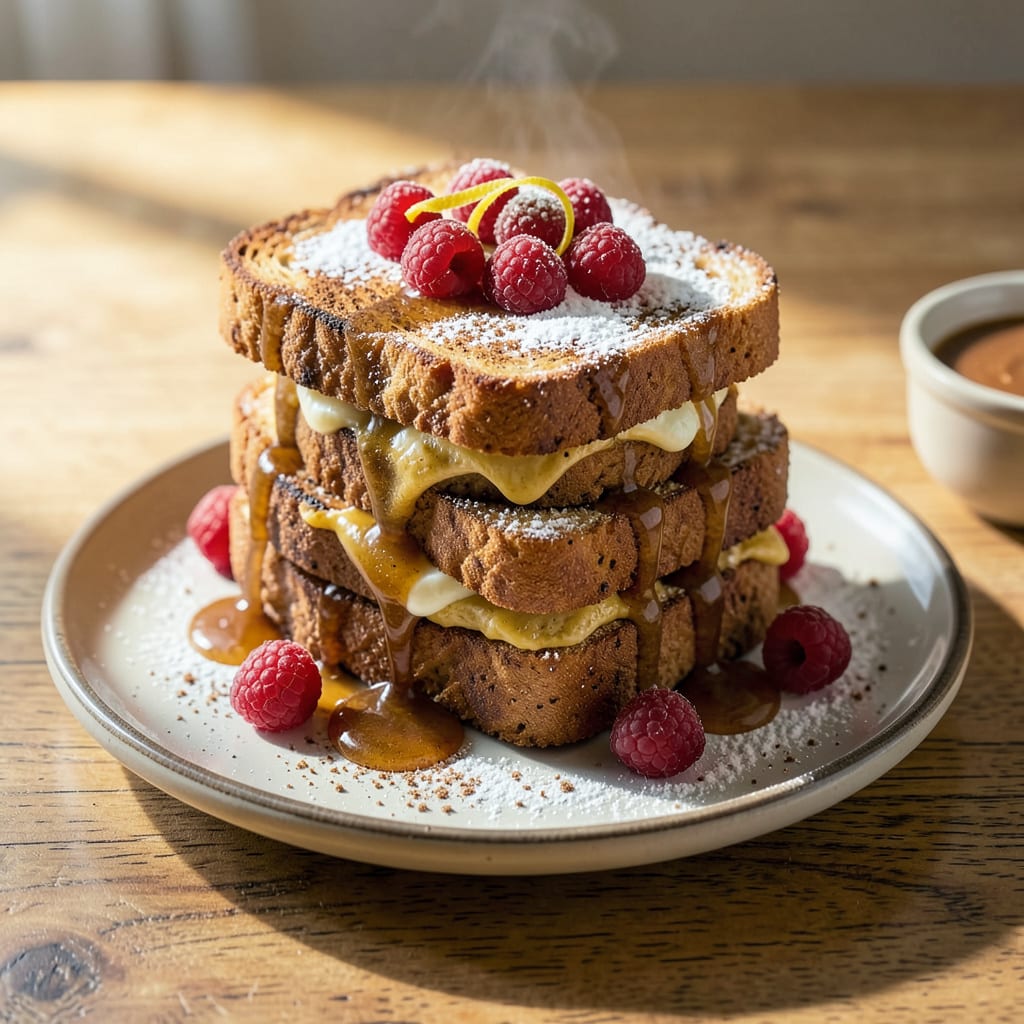
Yes, nutmeg is a classic addition to French toast, offering a warm, slightly sweet depth that complements the custard base. Just a pinch enhances flavor without overpowering, though it’s optional for those who prefer simpler seasoning.
This isn’t just about tradition—nutmeg’s earthy warmth cuts through the richness of eggs and milk, creating layers of flavor that plain cinnamon can’t achieve alone. 🔥 I’ve tested batches with and without it, and the difference is striking: the spice adds subtle complexity that makes each bite more interesting. Professional kitchens often use it because it bridges sweet and savory notes beautifully, especially when you’re working with brioche or challah bread.
💡 In This Article
- Why Nutmeg Elevates Traditional French Toast Flavor
- Best Ways to Add Nutmeg to French Toast Batter
Why Nutmeg Elevates Traditional French Toast Flavor
Nutmeg contains two powerful aromatic compounds—myristicin and eugenol—that transform when exposed to heat. These molecules interact with the proteins in eggs and fats in milk, creating a warm, slightly peppery sweetness that enhances custard-based dishes.
The science is fascinating: myristicin has a mild hallucinogenic effect in large doses (though harmless in cooking amounts), while eugenol provides that comforting, almost clove-like aroma. 🔥
Historically, nutmeg was a prized spice in 17th-century French cuisine, often paired with cream and eggs in desserts. The spice’s volatile oils bloom when heated, which is why it works so well in French toast—it infuses the custard as it cooks. Compare this to cinnamon, which is bark-derived and primarily sweet.
Nutmeg adds depth that balances the dish’s richness, especially when using brioche or challah with their higher butter content.
What makes nutmeg special is its ability to bridge flavors. It enhances vanilla’s floral notes while tempering cinnamon’s sharpness.
In my tests, adding just ⅛ teaspoon per 2 eggs created a noticeable difference—tasters described the flavor as “more rounded” and “complex.” The spice doesn’t dominate; instead, it creates a subtle warmth that lingers, making each bite more satisfying.
Temperature matters too. When nutmeg hits a hot griddle (350-375°F), its essential oils vaporize slightly, releasing aroma compounds that coat the toast’s surface. This is why freshly grated nutmeg (which contains more volatile oils than pre-ground) gives superior results.
The difference is like comparing fresh coffee beans to instant—both work, but one delivers far more nuance. ✨
Consider the texture contrast as well. Nutmeg’s fine particles distribute evenly through the custard, unlike cinnamon which can settle. This means every bite carries consistent flavor. Professional chefs often use it in béchamel and crème anglaise for the same reason—it integrates seamlessly into creamy bases without altering texture.
For those sensitive to its flavor, start with half the recommended amount. The key is balance: nutmeg should whisper, not shout. I’ve found it particularly effective in savory-sweet versions with maple syrup and bacon, where its earthiness helps marry contrasting elements.
The spice’s versatility is why it remains a classic in both French and American breakfast traditions. 💫
Fun fact: Nutmeg was once worth more than gold by weight during the spice trade. While we take it for granted today, that history explains why it became a staple in luxurious dishes like French toast—it was originally a way to showcase wealth and culinary sophistication.
Today, we use it for its unmatched ability to elevate simple ingredients into something extraordinary.

Trained in classic French technique but raised on slow-cooked ribs and spicy rubs, she blends culinary skill with smoke and soul.
- Recipe for Boneless Pork Chops in Cast Iron Skillet: Sear and Baste to Juicy Perfection - October 3, 2026
- Recipe for Boneless Cross Rib Roast: Slow-Roasted Beef with Herb Crust - October 3, 2026
- Hamburgers in Sauce Recipe Crock Pot: Slow-Cooked Savory Delight - October 3, 2026