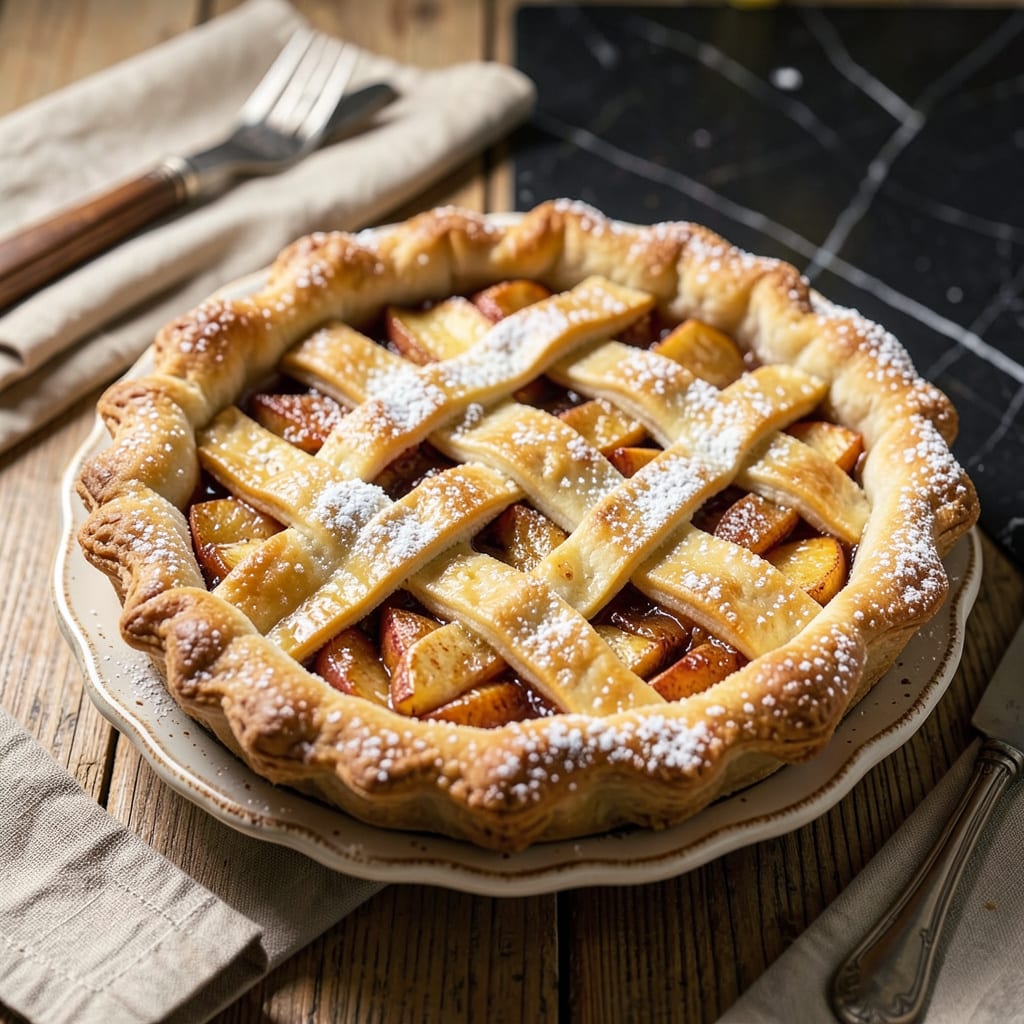
Most frozen pie crusts require thawing for 10-15 minutes at room temperature before baking to prevent cracking and ensure even cooking. Always check package instructions, as some no-bake or pre-baked recipes may differ.
I’ve learned the hard way that rushing this step often leads to disaster. 🔥 The thawing process allows the dough to relax and reach the ideal consistency for rolling or shaping—critical for achieving that flaky, golden finish we all love. What many don’t realize is that frozen crusts contain moisture that needs to redistribute evenly; otherwise, you risk steam pockets forming during baking, which can create unsightly bubbles or separation.
In my kitchen, I treat this as a non-negotiable step, especially when working with delicate fillings like custards or fruit compotes. The difference between a properly thawed crust and one straight from the freezer is night and day—think crisp, uniform layers versus a dense, uneven base that might not hold its shape.
💡 In This Article
- Why Thawing Pie Crust Affects Baking Performance
- Step-by-Step Guide to Thawing and Prepping Frozen Pie Crust
Why Thawing Pie Crust Affects Baking Performance
When you pull a frozen pie crust from the freezer, the gluten strands are tight and brittle from the cold. Thawing for 10-15 minutes at room temperature relaxes these proteins, allowing them to stretch properly during baking. Without this step, the dough fights back—cracking along the edges or shrinking away from the pie dish.
🔥 The ideal temperature for gluten relaxation is around 60°F, where the dough becomes pliable but not sticky.
The moisture distribution is equally critical. Frozen crusts contain ice crystals that need time to melt and redistribute evenly. If baked from frozen, these crystals turn to steam too quickly, creating pockets that separate the crust layers.
I’ve seen this firsthand with all-butter crusts—they develop unsightly air gaps when rushed, while properly thawed versions maintain their delicate, flaky structure. Shortening-based crusts are slightly more forgiving, but still benefit from gradual thawing.
Here’s what happens in the oven: A thawed crust browns uniformly because the butter or shortening melts at a controlled rate. Frozen dough, however, has cold spots that cause uneven browning—some areas may burn while others remain pale.
The difference is especially noticeable with fruit pies, where the bottom crust needs to crisp before the filling releases too much juice. 💛 A properly thawed base creates that perfect barrier between filling and crust.
Temperature also affects how the crust interacts with fillings. Custard pies (like pumpkin or pecan) require a thawed crust to prevent the filling from seeping into the dough before it sets.
I once skipped thawing for a quiche and ended up with a soggy bottom layer—the egg mixture absorbed into the cold dough before it could firm up. The science is clear: 30-40°F (freezer temp) to 68-72°F (room temp) transition is non-negotiable for structural integrity.
Different fats behave uniquely during thawing:
- All-butter crusts: Need full 15 minutes to soften the milk fats
- Shortening-based: Can thaw slightly faster (10 minutes) due to higher melting point
- Lard crusts: Require careful handling as they soften quickly at room temp
The thawing process also activates the crust’s leavening agents (if present).
Many store-bought crusts contain small amounts of baking powder that need moisture to work properly. Straight from the freezer, these agents remain dormant, resulting in a denser final product. ✨ That’s why my grandmother always said, “Let it wake up before it bakes”—wise words that prevent disappointing results.
For blind-baked crusts, thawing becomes even more crucial. The docking (fork-pricking) process requires pliable dough to prevent excessive puffing. I’ve found that partially thawed crusts tear when docked, while properly softened ones accept the pricks cleanly. This small step makes a massive difference in achieving that crisp, even base for cream pies or chocolate fillings.

Trained in classic French technique but raised on slow-cooked ribs and spicy rubs, she blends culinary skill with smoke and soul.
- Recipe for Boneless Pork Chops in Cast Iron Skillet: Sear and Baste to Juicy Perfection - October 3, 2026
- Recipe for Boneless Cross Rib Roast: Slow-Roasted Beef with Herb Crust - October 3, 2026
- Hamburgers in Sauce Recipe Crock Pot: Slow-Cooked Savory Delight - October 3, 2026