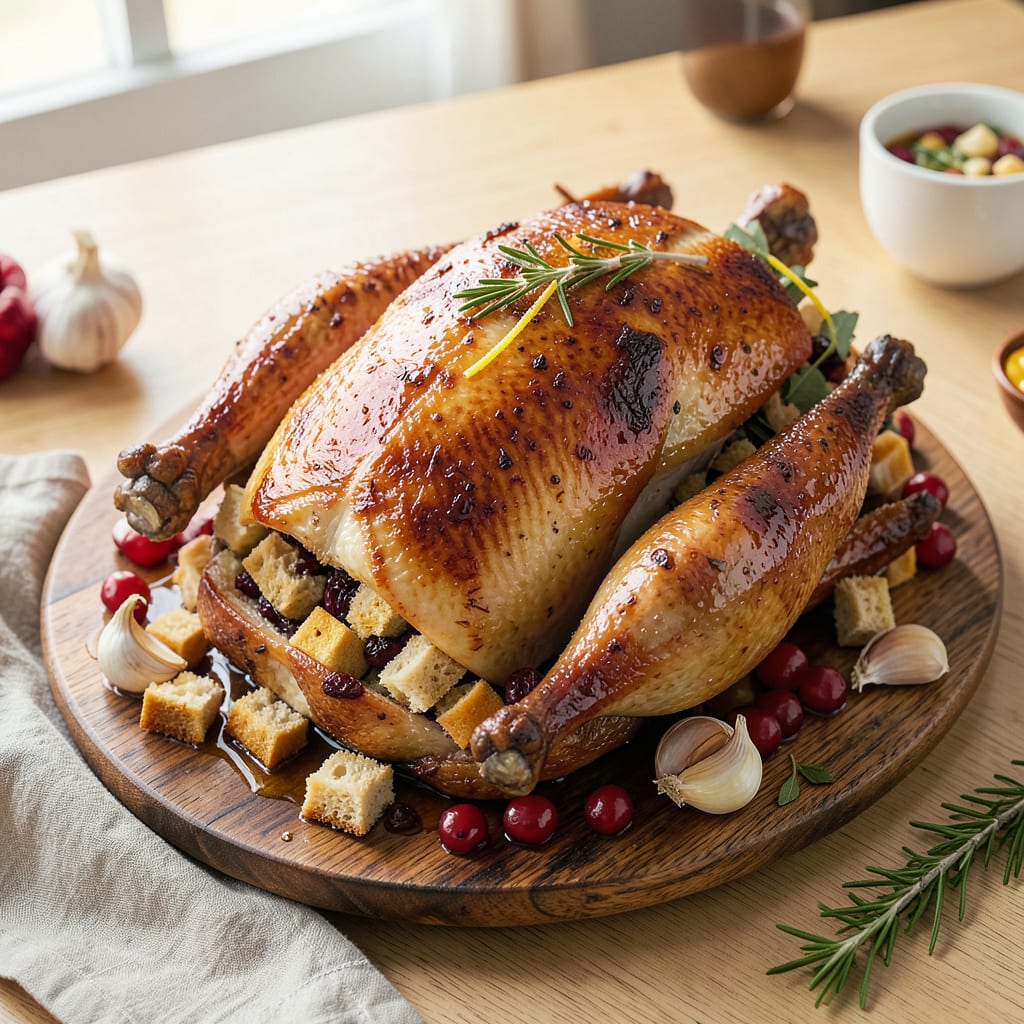
Costco typically carries fresh whole turkeys seasonally, especially around Thanksgiving and Christmas. Availability varies by location, with frozen options offered year-round. Prices are competitive, often below grocery store averages.
I’ve noticed Costco’s fresh turkey supply follows the holiday demand curve, with warehouses stocking up as early as October for Thanksgiving prep. 🔥 Their partnership with major poultry producers ensures consistent quality, though I always recommend calling your local store to confirm fresh stock—some regions get shipments earlier than others. The frozen alternatives maintain that same quality but give you flexibility to plan ahead without worrying about sell-outs during peak shopping weeks.
What sets Costco apart is their bulk pricing advantage—you’re often paying $1.50-$2.50 per pound for fresh turkeys, which beats most supermarkets. ✨ I’ve also spotted organic and heritage breed options in select locations, though those sell out fastest. Pro tip: Check the use-by dates on fresh turkeys to maximize your prep window.
💡 In This Article
- Costco Fresh Turkey Seasonal Availability and Sourcing
- How to Buy and Store Costco Turkeys for Holiday Meals
Costco Fresh Turkey Seasonal Availability and Sourcing
The seasonal nature of Costco’s fresh turkey supply ties directly to their farm partnerships and processing cycles. Most turkeys arrive fresh in warehouses during October-November because producers time their flocks to reach ideal 16-24 pound weights just before Thanksgiving.
This isn’t random—it takes about 24-26 weeks to raise a turkey to market size, so hatcheries coordinate breeding schedules to meet holiday demand. 🌟 Costco works with major suppliers like Butterball and Jennie-O who operate on these precise timelines.
Regional distribution centers receive shipments in waves based on historical sales data. Northern states often get first allocations in early October, while Southern locations might see full stock by late October. The freshness window is typically 7-10 days from processing date—you’ll find this clearly labeled on the packaging.
Unlike frozen turkeys that can be stored indefinitely at 0°F, fresh birds must be sold within this narrow window, which is why you won’t see them year-round.
What most shoppers don’t realize is that Costco’s frozen turkeys are often the same birds, just processed and flash-frozen at peak freshness. The difference lies in the brining solution—fresh turkeys usually contain minimal added moisture (about 3-5%), while frozen versions may include up to 8% to prevent freezer burn.
This affects both price per pound and cooking yield, which I’ll explain more in the storage section.
The supply chain gets particularly interesting with organic and heritage breeds. These specialty turkeys require 20-30% longer growing periods and smaller farm operations, which is why they appear in limited quantities at select locations.
I’ve noticed the organic options hit shelves about 2 weeks before conventional fresh turkeys, likely due to their slower growth rates and premium processing requirements.
Here’s a pro tip from my butcher connections: Costco’s fresh turkey orders to farms are placed nearly a year in advance. This means the 2024 Thanksgiving turkeys were likely contracted in December 2023! Such long-term planning ensures consistent quality but also explains why sudden demand surges can lead to sellouts.
The warehouses receive daily delivery updates, so calling your local store’s meat department after 10 AM (when most inventory systems update) gives you the most accurate stock information. 🔥
Temperature control during transport is another critical factor. Fresh turkeys must be maintained at 28-32°F from processing plant to store—Costco uses refrigerated trucks with real-time temperature monitoring. Any deviation above 40°F for more than 2 hours can compromise quality, which is why you’ll sometimes see delayed stock if weather conditions affect shipping routes.
The packaging tells a story too. Fresh turkeys come in breathable plastic wrap that allows minimal oxygen exchange to prevent bacterial growth, while frozen birds use heavy-duty cryovac sealing. This packaging difference is why fresh turkeys have that characteristic “just-processed” aroma when you first unwrap them—it’s the natural turkey scent without any freezer absorption. ✨

Trained in classic French technique but raised on slow-cooked ribs and spicy rubs, she blends culinary skill with smoke and soul.
- Recipe for Boneless Pork Chops in Cast Iron Skillet: Sear and Baste to Juicy Perfection - October 3, 2026
- Recipe for Boneless Cross Rib Roast: Slow-Roasted Beef with Herb Crust - October 3, 2026
- Hamburgers in Sauce Recipe Crock Pot: Slow-Cooked Savory Delight - October 3, 2026