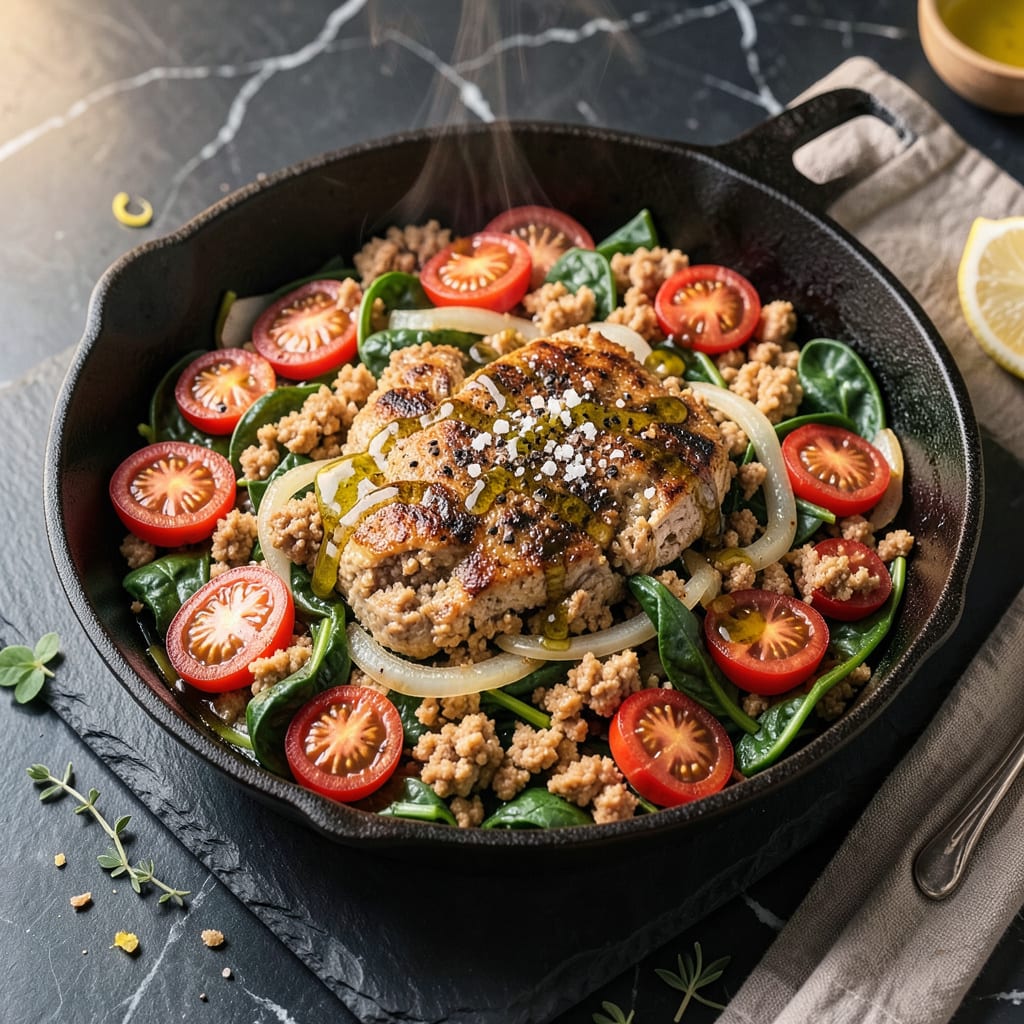
Ground turkey doesn’t always need oil because it contains natural fats, but adding a small amount prevents sticking and enhances browning—especially for lean varieties. Use 1-2 teaspoons for best texture and flavor.
I’ve cooked ground turkey hundreds of times, and the secret lies in understanding its fat content. 🔥 Lean turkey (93% or higher) tends to dry out and cling to the pan, while regular 85/15 blends often release enough fat to self-baste. The right oil—like avocado or light olive oil—creates that golden crust without overpowering the meat’s natural flavor.
What most home cooks miss is how oil impacts texture beyond just preventing sticking. A thin layer helps conduct heat evenly, giving you crispy edges while keeping the interior juicy. I always heat the pan first, then add oil just before the turkey—this mimics restaurant techniques for perfect results every time. ✨
💡 In This Article
- Why Ground Turkey’s Fat Content Affects Cooking Needs
- Best Oils and Techniques for Cooking Ground Turkey
Why Ground Turkey’s Fat Content Affects Cooking Needs
Ground turkey comes in different fat percentages, and this directly impacts whether you need oil. Regular ground turkey (85% lean/15% fat) contains enough natural fat to lubricate the pan during cooking, releasing juices that prevent sticking. However, lean varieties (93% lean/7% fat or higher) have significantly less fat—often too little to create that protective layer.
Without added oil, lean turkey can dry out and cling to the pan, losing moisture and flavor.
The science behind this lies in how fat renders during cooking. At 325-350°F, the fat in regular turkey melts and coats the pan, creating a natural non-stick surface. Lean turkey lacks this fat buffer, so the proteins bond directly to the pan’s surface, causing sticking.
Adding 1-2 teaspoons of oil mimics the effect of natural fat, ensuring even browning and preventing the meat from drying out. 🔥
Fat content also affects texture. Regular turkey’s fat renders slowly, basting the meat as it cooks and keeping it tender. Lean turkey, without this fat, can become dense and mealy. A light oil coating helps conduct heat evenly, promoting Maillard reactions (the chemical process behind browning) that enhance flavor.
This is why restaurants often use a touch of oil even with fattier meats—to guarantee consistent results.
Here’s what I’ve observed in my own cooking: lean turkey benefits most from oil, but even regular turkey can use a light coating for better browning. The key is balance—too much oil makes the dish greasy, while too little leaves you with dry, stuck-on bits.
For lean turkey, I recommend avocado oil (high smoke point) or light olive oil (neutral flavor) to achieve that perfect sear without overpowering the meat’s natural taste. ✨
Another factor to consider is the cooking method. For pan-searing, oil is almost always beneficial, but for ground turkey in sauces or soups, the added liquid may reduce the need for oil. In those cases, the natural moisture from the sauce compensates for the lack of fat, allowing you to skip the oil entirely.
However, if you’re aiming for crispy edges—like in tacos or meatballs—a small amount of oil makes all the difference.
Pro tip: If you’re unsure whether your turkey needs oil, do a quick test. Heat the pan to medium-high, add the turkey, and observe. If it sticks immediately, remove it, add 1 teaspoon of oil, and try again. This simple trick helps you gauge the fat content and adjust on the fly. 💫

Trained in classic French technique but raised on slow-cooked ribs and spicy rubs, she blends culinary skill with smoke and soul.
- Recipe for Boneless Pork Chops in Cast Iron Skillet: Sear and Baste to Juicy Perfection - October 3, 2026
- Recipe for Boneless Cross Rib Roast: Slow-Roasted Beef with Herb Crust - October 3, 2026
- Hamburgers in Sauce Recipe Crock Pot: Slow-Cooked Savory Delight - October 3, 2026