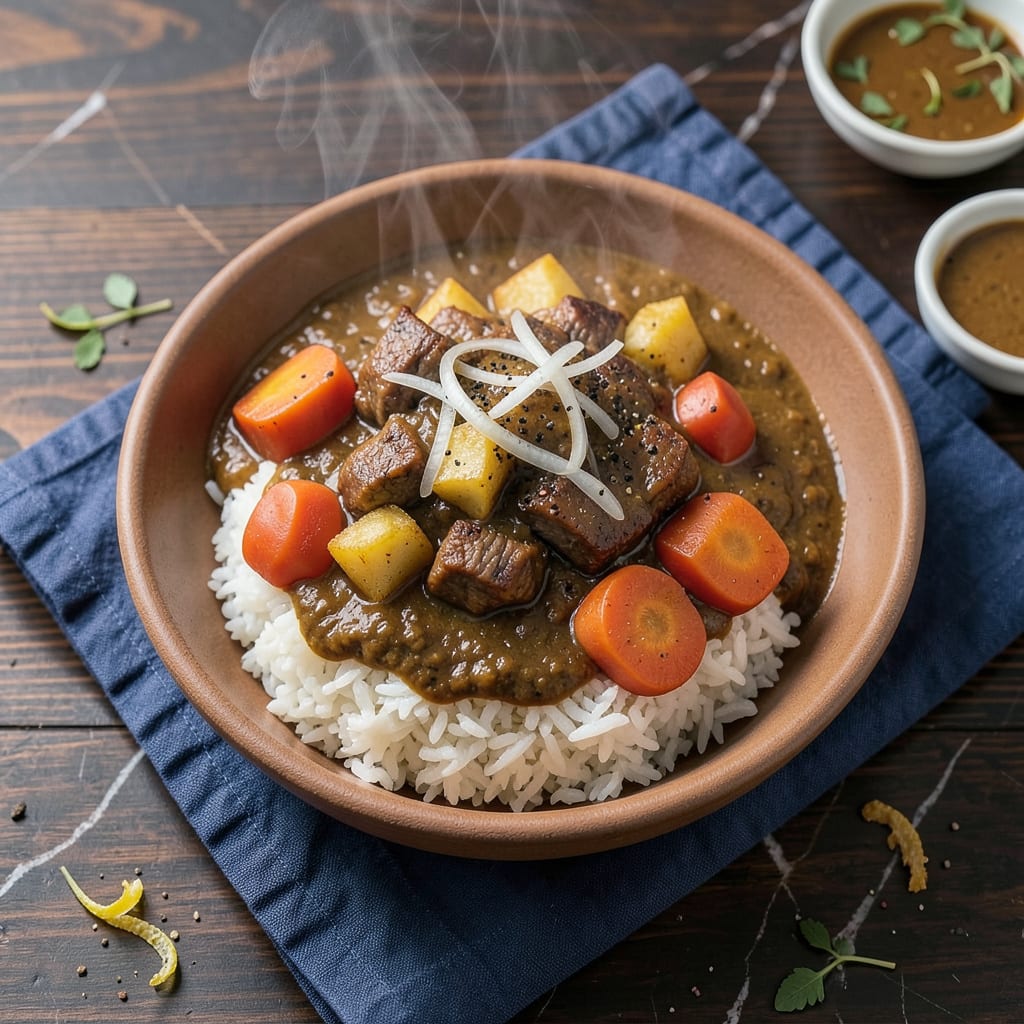
Traditional Japanese curry is dairy-free, made with a roux of flour, oil, and spices. However, some modern recipes or instant mixes may include milk powder or butter—always check labels for dairy derivatives.
This classic dish traces its roots to British-style curry adapted for Japanese palates, where dairy was never a staple ingredient. 🌿 The signature thick, velvety texture comes from the roux—a cooked blend of fat and flour—rather than cream or butter. That said, I’ve noticed some convenience versions now add dairy for richness, so vigilance is key if you’re avoiding it. The good news? Authentic homemade versions and many store-bought options remain naturally dairy-free when you stick to the basics.
💡 In This Article
- Traditional Japanese Curry Roux and Dairy-Free Ingredients
- Hidden Dairy in Store-Bought Japanese Curry Mixes
Traditional Japanese Curry Roux and Dairy-Free Ingredients
The foundation of authentic Japanese curry lies in its roux—a cooked mixture of equal parts flour and fat (traditionally oil or lard) that creates that signature velvety thickness.
Unlike French or Indian curries that often rely on butter or cream, Japanese versions developed during the Meiji era (1868-1912) adapted British naval curry recipes to local tastes. The key was making it rich without dairy, since Japan’s cuisine historically centered on umami from fish, soy, and mushrooms rather than milk products. 🔥
Classic Japanese curry powder blends (like S&B or House Foods) contain about 20-30 spices, including turmeric for color, coriander for warmth, and fenugreek for depth—but zero dairy. The roux itself is just flour and oil cooked to a golden brown (about 5-7 minutes on medium heat), which creates a starch-based thickener.
This gives the curry its glossy, cling-to-the-spoon consistency without needing butter or cream. Compare this to British curries that often finish with a splash of cream or Indian versions that might use ghee.
What’s fascinating is how this dairy-free approach actually enhances the dish’s versatility. The neutral base of flour and oil lets the spices and broth shine, making it easier to pair with everything from potatoes to katsu (breaded cutlets).
I’ve found that when you remove dairy, the umami from ingredients like worcestershire sauce (a common addition) or tonkatsu sauce becomes more pronounced. This is why traditional Japanese curry tastes so balanced—it’s built on layering flavors rather than masking them with richness. ✨
The historical context matters too. When curry was introduced to Japan via British traders, dairy wasn’t part of the average Japanese diet. Even today, Japan’s per capita milk consumption is about 1/3 that of the U.S., so it makes sense that their comfort food version of curry would skip the dairy entirely.
The roux technique was a brilliant adaptation—it gave the hearty, stick-to-your-ribs quality people craved without requiring butter or cream.
For home cooks, this means you can easily recreate authentic dairy-free Japanese curry by sticking to the classic roux method. Use neutral oil (like canola) or even vegetable shortening for a more traditional fat base, and cook your flour until it reaches a peanut butter-like consistency.
The beauty is in the simplicity: no fancy ingredients, just technique and patience. I’ve made countless batches this way, and the texture is always perfect—thick enough to coat a spoon but still pourable. 💫
One pro tip I’ve learned: if you’re worried about richness without dairy, add a spoonful of fruit chutney or a splash of apple juice to your curry. The natural sugars caramelize slightly during cooking, mimicking the depth that cream might add in other curry styles.
This trick works especially well with the slightly sweet profile that Japanese curry is known for.
The takeaway? Traditional Japanese curry is dairy-free by design, not by accident. It’s a testament to how culinary adaptation can create something entirely new and delicious. When you understand the roux technique and the historical context, it becomes clear why dairy was never part of the equation—and why the dish works so beautifully without it.
🌟

Trained in classic French technique but raised on slow-cooked ribs and spicy rubs, she blends culinary skill with smoke and soul.
- Recipe for Boneless Pork Chops in Cast Iron Skillet: Sear and Baste to Juicy Perfection - October 3, 2026
- Recipe for Boneless Cross Rib Roast: Slow-Roasted Beef with Herb Crust - October 3, 2026
- Hamburgers in Sauce Recipe Crock Pot: Slow-Cooked Savory Delight - October 3, 2026