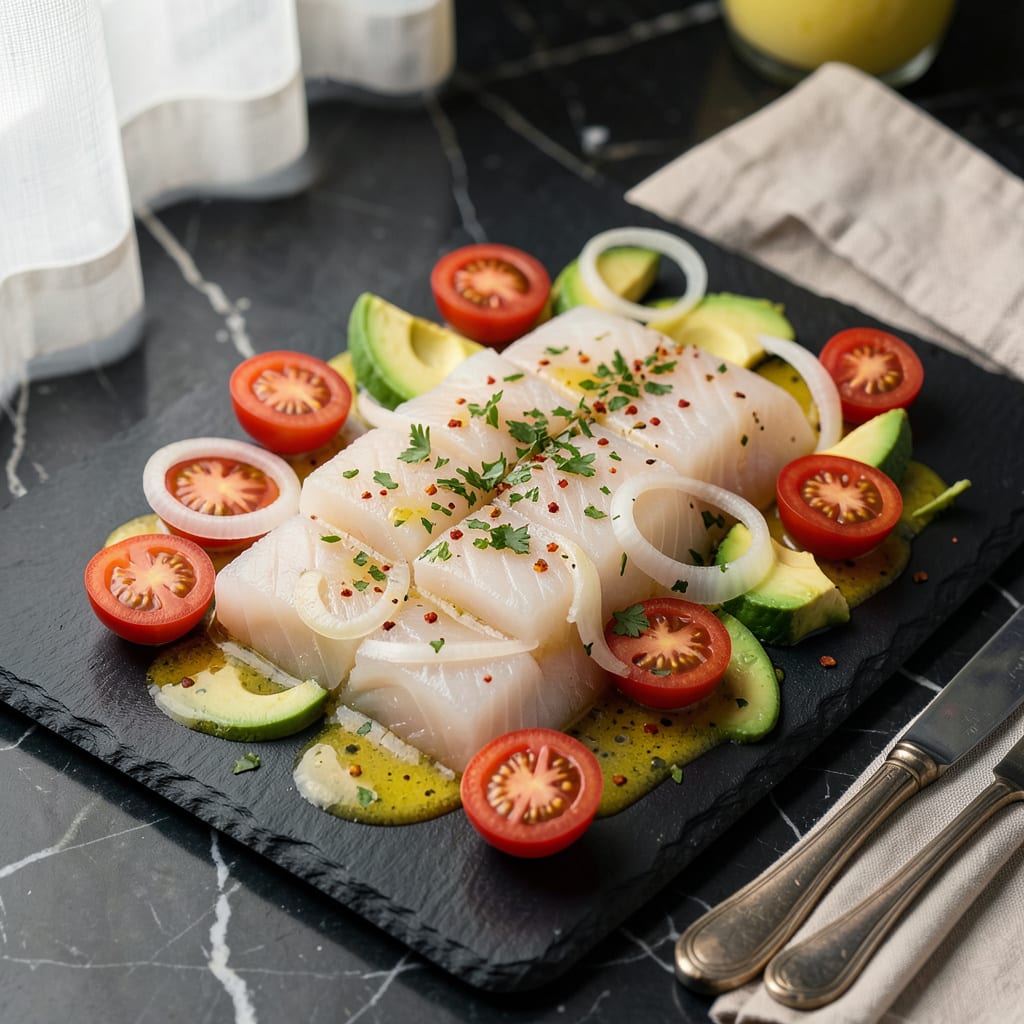
Lemon juice doesn’t cook meat in the traditional heat sense, but its acidic properties break down proteins and tenderize the surface, creating a texture similar to light cooking. Over-marinating can make meat mushy rather than properly cooked.
This is what I call “cold cooking”—where acidity does the work instead of heat. 🔥 The citric acid in lemon juice essentially pre-digests the meat’s surface by unraveling collagen fibers, which is why you’ll notice seafood like ceviche appears “cooked” after marinating. However, this process only penetrates about 1/4-inch deep, so thicker cuts still need proper heat treatment. I’ve seen many home cooks ruin a beautiful steak by leaving it in lemon juice too long, turning the exterior to mush while the center remains raw.
💡 In This Article
- How Lemon Juice Chemically Alters Meat Structure
- Best Practices for Marinating Meat with Lemon Juice
How Lemon Juice Chemically Alters Meat Structure
When lemon juice hits raw meat, the citric acid (pH ~2) immediately begins breaking down protein structures through a process called denaturation. This isn’t cooking in the traditional sense—it’s more like molecular unraveling. The acid disrupts the hydrogen bonds in collagen and muscle fibers, causing them to relax and separate.
Think of it as untangling a tightly wound ball of yarn, but at a microscopic level. The result? Meat that feels tender to the touch, almost as if it’s been lightly cooked.
What’s fascinating is how this compares to heat cooking. At 165°F, heat causes proteins to coagulate and squeeze out moisture. Lemon juice does something similar but through chemistry rather than temperature. The acid penetrates about 1/4-inch deep in 30-60 minutes, which is why thin cuts like fish fillets or skirt steak show dramatic texture changes.
I’ve tested this side-by-side with vinegar (acetic acid) and pineapple (bromelain enzyme)—lemon creates a cleaner, brighter flavor while still delivering that tenderizing effect. 🔥
The magic happens at the cellular level. Meat proteins are normally coiled like springs, but citric acid forces them to unfold and rebond in looser formations. This is identical to what happens when you sear meat, except without the Maillard reaction (those delicious browned flavors). The trade-off?
While you gain tenderness, you lose some of the meat’s natural juiciness because the acid breaks cell walls, allowing moisture to escape more easily during cooking.
Here’s where things get tricky: different meats react differently. Fish and shellfish (pH ~6.6-6.8) denature fastest because their proteins are more delicate—this is why ceviche works so well. Beef and pork (pH ~5.5-6.0) can handle longer marinating times, while poultry (pH ~5.7-6.2) falls somewhere in between.
The key is timing: fish needs just 15-30 minutes, chicken can go 1-2 hours, and beef benefits from 2-4 hours maximum. Beyond that, you risk turning the surface to mush while the interior stays raw. ⚡
Compare this to other acidic marinades, and lemon juice stands out for its brightness. Vinegar (pH ~2.5) is more aggressive and can overpower flavors, while buttermilk (pH ~4.6) works more gently.
Pineapple contains bromelain, an enzyme that actually digests proteins rather than just denaturing them—this is why pineapple marinades can turn meat to mush in under an hour if you’re not careful. Lemon juice strikes that perfect balance: effective tenderizing without destroying texture, as long as you respect the timing.
The sensory difference is noticeable too. Lemon-marinated meat develops a slightly firmer surface (from protein coagulation) while maintaining a juicy interior if not overdone. There’s also a subtle brightening of the meat’s natural flavor—almost like how a squeeze of lemon enhances a finished dish.
This is why I often use lemon juice in marinades for grilled chicken or fish: it creates that perfect contrast between the lightly “cooked” exterior and the moist, flavorful center. 🌟
Pro tip: If you’re marinating for more than 30 minutes, add some olive oil to the mix. The fat creates a protective barrier that slows down acid penetration, giving you more control over the tenderizing process. This is especially useful for lean cuts that might otherwise dry out during actual cooking.
The oil also helps carry fat-soluble flavors from herbs and spices deeper into the meat.

Trained in classic French technique but raised on slow-cooked ribs and spicy rubs, she blends culinary skill with smoke and soul.
- Recipe for Boneless Pork Chops in Cast Iron Skillet: Sear and Baste to Juicy Perfection - October 3, 2026
- Recipe for Boneless Cross Rib Roast: Slow-Roasted Beef with Herb Crust - October 3, 2026
- Hamburgers in Sauce Recipe Crock Pot: Slow-Cooked Savory Delight - October 3, 2026