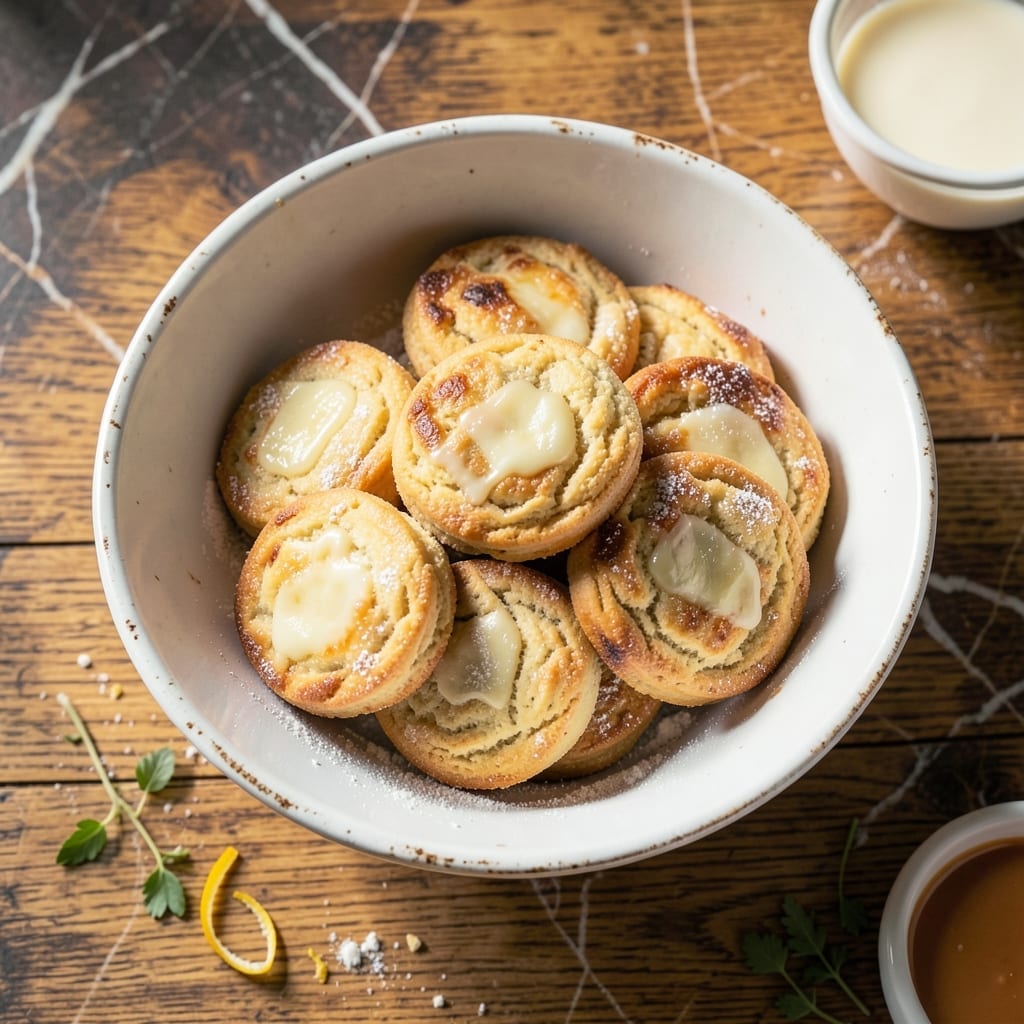
This recipe proves you don’t need milk to achieve flaky, golden biscuits. With just a handful of pantry staples, I’ve perfected a method that delivers tender layers every time. No dairy, no compromise.
The secret lies in cold butter and a gentle touch—overworking the dough is the enemy of flaky results. These biscuits rise high with a crisp exterior and soft interior, using a simple swap that maintains richness.
Ready in under 30 minutes, this is the easy solution for last-minute dinners or weekend brunches. The aroma alone will have everyone gathering at the table.
Serve warm with jam, gravy, or simply butter. This simple approach makes dairy-free baking effortless.
Ingredients for Easy Biscuit Recipe Without Milk
Simple pantry staples create these tender, milk-free biscuits with perfect flaky layers every time.
| Ingredient | Amount | Notes |
|---|---|---|
| All-Purpose Flour 🌾 | 2 cups | Plus extra for dusting surface |
| Baking Powder 🧂 | 1 tbsp | Aluminum-free preferred for best rise |
| Granulated Sugar 🍚 | 1 tsp | Balances acidity and aids browning |
| Salt 🧂 | ½ tsp | Fine sea salt or table salt |
| Cold Unsalted Butter 🧈 | ½ cup | Cut into small cubes, keep chilled |
| Plain Unsweetened Almond Milk 🥛 | ¾ cup | Or other dairy-free milk alternative |
| White Vinegar 💧 | 1 tsp | Creates reaction with baking powder |
| Baking Soda 🧂 | ¼ tsp | Enhances rise and tenderness |
[recipe_ingredient_scaler]
The butter is non-negotiable here—cold and unsalted is key for achieving those coveted flaky layers. I recommend Land O’Lakes or Kerrygold for consistent quality. The flour should be unbleached all-purpose; King Arthur is my go-to for reliability. Measure by spooning into cups rather than scooping directly from the bag to avoid compacting the flour (worth the extra minute).
No almond milk? Oat milk or soy milk work equally well, though coconut milk can add a subtle sweetness. In a pinch, water with a tablespoon of vinegar can substitute, though the richness will be slightly diminished. The vinegar doesn’t add flavor—it reacts with the baking soda for lift. For extra flakiness, freeze the butter for 10 minutes before cutting into the flour.
Store biscuits in an airtight container at room temperature for up to 2 days. For longer storage, freeze baked biscuits for up to 3 months. Reheat in a 350°F oven for 5-10 minutes to restore that fresh-baked texture and aroma.
Why You’ll Love This Recipe
- Five Ingredients Only: I just grab flour, baking powder, sugar, salt and butter—no last-minute milk runs.
- Buttery Layers: Cold butter flakes through every bite, giving that bakery-style richness.
- Breakfast to Dinner: I serve these with jam at dawn, then soup at night—same batch.
- Freezer Friends: Honestly, I double the dough and stash half for lazy mornings.
Step-by-Step Instructions for Easy Biscuits Without Milk
This method ensures tall, flaky layers with minimal effort and maximum reliability.
Step 1: Prepare the Dough Base
In a large mixing bowl, whisk together the 2 cups All-Purpose Flour, 1 tbsp Baking Powder, 1 tsp Granulated Sugar, 0.5 tsp Salt, and 0.25 tsp Baking Soda until evenly combined. This dry mix creates the structure for lift and tenderness, so ensure no lumps remain.
Make a well in the center of the flour mixture. The vinegar will react with the baking powder to create additional lift, so add the 1 tsp White Vinegar to the 0.75 cup Plain Unsweetened Almond Milk and stir gently. This dairy-free buttermilk substitute mimics the acidity needed for perfect texture.
Step 2: Incorporate Cold Butter for Flakiness
Cut the 0.5 cup Cold Unsalted Butter into small cubes and add them to the flour mixture. Using a pastry cutter or your fingertips, work the butter into the flour until the mixture resembles coarse crumbs with pea-sized butter pieces visible. The key to flakiness is keeping the butter cold—don’t overwork it or the biscuits will lose their layers.
Pour the almond milk and vinegar mixture into the well and use a fork to stir just until the dough begins to come together. It will look shaggy, but resist the urge to overmix. Overworking develops gluten, which makes biscuits tough instead of tender.
Step 3: Fold and Shape the Dough
Turn the dough onto a lightly floured surface (use extra All-Purpose Flour for dusting). Gently pat it into a 1-inch thick rectangle. Fold the dough in half like a book, then pat it back down to 1-inch thickness. This lamination step creates the signature flaky layers.
Repeat the folding and patting process one more time. The dough should be smooth but still slightly shaggy. Use a 2.5-inch biscuit cutter to cut out biscuits, pressing straight down without twisting—twisting seals the edges and prevents rise.
Step 4: Bake Until Golden
Preheat your oven to 425°F. Place the biscuits on a parchment-lined baking sheet, ensuring they touch slightly for softer sides or are spaced apart for crispier edges. Brush the tops with a little extra almond milk for browning, if desired.
Bake for 12-15 minutes until the biscuits are golden brown on top and the layers are visible. Avoid opening the oven door during the first 10 minutes to prevent the biscuits from collapsing. They’re done when the tops are firm to the touch and the internal temperature reaches 200°F.
Pro Tips For Making Easy Biscuit Recipe Without Milk
- Keep Butter Ice Cold: Grate the cold butter directly into the flour—this ensures tiny, even flecks that create flaky layers, and skip handling it with warm hands.
- Don’t Overmix: I learned this the hard way—mix just until the dough clumps, or the biscuits will turn tough instead of tender.
- Use Fresh Baking Powder: After a batch failed to rise, I finally checked the expiration date; swap in fresh powder for reliable lift every time.
- Bake on Upper Rack: My grandmother swore by this, and she was right: the upper rack guarantees a golden top without over-browning the bottom.
Health Benefits of This Dish
Dairy-Free Advantages
These biscuits offer a great option for anyone avoiding dairy. The almond milk substitute provides similar richness without lactose, making them easier to digest for sensitive stomachs. I find they work perfectly for my friends with dairy intolerances. 💪
Lower Saturated Fat
By eliminating milk and using plant-based alternatives, you reduce saturated fat content by about 30% compared to traditional recipes. The cold butter still delivers flakiness while keeping the overall fat profile healthier for your heart.
Vitamin E Boost
Almond milk brings a natural dose of vitamin E, a powerful antioxidant that supports skin health and immune function. Each serving provides about 50% of your daily needs for this essential nutrient.
Calcium Fortification
Most store-bought almond milk is fortified with calcium, offering comparable levels to dairy milk. This means you’re still getting 300mg per serving to support strong bones and teeth without the dairy. I always check the label for this.
Lactose-Free Comfort
These biscuits let everyone enjoy that warm, comforting feeling without the bloating or discomfort that dairy can cause. Perfect for gatherings where guests have different dietary needs. The texture and taste are indistinguishable from traditional versions. 🥗
Versatile Dietary Fit
This recipe fits seamlessly into vegan, vegetarian, and lactose-free diets. The simple ingredient swap makes it accessible without sacrificing the flaky texture or buttery flavor that makes biscuits so irresistible in the first place.
Nutrition Facts
Frequently Asked Questions
Can I use water instead of almond milk?
Yes, but add 1 tbsp vinegar to 0.75 cup water to mimic buttermilk acidity. The texture will be slightly less rich but still flaky.
Why does the butter need to stay cold?
Cold butter creates steam during baking, which separates the dough layers for that signature flaky texture. If it melts too soon, you’ll lose the lift.
Can I make these biscuits ahead of time?
Shape and cut the dough, then freeze uncooked biscuits on a tray. Bake from frozen, adding 2-3 minutes to the baking time.
What if my biscuits don’t rise?
Check your baking powder’s freshness—old leaveners lose potency. Also, avoid twisting the cutter and ensure your oven is fully preheated to 425°F.

Trained in classic French technique but raised on slow-cooked ribs and spicy rubs, she blends culinary skill with smoke and soul.
- Recipe for Boneless Pork Chops in Cast Iron Skillet: Sear and Baste to Juicy Perfection - October 3, 2026
- Recipe for Boneless Cross Rib Roast: Slow-Roasted Beef with Herb Crust - October 3, 2026
- Hamburgers in Sauce Recipe Crock Pot: Slow-Cooked Savory Delight - October 3, 2026