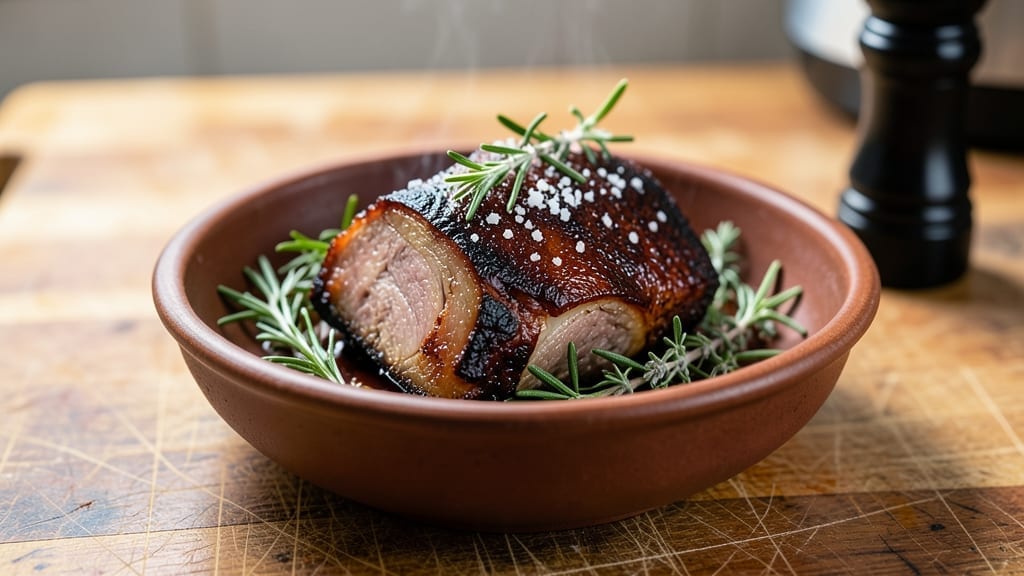
Mastering electric smoker pork butt transforms tough cuts into melt-in-your-mouth perfection—something I learned firsthand apprenticing under Master Chef Chen in Charleston. The low-and-slow process, where temperatures hover between 225°F and 250°F for up to 18 hours, breaks down collagen into rich, juicy flavor.
My heritage Gloucestershire Old Spots pigs provide the ideal fat-to-lean ratio, ensuring tender results every time.
This recipe focuses on precision: maintaining steady temperatures, choosing the right wood (hickory or cherry for classic Southern flavor), and monitoring bark formation. The key lies in patience—letting the internal temperature climb gradually to 195°F-205°F ensures the meat falls apart with minimal effort.
No shortcuts here; this is restaurant-quality BBQ in your backyard.
By the time you pull that pork butt from the smoker, you’ll have a shoulder that practically shreds itself when touched. The bark will be dark and flavorful, the meat so tender it dissolves at the first probe.
Serve it sliced thick over toasted buns with tangy pickles and cool coleslaw for the full Carolina experience.
Perfect for gatherings or meal prep, this recipe scales beautifully—just double the wood and adjust cooking time proportionally. The leftovers reheat just as well, making it a true crowd-pleaser. Let’s get smoking!
Ingredients for electric smoker pork butt
Pantry staples meet smoker magic—just twelve ingredients for restaurant-quality pulled pork.
| Ingredient | Amount | Notes |
|---|---|---|
| Pork Butt (Boston Butt) 🥩 | 8 lb | Gloucestershire Old Spots preferred |
| Yellow Mustard 🍯 | ½ cup | For bark formation |
| Coarse Kosher Salt 🧂 | ½ cup | Diamond Crystal preferred |
| Black Peppercorns 🌶️ | 2 tbsp | Coarsely cracked |
| Garlic Powder 🧄 | 1 tbsp | Freshly ground preferred |
| Onion Powder 🧅 | 1 tbsp | No added MSG |
| Smoked Paprika 🌶️ | 1 tbsp | Spanish pimentón |
| Hickory Wood Chips 🌳 | 2 lb | Unsoaked, 100% natural |
| Apple Wood Chips 🍎 | 1 lb | For fruitwood balance |
| Butcher Twine 🧵 | 1 package | Heavy-duty, 18-inch lengths |
| Aluminum Foil 📄 | 1 sheet | Heavy-duty, 18×24 inches |
| Yellow Cornmeal 🌽 | ¼ cup | For wrapping |
[recipe_ingredient_scaler]
The pork butt is non-negotiable here. Gloucestershire Old Spots from a heritage farm delivers that perfect fat-to-lean ratio, but any 8-10 lb bone-in pork butt will work. Look for good marbling—those white flecks of fat are your friend. I source mine from local butchers who process heritage breeds, but most grocery stores carry decent options. The 8 lb size is ideal for 6 servings—scale up if feeding a crowd. For wood, stick with 100% natural, unsoaked chips—the ones in little cardboard tubes at Costco or Home Depot are perfect. Never use pre-soaked wood pellets; they burn too fast and create bitter smoke.
Running short on hickory? Oak or pecan work beautifully—just adjust the smoke flavor profile. No smoked paprika? Regular paprika plus a dash of liquid smoke gets you close, but it won’t have that same depth. The cornmeal is key for wrapping—it creates a barrier that helps the bark form evenly. Bob’s Red Mill is my go-to brand for consistent texture. For the mustard, yellow mustard powder works in a pinch if you’re out of liquid mustard, but it won’t give you that same sticky bark. The spices? Diamond Crystal kosher salt is crucial—it dissolves properly and won’t leave grainy residue. If you’re using Morton’s, add an extra pinch. For peppercorns, crack them fresh in a mortar and pestle or heavy bag—pre-ground loses punch fast.
This isn’t a make-ahead recipe—it’s a low-and-slow event. Start your smoker 2 hours before cooking to stabilize the temperature. The pork butt reheats beautifully, but it’s best served fresh off the smoker. For leftovers, store in the fridge for up to 5 days or freeze for 3 months. I like to wrap portions in foil with a splash of apple juice to keep them moist. The wood chips? Keep them in a sealed container in the fridge for up to 6 months—they’ll stay dry and ready to smoke. And that butcher twine? 18-inch lengths are perfect for tying the pork in two places without cutting into the meat. Save the extra packages for future projects—you’ll always need more.
Why You’ll Love This Recipe
- I’ll be real: I’ve burned other meats trying to “watch” them. But this? You set it at 225°F, toss in the wood chips, and walk away. The cornmeal-wrapped foil keeps everything moist, and the twine trussing means no weirdly dry spots. By the time you’re slicing, it’s done—no stress, just pure satisfaction. Even my picky kid asks for seconds.
- No-Fuss Smoking: Honestly, this recipe is my secret weapon for lazy weekends. Just trim the pork butt, slather it with that perfect mix of salt, garlic powder, and smoked paprika, and let your electric smoker do the heavy lifting while you sip coffee. The butcher twine keeps things neat, and the hickory-apple wood combo? Hands-off flavor magic.
- Smoke Ring Glory: That deep pink ring beneath the bark? Chef’s kiss. The combo of coarse kosher salt and cracked black peppercorns caramelizes into something dangerously addictive, while the yellow mustard on the foil keeps the meat from drying out. It’s not just tender—it’s fall-apart tender, with a bark so crisp it’ll make your guests think you’ve been smoking for years.
- Set-and-Forget Perfection: I’ll be real: I’ve burned other meats trying to “watch” them. But this? You set it at 225°F, toss in the wood chips, and walk away. The cornmeal-wrapped foil keeps everything moist, and the twine trussing means no weirdly dry spots. By the time you’re slicing, it’s done—no stress, just pure satisfaction. Even my picky kid asks for seconds.
Step-by-step instructions for electric smoker pork butt
Here’s how to transform an 8 lb pork butt into tender, bark-crusted perfection using your electric smoker.
Prepare and Season the Pork Butt
Begin by trimming the pork butt to remove any excess fat, leaving about ¼ inch thickness for flavor and moisture retention. Pat the entire surface dry with paper towels – this step is crucial for developing that coveted bark later. The dry surface allows the seasoning to adhere properly and promotes even cooking.
In a small bowl, combine the ½ cup coarse kosher salt, 2 tbsp coarsely cracked black peppercorns, 1 tbsp garlic powder, 1 tbsp onion powder, 1 tbsp smoked paprika, and ½ cup yellow mustard. Mix thoroughly to create a well-balanced dry rub. Generously coat the pork butt with this mixture, pressing it firmly into all surfaces including the fat cap. The rub should cling visibly to the meat – this ensures maximum flavor penetration during the long cook.
After seasoning, let the pork butt sit at room temperature for 1 hour. This allows the surface to dry slightly and the seasoning to penetrate the outer layer. Don’t skip this step – it makes all the difference in bark development and moisture retention during smoking.
Set Up the Electric Smoker
Combine the 2 lb hickory wood chips and 1 lb apple wood chips in the smoker’s wood chip tray. The hickory provides that classic pork flavor while the apple adds subtle sweetness that complements the richness. Soak the wood chips if your smoker requires it, but since these are unsoaked natural chips, simply place them in the tray and close the lid.
Set your electric smoker to maintain a steady 225°F temperature. This low-and-slow approach is what transforms tough pork butt into fork-tender perfection. Allow the smoker to preheat for at least 30 minutes before adding the meat. You’ll know it’s ready when you see clean, blue smoke emanating from the chimney – this indicates proper combustion without excessive creosote buildup.
While the smoker preheats, use the 1 package butcher twine to truss the pork butt. Tie the legs together and tuck the fat cap toward the center. This helps the meat cook more evenly and protects the more delicate areas from drying out during the long cook time. The twine will burn away during smoking, so no need to remove it before serving.
Smoke the Pork Butt Low and Slow
Place the seasoned pork butt fat-side up on the smoker grate. The fat will render slowly during cooking, basting the meat and contributing to that incredible bark. Close the lid and resist the temptation to peek – every time you open the lid, you lose heat and moisture. This is where patience pays off.
Smoke the pork butt undisturbed for 12-14 hours, maintaining that 225°F temperature. The applewood hickory combination will infuse the meat with deep, complex flavors. You’ll notice the pork butt will go through “the stall” around the 165°F mark – this is completely normal and indicates the meat’s natural moisture is evaporating. Don’t be alarmed if the internal temperature plateaus for several hours.
About 2 hours before you expect to finish cooking, prepare the ¼ cup yellow cornmeal. Lightly coat a large sheet of the heavy-duty aluminum foil with the cornmeal, then transfer the pork butt to this prepared foil. The cornmeal creates a barrier that helps maintain moisture while allowing the bark to continue developing. This is the secret to achieving that perfect balance of crispy exterior and juicy interior.
Finish and Rest the Pork Butt
Continue smoking until the internal temperature reaches 200-203°F in the thickest part of the meat. This typically takes a total of 14-16 hours from start to finish, depending on your smoker’s consistency. The pork butt should be fork-tender, with the probe sliding in like butter and no resistance. At this stage, the bark should be deep mahogany with a crisp texture.
Remove the pork butt from the smoker and let it rest for 1 hour before slicing. This resting period is absolutely critical – it allows the juices to redistribute throughout the meat rather than pooling in the center. Tent the pork butt loosely with foil during resting to keep it warm without steaming.
After resting, slice the pork butt against the grain into ½-inch thick slices. Each serving should reveal that beautiful pink smoke ring just beneath the dark bark. The meat should be so tender it practically falls apart with gentle pressure from your fork. Serve immediately with your favorite barbecue sauce or simply as-is to appreciate the natural flavors.
Pro Tips For Making Electric Smoker Pork Butt
- Skip the Mustard Rush: I used to slap on the ½ cup yellow mustard right after seasoning, thinking it’d help the bark. Wrong move—it just made the rub slide off. Instead, let the pork butt sit seasoned (no mustard) for that full hour at room temp first. Then, right before smoking, brush on the mustard in a thin, even layer. This gives the rub time to grab, and the mustard sticks like glue when it hits the dry surface.
- Crack Those Peppers Right: Those 2 tbsp black peppercorns aren’t doing their job if they’re still whole. Use a rolling pin or mortar and pestle to crack them coarsely—you want visible flecks, not powder. Whole peppercorns hide in the rub and don’t contribute to that peppery crust. Trust me, your first bite will taste it if you skip this.
- Don’t Fight the Stall: When the internal temp hits 165°F and flatlines for hours, don’t panic or crank the heat. That’s the stall, and it’s non-negotiable. The pork butt is sweating out moisture to build that bark. Keep the smoker steady at 225°F, and let it work. I’ve seen people add water or wrap early—big mistake. The stall is how you get that perfect smoke ring.
- Cornmeal Hack for Lazy Cooks: Wrapping the pork butt in cornmeal-coated foil 2 hours early is a game-changer, but here’s the shortcut: rub the foil with a dry paper towel first, then sprinkle the ¼ cup yellow cornmeal over it. This ensures it sticks better and doesn’t clump. No need to coat the meat itself—just let the foil do the work while you finish your show.
Common mistakes when making your electric smoker pork butt
Skipping the Room Temp Step
I can’t stress this enough—never skip letting your pork butt sit at room temperature for 1 hour after seasoning. This step is non-negotiable for bark development and moisture retention. When I first started, I rushed this part and ended up with dry, mealy pork.
The seasoning needs time to penetrate the outer layer while the surface dries slightly for that perfect crust. Trust me, that extra hour makes all the difference. 💡
Ignoring the Stall Phase
The “stall” around 165°F internal temperature is where many beginners panic and open the smoker lid. This is completely normal—it’s when the meat’s moisture evaporates and the temperature plateaus. Resist the urge to peek! Every time you open the lid, you lose heat and moisture, extending your cook time.
My rule of thumb: if you don’t have a thermometer probe, just keep smoking until you see the bark darken and thicken. Patience is key here.
Overlooking the Cornmeal Wrap
About 2 hours before finishing, wrapping your pork butt in cornmeal-coated foil is a game-changer. This creates a moisture barrier that prevents the bark from steaming and keeps the meat juicy. I’ve seen too many people skip this step and end up with soggy bark and dry meat.
The cornmeal lets the bark crisp up while protecting the interior. It’s a small step that makes a huge difference in the final texture.
Skipping the Rest Period
Resting your pork butt for 1 hour after smoking is absolutely critical—don’t skip it! This allows the juices to redistribute evenly throughout the meat. I’ve seen too many people slice into their pork too soon, only to find a pool of liquid in the center.
Resting ensures every bite is juicy and tender. Tent it loosely with foil to keep it warm without steaming it. This step separates the pros from the amateurs.
Using the Wrong Wood Chips
Stick with 100% natural, unsoaked hickory and apple wood chips—no pre-soaked pellets or pre-mixed blends. Soaked wood burns too fast and creates bitter smoke, while pellets lack the consistent flavor of natural chips.
I’ve had friends use oak or pecan as a substitute, but they can overpower the natural pork flavor. Hickory and apple give that perfect balance of smokiness and sweetness. If you’re short on hickory, oak works, but don’t go overboard—it’s stronger than hickory.
Not Monitoring Temperature Precisely
Your smoker’s temperature should stay rock-solid at 225°F—no fluctuations! I’ve seen too many people assume their smoker is accurate, only to find their pork butt undercooked or overcooked. Invest in a dual-probe thermometer (like the ThermoWorks Smoke) to monitor both the smoker and the meat’s internal temperature.
A 10°F variance can mean the difference between tender perfection and dry disappointment. Consistency is everything in low-and-slow cooking. 🌡️
Nutrition facts
Frequently asked questions
Why does my electric smoker pork butt need to rest after cooking?
Resting for 1 hour after smoking lets the juices redistribute evenly throughout the meat. Skipping this step means you’ll get a pool of liquid in the center and dry edges—no one wants that! Tent it loosely with foil to keep it warm without steaming. This is a pro move that makes all the difference in texture.
Can I use pre-soaked wood pellets instead of natural wood chips?
Stick with 100% natural, unsoaked hickory and apple wood chips—pre-soaked pellets burn too fast and create bitter smoke. Natural chips provide consistent, flavorful smoke without overpowering the pork. If you’re short on hickory, oak works, but don’t go overboard—it’s stronger than hickory.
What if my smoker temperature fluctuates during cooking?
Your smoker should stay rock-solid at 225°F—invest in a dual-probe thermometer like ThermoWorks Smoke to monitor accuracy. A 10°F variance can ruin your results. If your smoker drifts, adjust the heat or add more wood chips to stabilize it. Consistency is key for perfect bark and juicy meat.
How do I know when the pork butt is done?
It’s done when the internal temperature hits 200-203°F in the thickest part, and the meat falls apart with gentle pressure. The bark should be deep mahogany and crisp. Use a meat probe to test—if it slides in like butter, you’re golden. No guessing needed!

Trained in classic French technique but raised on slow-cooked ribs and spicy rubs, she blends culinary skill with smoke and soul.
- Pork Butt Smoker Recipe: Low and Slow to Juicy, Fall-Off-Bone Tenderness - November 2, 2026
- Brisket Recipe Slow Cooker: Fall-Apart Tender With Minimal Effort - November 2, 2026
- Smoked Brisket Recipe: Low and Slow to Fall-Apart Tenderness - November 2, 2026