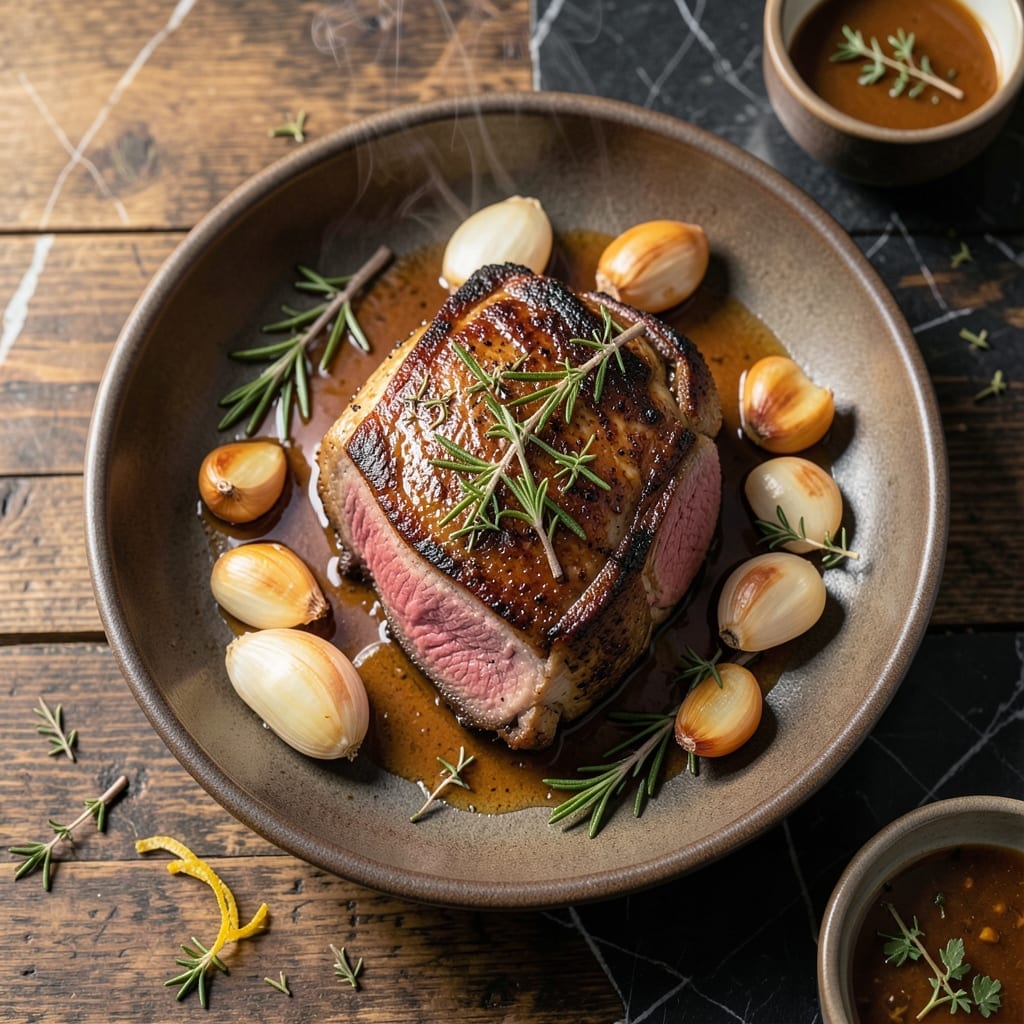
Slow-roasting wild game like elk tenderloin transforms tough cuts into tender, succulent masterpieces. This method ensures even cooking while preserving the meat’s natural richness and depth of flavor.
The key lies in low, steady heat—typically 275°F—which breaks down connective tissue without drying out the lean meat. A simple rub of salt, pepper, and aromatic herbs enhances without overwhelming.
What emerges is a perfectly cooked roast with a caramelized crust and moist interior. The slow process allows the elk’s unique, slightly sweet flavor to shine through beautifully.
Pair with roasted root vegetables or a red wine reduction for a complete, memorable meal.
Ingredients for Elk Roast Recipe Oven
Elk tenderloin paired with aromatic herbs and root vegetables for a refined wild game meal.
| Ingredient | Amount | Notes |
|---|---|---|
| Elk Tenderloin 🦌 | 2 lb | Boneless, trimmed of excess fat |
| Kosher Salt 🧂 | 1 ½ tsp | Diamond Crystal preferred for even coating |
| Freshly Ground Black Pepper 🌶️ | 1 tsp | Coarse grind for texture |
| Garlic Cloves 🧄 | 4 cloves | Minced for rub consistency |
| Fresh Rosemary 🌿 | 2 tbsp | Chopped, stems discarded |
| Fresh Thyme 🍃 | 2 tbsp | Leaves stripped from stems |
| Olive Oil 🫒 | 2 tbsp | Extra-virgin for high-heat stability |
| Carrots 🥕 | 1 lb | Peeled, cut into chunks |
| Yukon Gold Potatoes 🥔 | 1 ½ lb | Cut into 2-inch pieces |
| Parsnips 🥕 | ¾ lb | Peeled, cut into chunks |
| Red Wine 🍷 | 1 cup | Dry variety for reduction |
| Beef Stock 🥩 | 1 cup | Low-sodium preferred |
| Unsalted Butter 🧈 | 2 tbsp | For finishing reduction |
[recipe_ingredient_scaler]
The elk tenderloin quality is paramount. Source from reputable game processors or specialty butchers like Wild Fork. Look for deep red color with minimal fat marbling—this indicates proper handling. The meat should have a clean, slightly sweet aroma. For the herbs, fresh rosemary and thyme are essential (dried versions lack the necessary potency).
No elk tenderloin? Venison or beef tenderloin can substitute, though cooking times may vary slightly. For the wine reduction, a bold Cabernet Sauvignon works best, but Pinot Noir adds a lighter touch. If avoiding alcohol, beef stock with a tablespoon of balsamic vinegar mimics the depth. The root vegetables can be swapped for other hearty options like rutabaga or celeriac.
Slow-roasted elk keeps beautifully in the fridge for 3-4 days. For longer storage, slice and freeze portions for up to 3 months. Always bring meat to room temperature before reheating to preserve moisture and tenderness.
Why You’ll Love This Recipe
- One Pan Wonder: I toss the elk tenderloin with salt, pepper, garlic, and rosemary, then let the oven do the work.
- Rich & Earthy: The rosemary and garlic bring out this deep, wild flavor that beef just can’t match.
- Feeds the Crew: Honestly, it’s my go-to for Sunday dinner—impressive enough for guests but simple enough for family.
- Leftover Magic: Cold slices make the best sandwiches the next day—if there are any left.
Step-by-Step Instructions for Slow-Roasted Wild Game Tenderloin
This method ensures melt-in-your-mouth tenderness with a deeply flavored crust.
Step 1: Prepare the Elk Tenderloin with Herb Rub
Pat the 2 lb Elk Tenderloin completely dry with paper towels. This removes surface moisture that could prevent proper browning. In a small bowl, combine the 1.5 tsp Kosher Salt, 1 tsp Freshly Ground Black Pepper, minced 4 cloves Garlic Cloves, 2 tbsp Fresh Rosemary, and 2 tbsp Fresh Thyme.
Rub this mixture all over the tenderloin, pressing firmly to adhere. Drizzle the 2 tbsp Olive Oil over the surface and rub it in evenly. Let the seasoned tenderloin rest at room temperature for 30 minutes while you prepare the vegetables—this allows the salt to penetrate the meat.
Step 2: Prepare the Root Vegetables for Roasting
Preheat your oven to 325°F. While it heats, peel and cut the 1 lb Carrots, 1.5 lb Yukon Gold Potatoes, and 0.75 lb Parsnips into uniform 2-inch chunks. This ensures even cooking and presentation.
Toss the vegetables with any remaining olive oil from the tenderloin preparation and season lightly with additional kosher salt and pepper. Spread them in a single layer in a large roasting pan or oven-safe skillet.
Step 3: Sear and Begin the Slow Roast
Heat a large oven-safe skillet or Dutch oven over medium-high heat. When hot, add the seasoned tenderloin and sear on all sides for 2-3 minutes per side until deeply browned. You want a rich, caramelized crust—this develops the complex flavors characteristic of properly cooked wild game.
Place the seared tenderloin on top of the prepared vegetables in the roasting pan. Pour the 1 cup Red Wine and 1 cup Beef Stock around the meat and vegetables, not over the top, to avoid washing off the herb rub.
Step 4: Slow-Roast to Tender Perfection
Cover the pan tightly with a lid or foil and transfer to the preheated oven. Roast for 1.5 to 2 hours, turning the tenderloin every 30 minutes and basting with the pan juices. The low temperature and moisture from the covered pan prevent the lean elk from drying out.
You’ll know it’s done when an instant-read thermometer inserted into the thickest part registers 135-140°F for medium-rare. The meat should feel tender when pierced with a fork, and the vegetables should be fork-tender and beginning to caramelize.
Step 5: Rest and Finish with Pan Sauce
Transfer the tenderloin to a cutting board and tent loosely with foil. Let it rest for 15 minutes while you finish the sauce. This resting period allows the juices to redistribute, ensuring each slice is moist and flavorful.
Place the roasting pan with vegetables on the stovetop over medium heat. Simmer the cooking liquids for 3-4 minutes until slightly reduced. Stir in the 2 tbsp Unsalted Butter until melted and fully incorporated. Slice the tenderloin against the grain and serve with the vegetables and pan sauce spooned over the top.
Pro Tips For Making Elk Roast Recipe Oven
- Sear First, Roast Later: Always sear the elk tenderloin in a screaming-hot pan with oil before transferring to the oven—this locks in juices and builds a deep crust that oven-roasting alone can’t achieve.
- Salt Generously Overnight: I learned this the hard way—elk needs a heavy hand with kosher salt, applied at least 12 hours before cooking, to tenderize and season the lean meat properly.
- Don’t Overcook It: Elk tenderloin turns tough fast; pull it from the oven at 130°F internal temperature—it’ll rise to a perfect medium-rare while resting.
- Smash the Garlic: Sounds weird, but it works: crush the garlic cloves slightly before stuffing them under the rosemary so their flavor infuses the meat without overpowering it.
Serving Suggestions for This Dish
Plating Elegance
Slice the elk tenderloin into 1-inch thick medallions and fan them across a warm platter. Arrange the roasted root vegetables around the meat, creating a rustic yet refined presentation that highlights the dish’s hearty nature.
Sauce Presentation
Drizzle the finished pan sauce over the sliced elk, then spoon a bit more around the platter’s edges. I like to add a sprig of fresh rosemary on top for a pop of color and to hint at the herb rub used in the recipe. 🌿
Garnish Touches
For a restaurant-worthy finish, sprinkle with flaky sea salt like Maldon and a crack of fresh black pepper. A light dusting of chopped parsley adds freshness that cuts through the richness of the meat.
Side Pairings
Serve with crusty sourdough or a simple green salad dressed in lemon vinaigrette. The acidity balances the elk’s depth, while the bread soaks up that incredible pan sauce. I always recommend wild rice pilaf for extra texture.
Wine Service
A bold red wine complements this dish beautifully. I suggest a Syrah or Zinfandel with enough body to stand up to the elk’s robust flavor. Serve at room temperature for the best experience. 🍷
Family-Style Option
For casual gatherings, bring the whole roast to the table on a wooden board. Let guests carve their own slices and serve themselves from the roasting pan. This creates a warm, communal dining experience everyone remembers.
Nutrition Facts
Frequently Asked Questions
What temperature should the oven be set to?
Use 325°F for slow-roasting to keep the lean meat moist. This gentle heat breaks down connective tissue without drying it out.
How do I know when it’s done?
Use a meat thermometer—135-140°F for perfect medium-rare. The meat should feel tender when pierced and juices should run clear.
Should I cover it while roasting?
Yes, cover tightly with foil or a lid for the first 1.5 hours. This traps steam, preventing the exterior from drying before the interior cooks.
Can I use a different cut?
Venison or beef tenderloin work as substitutes, but adjust cooking time. Venison may need 15-20 minutes less due to lower fat content.

Trained in classic French technique but raised on slow-cooked ribs and spicy rubs, she blends culinary skill with smoke and soul.
- Recipe for Boneless Pork Chops in Cast Iron Skillet: Sear and Baste to Juicy Perfection - October 3, 2026
- Recipe for Boneless Cross Rib Roast: Slow-Roasted Beef with Herb Crust - October 3, 2026
- Hamburgers in Sauce Recipe Crock Pot: Slow-Cooked Savory Delight - October 3, 2026