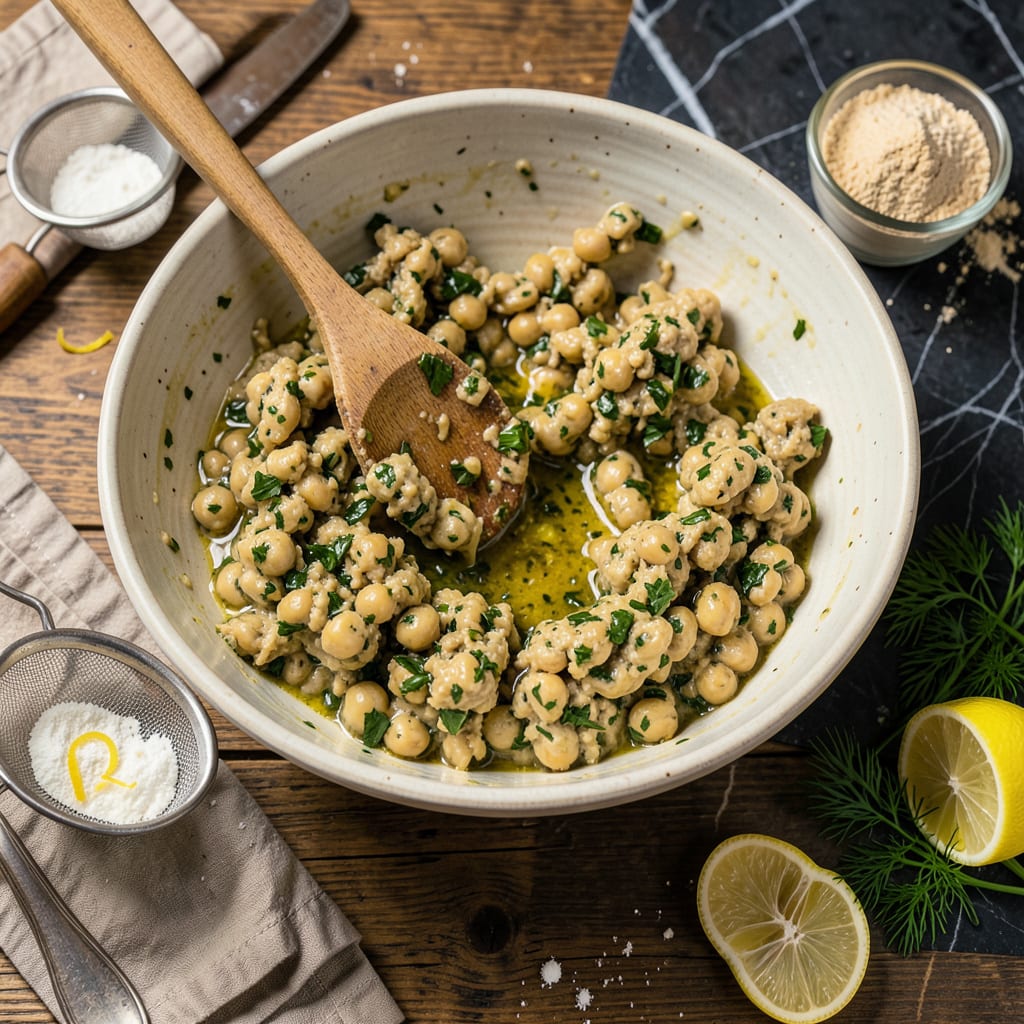
Nothing’s more frustrating than mixing up your falafel batter, only to end up with a soggy, unworkable mess instead of crispy golden patties. I’ve been there—staring at a bowl of wet chickpea paste, wondering where I went wrong. But here’s the good news: fixing wet falafel mix is easier than you think, and I’ve got three foolproof ways to save your batch.
This recipe delivers perfectly crispy falafel every time, but even the best cooks run into texture issues. The secret? It’s all about moisture control—whether that means adjusting your chickpeas, tweaking your binders, or changing up your cooking method. No fancy equipment needed, just a few simple tricks to get that ideal balance between tender inside and crunchy outside.
I’ll walk you through the exact ratios for chickpeas, herbs, and spices, plus the right way to soak and process them for the best texture. And if things still feel too wet? Don’t panic. The fixes are straightforward, and you’ll be frying (or baking, or air-frying) up crispy, golden falafel in no time—no wasted ingredients, no takeout backup plan required.
Whether you’re a falafel newbie or just had an off day in the kitchen, this guide covers everything from prep to plate. Let’s turn that wet mix into something worth bragging about.
📚 In This Guide
- What You’ll Need
- Instructions
- Tips and Common Mistakes
What Youll Need
- ● Falafel mix – 1 cup (dry, uncooked) or 1 standard 8-oz package
- ● Chickpeas (garbanzo beans) – 1 can (15 oz, drained) or 1.5 cups cooked (if making from scratch)
- ● All-purpose flour or chickpea flour – 2–4 tbsp (for binding)
- ● Baking powder – 1 tsp (for fluffiness)
- ● Onion – ½ small (roughly chopped)
- ● Garlic cloves – 2–3 (peeled)
- ● Fresh parsley or cilantro – ½ cup (loosely packed)
- ● Ground cumin – 1 tsp
- ● Ground coriander – 1 tsp
- ● Salt – 1 tsp (adjust to taste)
- ● Black pepper – ½ tsp
- ● Lemon juice – 1 tbsp (fresh preferred)
- ● Olive oil – 1–2 tbsp (for moisture control + frying)
- ● Food processor (essential for smooth texture)
- ● Mixing bowl (medium-sized)
- ● Measuring cups/spoons (for precision)
- ● Slotted spoon (for frying)
- ● Paper towels (to drain excess oil)
- ● Skillet or deep fryer (for cooking)
- ○ Oil thermometer (optional, for perfect frying temp)
- ○ Parchment paper (optional, for baking method)
Instructions
Here’s exactly how to rescue your falafel mix and transform it into perfectly crispy patties.
Identify the Moisture Problem
First, let’s determine just how wet your mix is. Scoop up a small amount and try to form it into a ball. If it holds together but feels sticky or leaves residue on your hands, you’ve got excess moisture. When it’s so wet that it won’t hold shape at all, we’ll need more aggressive fixes.
I’ve found that most wet falafel issues come from either too much liquid in the chickpeas or over-processing. Don’t worry – both are completely fixable. The key is acting before you start frying, as wet mix will splatter dangerously in hot oil.
Add Dry Ingredients Gradually
Start with 2 tablespoons of chickpea flour (also called besan) or all-purpose flour. Sprinkle it over your mix and gently fold it in with a fork. You want to distribute it evenly without overworking the mixture, which can make things worse.
Let the mixture rest for 5 minutes to allow the flour to absorb excess moisture. Then test again by forming a small patty. If it still feels too wet, add another 1 tablespoon and repeat. I prefer chickpea flour because it maintains the authentic flavor, but regular flour works in a pinch.
Adjust with Breadcrumbs for Texture
If your mix is still too wet after adding flour, it’s time for breadcrumbs. These absorb moisture while adding structure. Start with ¼ cup of plain breadcrumbs and mix gently but thoroughly. The breadcrumbs should disappear into the mixture.
Wait 3-4 minutes before testing again. You’ll notice the texture becomes more cohesive and less sticky. For gluten-free options, use crushed rice cereal or gluten-free breadcrumbs. The goal is a mixture that holds together when pressed but isn’t dry or crumbly.
Chill Before Frying for Best Results
Once you’ve achieved the right consistency, cover the bowl and refrigerate for at least 30 minutes. This resting time allows the ingredients to fully hydrate and the mixture to firm up. I’ve found this step makes a dramatic difference in preventing breakage during frying.
When ready to cook, form your patties and fry as usual. You’ll know you’ve succeeded when they hold their shape in the oil and develop that perfect golden-brown crust. Remember to keep the oil at 350-375°F for crispy exteriors without burning.
Alternative Baking Method for Extra Stability
If you’re still nervous about frying, baking works beautifully for rescued falafel. Preheat your oven to 375°F and line a baking sheet with parchment. Brush formed patties lightly with olive oil and bake for 20-25 minutes, flipping halfway through.
Look for deep golden brown color on both sides. The baking method gives you extra time to ensure the patties hold together while still achieving that crispy exterior. They won’t be quite as crispy as fried, but they’ll be delicious and much sturdier than your original wet mix would have produced.
Tips and Common Mistakes
Here’s what I’ve learned from rescuing countless wet falafel mixes—these small details make all the difference between crumbly disasters and crispy perfection.
Texture Test: In Step 1, when you’re assessing moisture levels, here’s what to watch for: the mix should hold together when pressed but not stick to your fingers. If it leaves residue on your palms, you’ll need at least the full 2 tablespoons of chickpea flour mentioned in Step 2. I always test with clean, dry hands to get an accurate read on the moisture level.
Resting Time Matters: Those 5 minutes in Step 2 and 3-4 minutes in Step 3 aren’t arbitrary—they’re crucial for the dry ingredients to fully absorb moisture. I set a timer and resist the urge to check early. The mixture will transform from sticky to workable right before your eyes if you give it the full time specified in the instructions.
Chilling Secret: The 30-minute refrigeration in Step 4 does more than just firm up the mix—it allows the starches to fully hydrate. I’ve found that stacking the bowl on a bed of ice cubes speeds this process if you’re short on time, though the full 30 minutes yields the best texture for frying at 350-375°F.
Baking Advantage: For the baking method in Step 5, I always use the full 25 minutes at 375°F for maximum crispiness. The extra 5 minutes makes a noticeable difference in achieving that deep golden brown color mentioned in the instructions, especially when working with a mix that started too wet.
Pro Tips for Falafel Mix Too Wet
- Here’s what I’ve learned from rescuing countless wet falafel mixes—these small details make all the difference betwee…
- Texture Test: In Step 1, when you’re assessing moisture levels, here’s what to watch for: the mix should hold togethe…
- Resting Time Matters: Those 5 minutes in Step 2 and 3-4 minutes in Step 3 aren’t arbitrary—they’re crucial for the dr…
Frequently Asked Questions
Got a soggy falafel mix? You’re not alone! Here are the most common questions—and quick fixes—to save your batch.
Why did my falafel mix turn out too wet?
Over-soaked chickpeas or excess liquid (like water or oil) are the usual culprits. If using canned chickpeas, drain and pat them very dry. For dried chickpeas, soak them for no more than 12 hours and drain well. Even a tablespoon too much water can make the mix sticky!
Can I fix wet falafel mix without adding flour?
Yes! Try these first:
- Spread the mix on a paper towel and press gently to absorb moisture.
- Add 1-2 tbsp of breadcrumbs or crushed crackers for texture.
- Chill the mix for 30 minutes to firm it up before shaping.
How long should I chill wet falafel mix before frying?
Aim for 30–60 minutes in the fridge. This helps the mix bind and reduces stickiness. For extra crispiness, freeze patties for 15 minutes before frying—just don’t skip the oil preheat (350°F/175°C is ideal)!
What’s the best alternative if my mix is too wet to shape?
Turn it into falafel fritters! Drop spoonfuls of mix into hot oil (like mini pancakes) and fry until golden. Or bake at 375°F (190°C) for 20–25 minutes on a lined tray. Still delicious, just less traditional!
Can I save wet falafel mix by baking instead of frying?
Absolutely! Bake at 375°F (190°C) for 25–30 minutes, flipping halfway. For crispier results, brush patties with oil before baking or broil for the last 2 minutes. Baking won’t fix extreme wetness, though—adjust the mix first!
Don’t let a soggy falafel mix derail your crispy dreams! 🌟 With the right tweaks—like adding dry ingredients, straining excess liquid, or adjusting your cooking method—you can turn that sticky situation into golden, crunchy perfection. Remember, patience and texture balance are key.
Ready to put your new skills to the test? Grab that bowl, tweak your mix, and get frying! For extra confidence, check out our step-by-step falafel guide or experiment with baking for a healthier twist. Happy cooking! 🍽️

Trained in classic French technique but raised on slow-cooked ribs and spicy rubs, she blends culinary skill with smoke and soul.
- Recipe for Boneless Pork Chops in Cast Iron Skillet: Sear and Baste to Juicy Perfection - October 3, 2026
- Recipe for Boneless Cross Rib Roast: Slow-Roasted Beef with Herb Crust - October 3, 2026
- Hamburgers in Sauce Recipe Crock Pot: Slow-Cooked Savory Delight - October 3, 2026