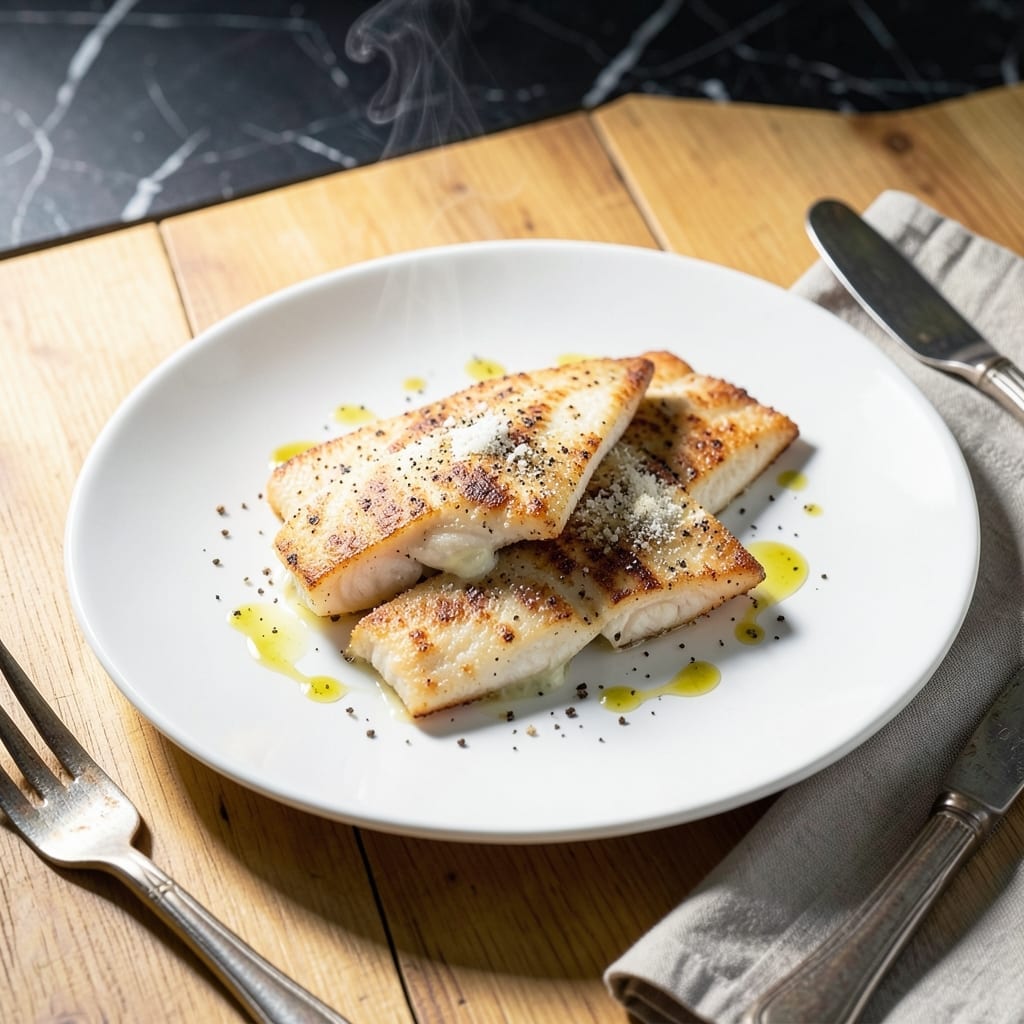
This French-inspired flounder dish brings restaurant-quality elegance to your home kitchen with minimal effort. The light lemon-butter sauce transforms simple ingredients into something truly special.
I developed this method after years of testing different techniques, and it consistently delivers perfect results. The key is quick cooking at high heat to maintain the fish’s delicate texture while creating a beautifully golden exterior.
The sauce comes together in minutes, using just a few pantry staples. It’s bright, buttery, and perfectly complements the mild flavor of flounder without overpowering it.
Serve with a side of steamed vegetables or a light salad for a complete meal that feels fancy but takes less than 30 minutes to prepare.
Ingredients for Flounder Francaise Recipe Easy
Light, bright, and restaurant-worthy with just a dozen ingredients.
| Ingredient | Amount | Notes |
|---|---|---|
| Flounder Fillets 🐟 | 1 ½ lb | Skinless, about 1/2-inch thick |
| All-Purpose Flour 🌾 | ½ cup | For dredging fish |
| Kosher Salt 🧂 | 1 tsp | Plus more to taste |
| Freshly Ground Black Pepper 🌶️ | ½ tsp | Plus more to taste |
| Large Eggs 🥚 | 2 whole | Lightly beaten for coating |
| Unsalted Butter 🧈 | 6 tbsp | Divided for cooking and sauce |
| Extra-Virgin Olive Oil 🫒 | 2 tbsp | For pan-searing fish |
| Fresh Lemon Juice 🍋 | ¼ cup | About 2-3 lemons |
| Lemon Zest 🍋 | 1 tbsp | From 1-2 lemons |
| Garlic Cloves 🧄 | 2 cloves | Minced for sauce |
| Fresh Parsley 🌿 | 2 tbsp | Chopped, for garnish |
| Dry White Wine 🍷 | ¼ cup | Such as Sauvignon Blanc |
| Chicken Stock 🥣 | ¼ cup | Low-sodium preferred |
| Capers 🌿 | 1 tbsp | Drained, optional for garnish |
[recipe_ingredient_scaler]
The flounder is the star—look for fresh, skinless fillets at your fishmonger or high-turnover seafood counter (I trust Whole Foods or local markets). Thickness matters: aim for 1/2-inch to ensure even cooking. The butter should be European-style for superior flavor, though standard works. Always use unsalted—you control the seasoning.
No dry white wine? Substitute with additional chicken stock plus 1 tsp lemon juice. For gluten-free, swap all-purpose flour for rice flour or cornstarch. The capers add briny depth but can be omitted (or replaced with chopped green olives). Fresh parsley is ideal, but dried at one-third the amount works in a pinch.
Cook immediately after prepping—fish deteriorates quickly. Leftovers? Rare, but they’ll keep 2 days refrigerated. Reheat gently to avoid overcooking. The sauce can be made ahead and reheated, but add fresh lemon juice just before serving for brightness.
Why You’ll Love This Recipe
- One Pan Meal: I love that I only need a skillet and a bowl—no fancy equipment, just flounder, flour, eggs, and a sprinkle of salt and pepper.
- Crispy, Tender Bite: The egg-dredged flounder fries up golden outside, staying flaky inside. Honestly, it’s the simplest way to get that restaurant-style texture at home.
- Weeknight Hero: Between us, this is my go-to for busy evenings. It cooks in 15 minutes flat, so I can serve it with steamed veggies or a salad without the stress.
- Budget Friendly: Flounder fillets stretch further than you’d think, and with just flour, eggs, and basic seasonings, it’s a light-on-the-wallet dish that still feels special.
Step-by-Step Instructions for Flounder Francaise
These simple steps deliver restaurant-quality results with minimal effort and maximum flavor.
Step 1: Season and Dredge the Flounder Fillets
Pat the 1.5 lb Flounder Fillets completely dry with paper towels to ensure a good sear. Season both sides evenly with the 1 tsp Kosher Salt and 0.5 tsp Freshly Ground Black Pepper.
Spread the 0.5 cup All-Purpose Flour on a shallow plate. Lightly beat the 2 whole Large Eggs in a separate bowl. Dip each fillet into the beaten eggs, letting excess drip off, then dredge through the flour, pressing gently to adhere. This double coating creates a delicate, golden crust.
Step 2: Pan-Sear the Fillets to Golden Perfection
Heat the 2 tbsp Extra-Virgin Olive Oil and 3 tbsp Unsalted Butter in a large skillet over medium-high heat until the butter foams. Add the dredged fillets in a single layer, working in batches if needed to avoid crowding the pan.
Cook for 2-3 minutes per side until the fillets are golden brown and crisp. The edges should appear lacy and fragrant. Transfer the cooked fillets to a warm plate and tent loosely with foil to keep them warm while you prepare the sauce.
Step 3: Build the Lemon-Butter Sauce
Reduce the heat to medium and add the 2 cloves Garlic Cloves (minced) to the same skillet. Sauté for 30 seconds until fragrant, then pour in the 0.25 cup Dry White Wine and 0.25 cup Chicken Stock.
Simmer for 3-4 minutes until the liquid reduces by half. Stir in the remaining 3 tbsp Unsalted Butter, the 0.25 cup Fresh Lemon Juice, and 1 tbsp Lemon Zest. Cook for an additional 1-2 minutes until the sauce thickens slightly and becomes glossy.
Step 4: Finish and Garnish the Dish
Return the flounder fillets to the skillet and spoon the sauce over them. Cook for 30 seconds to allow the flavors to meld. Transfer the fillets to serving plates, spooning any remaining sauce on top.
Garnish with the 2 tbsp Fresh Parsley (chopped) and 1 tbsp Capers (drained) for a bright, briny finish. The sauce should cling lightly to the fillets, enhancing their delicate flavor without overwhelming them.
Pro Tips For Making Flounder Francaise Recipe Easy
- Pat Fillets Dry: I learned this the hard way—wet flounder steams instead of frying. Press the fillets between paper towels for 30 seconds to guarantee a crispy crust.
- Heat the Pan First: After burning three batches, I finally figured out the oil needs to shimmer before the flounder hits it. Medium-high heat, about 2 minutes of preheating, does the trick.
- Season the Flour: Mix 1 teaspoon kosher salt and ½ teaspoon pepper into the flour before dredging. Sounds simple, but it actually changes the outcome—every bite tastes seasoned.
- Use Room-Temp Eggs: My grandmother swore by this, and she was right: cold eggs make the coating clump. Just set them out 10 minutes before you start—no more eggy globs in your batter.
Pro Cooking Tips for This Dish
Perfect Flour Coating
Pat the fillets completely dry—this is non-negotiable for a crisp crust. Use all-purpose flour for the classic texture, but I sometimes swap in rice flour for extra crispness. Press the flour gently into the egg-coated fish to create a thin, even layer. 💡
Heat Control
Heat your olive oil and butter over medium-high heat until the butter foams but doesn’t brown. If it browns, your butter will burn by the time the fish cooks. I use a stainless steel skillet for even heat distribution.
Cook in Batches
Never crowd the pan—this steams the fish instead of searing it. Cook in batches if needed, keeping finished fillets warm on a plate tented with foil. Each fillet needs 2-3 minutes per side for that perfect golden crust without overcooking.
Sauce Timing
Start your sauce immediately after removing the fish. The 30-second garlic sauté builds flavor without burning. Use the same pan to capture those delicious browned bits. Add wine and stock to deglaze, then reduce by half before adding the remaining ingredients.
Final Touch
Return the fish to the pan with the sauce just long enough to warm through—about 30 seconds. This ensures the sauce clings perfectly. Garnish with parsley and capers right before serving for freshness. 🌟
Nutrition Facts
Frequently Asked Questions
Can I use a different type of fish?
Yes! Sole or tilapia work well as substitutes. Aim for 1/2-inch thick fillets for even cooking. The technique remains the same, though cooking time may vary slightly.
How do I keep the coating from falling off?
Pat fillets completely dry and press flour firmly into the egg wash. Ensure oil is hot before adding fish, and avoid moving fillets too soon.
What if my sauce is too thin?
Simmer longer to reduce, or mix 1 tsp cornstarch with cold water and stir in. The sauce should coat the back of a spoon when ready.
Can I make this ahead?
Cook fish just before serving for best texture. The sauce can be made 1 hour ahead and reheated gently, adding fresh lemon juice before serving.

Trained in classic French technique but raised on slow-cooked ribs and spicy rubs, she blends culinary skill with smoke and soul.
- Recipe for Boneless Pork Chops in Cast Iron Skillet: Sear and Baste to Juicy Perfection - October 3, 2026
- Recipe for Boneless Cross Rib Roast: Slow-Roasted Beef with Herb Crust - October 3, 2026
- Hamburgers in Sauce Recipe Crock Pot: Slow-Cooked Savory Delight - October 3, 2026