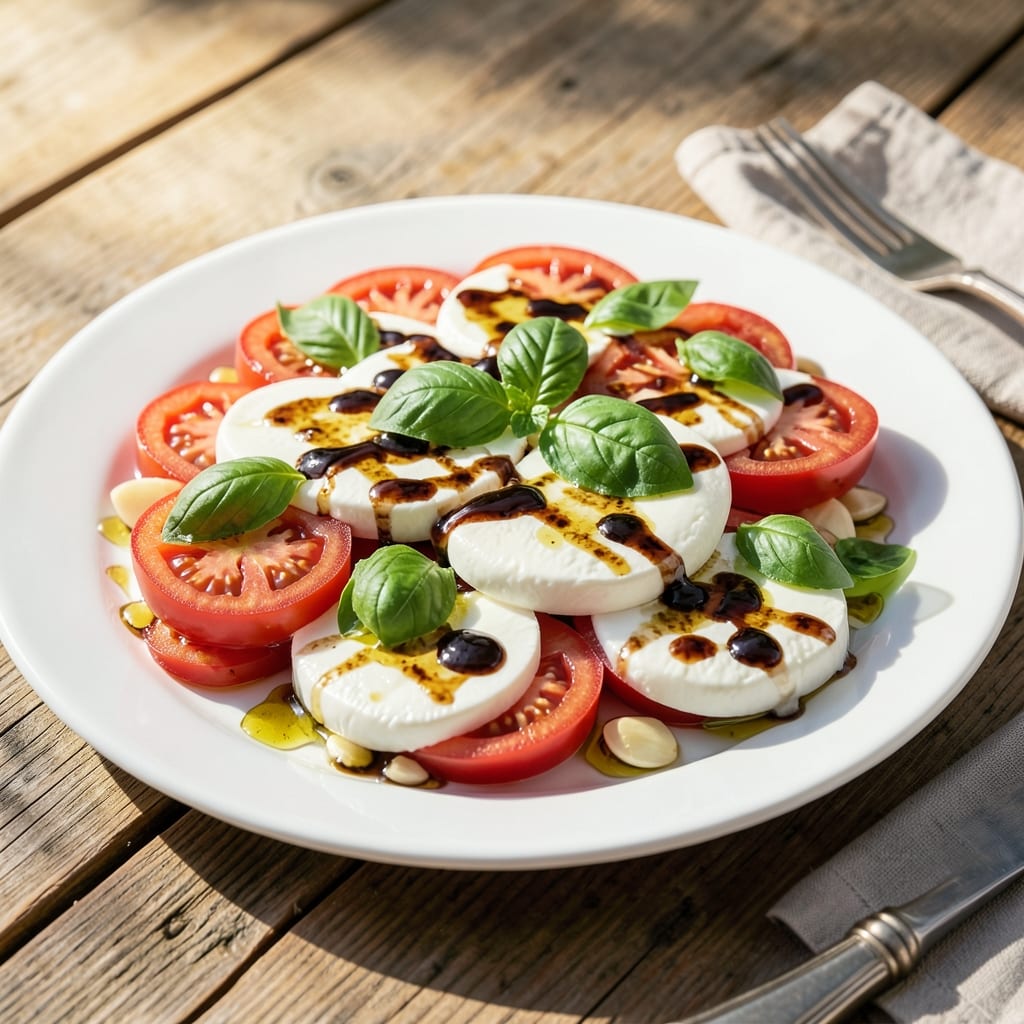
There’s nothing quite like the first pull of homemade cheese—still warm, milky, and impossibly fresh. This is the kind of ingredient that turns simple dishes into showstoppers.
I’ve tested countless ways to use it, from classic caprese to unexpected twists. The key is letting the cheese shine while complementing its delicate flavor. Think ripe tomatoes, fragrant basil, and a drizzle of good olive oil.
You’ll find ideas that work for quick lunches or impressive dinners. Each one highlights the creamy texture and mild taste that makes fresh mozzarella so special.
No fancy techniques here—just homemade goodness in every bite. Let’s get creative with it.
Ingredients for Fresh Mozzarella Recipe Ideas
Fresh mozzarella pairs beautifully with garden staples and a few pantry essentials for unforgettable dishes.
| Ingredient | Amount | Notes |
|---|---|---|
| Fresh Mozzarella Cheese 🧀 | 1 lb | Homemade, drained and sliced |
| Ripe Tomatoes 🍅 | 4 whole | Heirloom or vine-ripened preferred |
| Fresh Basil Leaves 🌿 | 1 cup | Loosely packed, whole |
| Extra-Virgin Olive Oil 🫒 | ½ cup | High-quality, fruity |
| Balsamic Vinegar 🍷 | 2 tbsp | Aged for depth |
| Garlic Cloves 🧄 | 3 cloves | Thinly sliced or minced |
| Sea Salt 🧂 | 1 tsp | Flaky or fine grain |
| Freshly Ground Black Pepper 🌶️ | ½ tsp | Coarse grind preferred |
| Crusty Baguette 🥖 | 1 whole | Sliced for serving |
| Arugula 🥬 | 2 cups | Baby arugula preferred |
| Red Pepper Flakes 🌶️ | ½ tsp | Optional for heat |
| Lemon 🍋 | 1 whole | Zested and juiced |
[recipe_ingredient_scaler]
The cheese is the star here—fresh mozzarella from a local dairy or homemade makes all the difference in texture and flavor. Tomatoes should be at peak ripeness (smell the stem end—if it’s fragrant, you’re golden). For basil, Whole Foods or a farmers market will have the best bunches. The olive oil? California Olive Ranch or Cobram Estate are reliable grocery store options.
No fresh basil? Dried basil at one-third the amount works, but the flavor won’t be as bright. Substitute cherry tomatoes for the heirlooms if that’s what’s available. For extra richness, drizzle with white balsamic vinegar instead. If you don’t have arugula, spinach or mixed greens are great alternatives. The garlic can be swapped for shallots for a milder bite.
Fresh mozzarella keeps in its brine for 3-4 days in the fridge. Tomatoes and basil are best used within 2-3 days for peak flavor. The olive oil and vinegar will stay good for 6-12 months stored in a cool, dark place.
Why You’ll Love This Recipe
- No-Cook Assembly: I just layer the mozzarella, tomatoes, and basil—no stove, no stress.
- Summer on a Plate: That first bite of creamy mozzarella with juicy tomatoes and basil? Ridiculously good.
- Weeknight Hero: Honestly, it’s my go-to for last-minute dinners or a fancy-looking lunch.
- Stretches Further: Leftovers (if there are any) taste even better the next day drizzled with more balsamic.
Step-by-Step Instructions for Fresh Mozzarella Dishes
Here’s how I transform these simple ingredients into something extraordinary every time.
Step 1: Slice and Season the Fresh Mozzarella
Drain the 1 lb Fresh Mozzarella Cheese thoroughly and pat it dry with paper towels. Slice it into ½-inch thick rounds—this thickness ensures it holds its shape while absorbing flavors beautifully.
Arrange the slices on a large platter and sprinkle evenly with 1 tsp Sea Salt and ½ tsp Freshly Ground Black Pepper. The salt draws out excess moisture while enhancing the cheese’s natural creaminess. Real talk: don’t skip the draining step or your dish will be watery.
Step 2: Prepare the Tomato Basil Foundation
Core and slice the 4 whole Ripe Tomatoes into ¼-inch thick rounds. Layer them between the mozzarella slices, slightly overlapping for visual appeal. The tomatoes’ acidity balances the richness of the cheese.
Tuck the 1 cup Fresh Basil Leaves around the cheese and tomatoes. I use whole leaves for a rustic presentation, but you can tear larger ones if preferred. This creates the classic Caprese base that lets the quality of your homemade cheese shine.
Step 3: Drizzle and Finish with Flavor Boosters
In a small bowl, whisk together ½ cup Extra-Virgin Olive Oil and 2 tbsp Balsamic Vinegar. The emulsion should look slightly cloudy—that’s when you know it’s properly combined. Drizzle this mixture generously over the cheese and tomatoes.
Sprinkle the 3 cloves Garlic Cloves (thinly sliced) and ½ tsp Red Pepper Flakes over the top. The garlic infuses the oil while the red pepper adds a subtle kick. Finish with the zest and juice of 1 whole Lemon for brightness.
Step 4: Toast and Assemble with Baguette
Slice the 1 whole Crusty Baguette diagonally into ½-inch thick pieces. Toast in a 375°F oven for 5-7 minutes until golden brown and crisp. The toasted bread provides the perfect textural contrast to the creamy cheese.
Arrange the toasted baguette slices around the platter. For a restaurant-worthy touch, rub each warm slice with a raw garlic clove before serving. This step takes the dish from good to unforgettable.
Step 5: Add Arugula for Freshness and Serve
Scatter the 2 cups Arugula over the platter just before serving. The peppery greens cut through the richness while adding a pop of color. I like to use baby arugula for its tender texture.
Let the dish sit at room temperature for 10 minutes before serving to allow the flavors to meld. Each bite should deliver creamy mozzarella, juicy tomatoes, fragrant basil, and that perfect crunch from the baguette.
Pro Tips For Making Fresh Mozzarella Recipe Ideas
- Drain the Mozzarella: Pat the fresh mozzarella dry with paper towels or let it sit in a colander for 15 minutes—I learned this the hard way after my caprese turned into a watery mess.
- Warm the Tomatoes: Slice tomatoes and let them sit at room temperature for 30 minutes before assembling. Sounds weird, but it works: the flavors actually bloom better.
- Skip the Refrigeration: Never assemble this dish cold. The olive oil solidifies and the basil loses its punch—I was skeptical until I tried it.
- Use Aged Balsamic: A 12-year aged balsamic vinegar adds depth that the cheap stuff just can’t match. My grandmother swore by this, and she was right.
Common Mistakes When Making This Dish
Skipping the Drain
Fresh mozzarella holds a lot of liquid, and skipping the draining step will leave your dish swimming in water. I pat mine dry with paper towels and let it sit on a rack for 15-20 minutes before using. Trust me, this prevents soggy salads and watery pizzas. 💪
Over-Slicing the Cheese
Cutting fresh mozzarella too thin makes it melt into the dish and lose its distinct texture. Aim for ½-inch thick slices for caprese or 1-inch cubes for skewers. The thickness helps it hold its shape while still absorbing flavors beautifully.
Using Underripe Tomatoes
Pairing fresh mozzarella with mealy, underripe tomatoes is a missed opportunity. Always use tomatoes at peak ripeness—look for deep color and a fragrant stem end. Heirloom varieties from your local farmers market will give you the best results.
Drowning in Dressing
A heavy hand with olive oil or balsamic can overpower the delicate flavor of fresh mozzarella. I use a 3:1 ratio of olive oil to vinegar and drizzle lightly. The goal is to complement, not mask, the cheese’s natural creaminess.
Serving Too Cold
Fresh mozzarella tastes best at room temperature, not straight from the fridge. Take it out 30 minutes before serving to let the flavors fully develop. Cold cheese has a firmer texture and muted taste that doesn’t do justice to your homemade creation.
Ignoring the Brine
If storing fresh mozzarella, always keep it submerged in its brine or lightly salted water. This preserves texture and prevents drying out. I change the water daily and use it within 3-4 days for optimal freshness. 🥗
Nutrition Facts
Frequently Asked Questions
What’s the best way to store leftover fresh mozzarella?
Keep it submerged in its brine or lightly salted water in an airtight container. Change the water daily and use within 3-4 days for best quality. This prevents drying out and preserves texture.
Can I use it in cooked dishes like lasagna?
For lasagna, pat it dry and tear into chunks. It melts beautifully but may release more moisture than low-moisture mozzarella. Drain excess liquid during baking for best results.
How do I know if it’s gone bad?
Check for a sour smell, slimy texture, or discoloration. Fresh mozzarella should smell mildly milky and feel springy. If in doubt, discard it—it’s better to be safe.
Why does it taste bland sometimes?
This often happens with mass-produced versions. Homemade or locally sourced mozzarella has richer flavor. Pair it with high-quality olive oil, ripe tomatoes, and fresh basil to enhance its natural taste.

Trained in classic French technique but raised on slow-cooked ribs and spicy rubs, she blends culinary skill with smoke and soul.
- Recipe for Boneless Pork Chops in Cast Iron Skillet: Sear and Baste to Juicy Perfection - October 3, 2026
- Recipe for Boneless Cross Rib Roast: Slow-Roasted Beef with Herb Crust - October 3, 2026
- Hamburgers in Sauce Recipe Crock Pot: Slow-Cooked Savory Delight - October 3, 2026