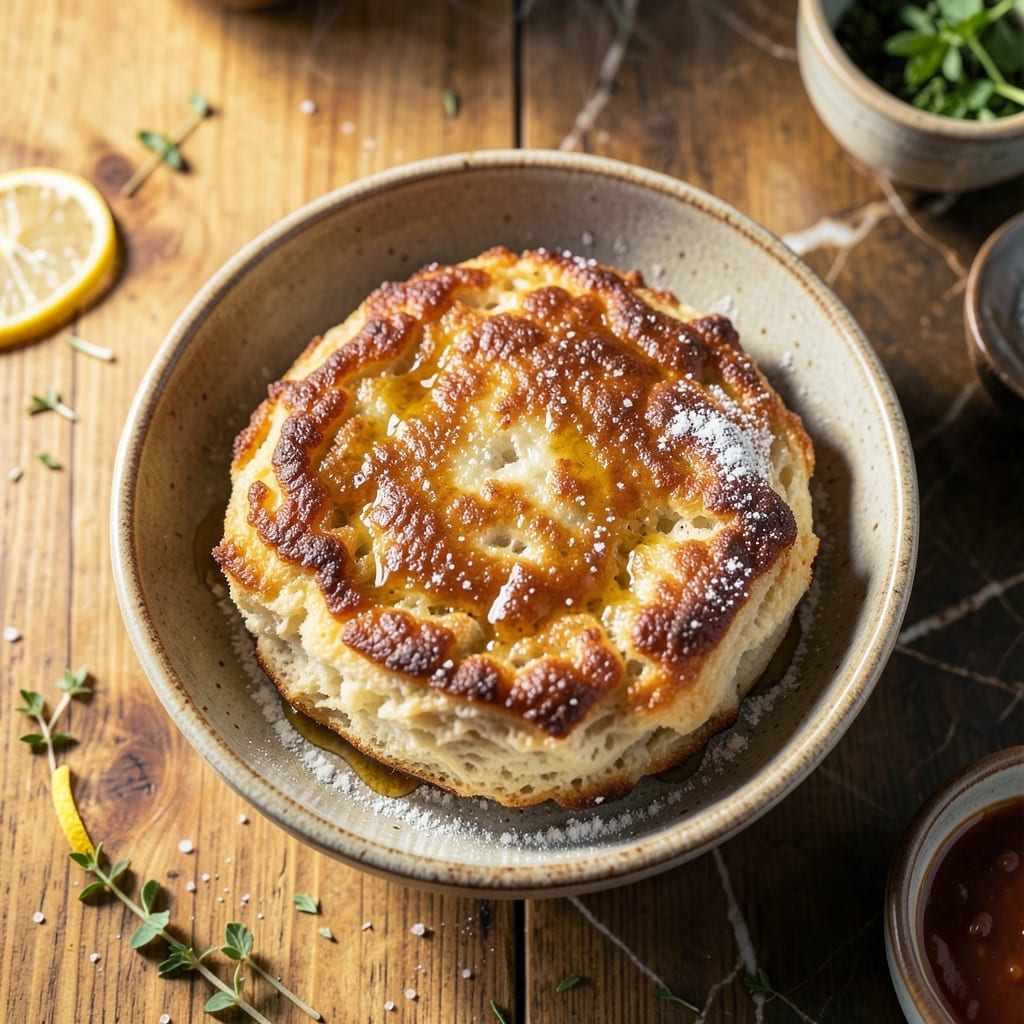
This traditional fried bannock delivers fluffy, golden results with a simple yeast dough. The process begins with preparing the dough and allowing it to rise, creating the perfect texture for frying.
I developed this method after testing various rising times and frying temperatures to achieve consistent quality. The yeast adds lightness while maintaining the bread’s characteristic density when fried.
The frying step transforms the dough into crisp, golden rounds with a soft interior. This technique ensures even cooking and the right balance between crispness and tenderness.
Serve warm for the best experience, as the contrast of textures is most pronounced fresh from the pan.
Ingredients for Fried Bannock Recipe with Yeast
Classic yeast dough ingredients create fluffy, golden fry bread with minimal effort.
| Ingredient | Amount | Notes |
|---|---|---|
| All-Purpose Flour 🌾 | 4 cups | Plus extra for dusting |
| Active Dry Yeast 🍞 | 1 package | 2 1/4 tsp equivalent |
| Granulated Sugar 🍚 | 2 tbsp | For activating yeast |
| Warm Water 💧 | 1 ¼ cups | 110°F for proofing |
| Salt 🧂 | 1 tsp | Fine sea salt preferred |
| Vegetable Oil 🫒 | 2 cups | For frying, plus extra |
| Unsalted Butter 🧈 | 2 tbsp | Melted, for dough |
| Whole Milk 🥛 | ¼ cup | Warm, for richness |
| Large Egg 🥚 | 1 whole | Room temperature |
| Baking Powder 🧂 | 1 tsp | For extra lift |
| Vanilla Extract 🌿 | 1 tsp | Optional, for flavor |
| Cinnamon 🌶️ | ½ tsp | Ground, optional |
[recipe_ingredient_scaler]
The yeast quality is paramount for consistent rising. Saf-instant or Fleischmann’s are reliable brands for active dry yeast. Use a thermometer to ensure water is precisely 110°F—too hot kills the yeast, too cool delays proofing. All-purpose flour with 10-12% protein yields the ideal texture. King Arthur or Gold Medal are professional-grade choices that ensure predictable results every time.
No yeast on hand? Instant yeast at the same quantity works identically. For a richer flavor, substitute half the water with milk. If avoiding dairy, use unsweetened almond milk with a teaspoon of vinegar. The butter can be replaced with coconut oil for a dairy-free version. Egg substitution isn’t recommended as it affects the dough’s structural integrity during frying.
Store yeast in the freezer for maximum shelf life—1 year. Dough can be prepared and refrigerated overnight for a slower rise, developing more flavor. Fried bannock is best consumed immediately but can be reheated in a 350°F oven for 5 minutes. Always bring refrigerated dough to room temperature before frying for even cooking.
Why You’ll Love This Recipe
- One Bowl Wonder: I just mix flour, yeast, sugar, and warm water—no fancy steps, no fuss.
- Crispy Golden Bite: That yeast gives it a light fluffiness inside while the outside stays perfectly crisp.
- Feeds a Hungry Crowd: I stretch one batch to feed six, and it disappears faster than I can fry it.
Step-by-Step Instructions for Fried Bannock With Yeast
Master the technique for achieving that ideal golden exterior with a light, airy interior.
Step 1: Activate the Yeast and Prepare the Dough
In a large mixing bowl, combine the 1.25 cups Warm Water, 2 tbsp Granulated Sugar, and 1 package Active Dry Yeast. Stir gently and let it sit for 5-7 minutes until the mixture becomes frothy and bubbly—this confirms the yeast is active and ready to work.
Add the 4 cups All-Purpose Flour, 1 tsp Salt, 1 tsp Baking Powder, 2 tbsp Unsalted Butter (melted), 0.25 cup Whole Milk, 1 whole Large Egg, 1 tsp Vanilla Extract, and 0.5 tsp Cinnamon. Mix until a soft, slightly sticky dough forms, ensuring all dry ingredients are fully incorporated.
Step 2: Knead and Let the Dough Rise
Turn the dough out onto a lightly floured surface and knead for 5-7 minutes until smooth and elastic. The dough should spring back when pressed lightly with a finger, indicating proper gluten development.
Place the dough in a lightly greased bowl, cover with a clean kitchen towel, and let it rise in a warm, draft-free place for 1 to 1.5 hours or until doubled in volume. I always check for doneness by pressing the dough gently—if the indent remains, it’s ready.
Step 3: Shape and Prepare for Frying
Once risen, punch down the dough to release excess air. Divide it into 8 equal portions and shape each into a smooth ball. Flatten each ball into a disc about ½-inch thick—this ensures even cooking and a consistent texture.
Place the shaped dough on a floured surface, cover lightly, and let them rest for 10-15 minutes. This brief rest relaxes the gluten, making the bannock lighter and easier to fry to a perfect golden hue.
Step 4: Fry to Golden Perfection
Heat the 2 cups Vegetable Oil in a deep, heavy-bottomed skillet over medium-high heat until it reaches 350-375°F. To test readiness, drop a small piece of dough into the oil—if it sizzles and rises immediately, the oil is ready.
Carefully slide 2-3 pieces of dough into the hot oil, being cautious not to overcrowd the pan. Fry for 2-3 minutes per side until deep golden brown and puffed. Use a slotted spoon to transfer the fried bannock to a paper towel-lined plate to drain excess oil.
Step 5: Serve Warm and Enjoy
Let the bannock cool for 2-3 minutes before serving—this allows the interior to set slightly while staying warm and fluffy. The exterior should be crisp and golden, while the inside remains soft and airy.
For best results, serve immediately while still warm. These are delicious plain, dusted with powdered sugar, or drizzled with honey. The combination of the yeast and baking powder ensures a light yet substantial texture that pairs well with both sweet and savory toppings.
Pro Tips For Making Fried Bannock Recipe With Yeast
- Test the Yeast: Always proof your active dry yeast in warm water with a pinch of sugar first—if it doesn’t bubble within 5-10 minutes, your bannock won’t rise. I learned this the hard way after wasting a batch with dead yeast.
- Rest the Dough: Let the dough rise for at least 1 hour in a warm spot, covered with a damp towel. Skipping this makes the bannock dense—I was skeptical until I tried it and saw the difference.
- Use Hot Oil: Heat the oil to 350°F before frying—too cool and the bannock will absorb oil and turn greasy. A quick test: drop a small piece of dough in; if it sizzles, it’s ready.
- Salt Last: Add salt to the flour mixture after the yeast has activated—direct contact can kill the yeast. My grandmother swore by this, and she was right.
Flavor Customization for This Recipe
Sweet Variations
Add ½ cup blueberries or diced apples to the dough for a fruity twist. The berries burst during frying, creating pockets of sweetness. I love using fresh fruit from my Portland farmers market hauls. 💛
Savory Options
Mix in ½ cup shredded cheddar and 2 tbsp chopped chives for a cheesy, herby version. Or try 1 tsp garlic powder and ¼ cup grated Parmesan for an Italian-inspired take.
Spiced Flavors
Enhance warmth with 1 tsp pumpkin pie spice or ½ tsp cardamom. These pair beautifully with the existing cinnamon in the dough. I discovered this combo during Cincinnati winters.
Citrus Zest
Add 1 tbsp orange or lemon zest for bright, fresh notes. The citrus oils release during frying, adding a fragrant lift. This works especially well with powdered sugar topping.
Herb Infusions
For an earthy touch, knead in 1 tbsp fresh rosemary or thyme leaves. These herbs from my garden add a Pacific Northwest flair. Brush with garlic butter after frying. ✨
Chocolate Chip
Fold in ½ cup mini chocolate chips for a dessert-style bannock. The chips melt into gooey pockets. My daughter Lily’s absolute favorite—she helps mix them in.
Nutrition Facts
Frequently Asked Questions
Can I use instant yeast instead of active dry?
Yes, use the same amount of instant yeast. Skip the activation step—just mix it directly with dry ingredients. It works faster and is more forgiving with water temperature.
Why did my bannock turn out dense?
This usually happens if the dough didn’t rise enough. Ensure your yeast is fresh, water is 110°F, and dough rises in a warm spot for 1-1.5 hours. Over-kneading can also cause density.
How do I keep the oil at the right temperature?
Use a kitchen thermometer to maintain 350-375°F. If oil smokes, it’s too hot—reduce heat immediately. Adjust burner as needed between batches.
Can I make these ahead of time?
Prepare dough the night before and refrigerate for a slow rise. Bring to room temperature before shaping and frying. Fried bannock is best fresh but reheats well in a 350°F oven for 5 minutes.

Trained in classic French technique but raised on slow-cooked ribs and spicy rubs, she blends culinary skill with smoke and soul.
- Recipe for Boneless Pork Chops in Cast Iron Skillet: Sear and Baste to Juicy Perfection - October 3, 2026
- Recipe for Boneless Cross Rib Roast: Slow-Roasted Beef with Herb Crust - October 3, 2026
- Hamburgers in Sauce Recipe Crock Pot: Slow-Cooked Savory Delight - October 3, 2026