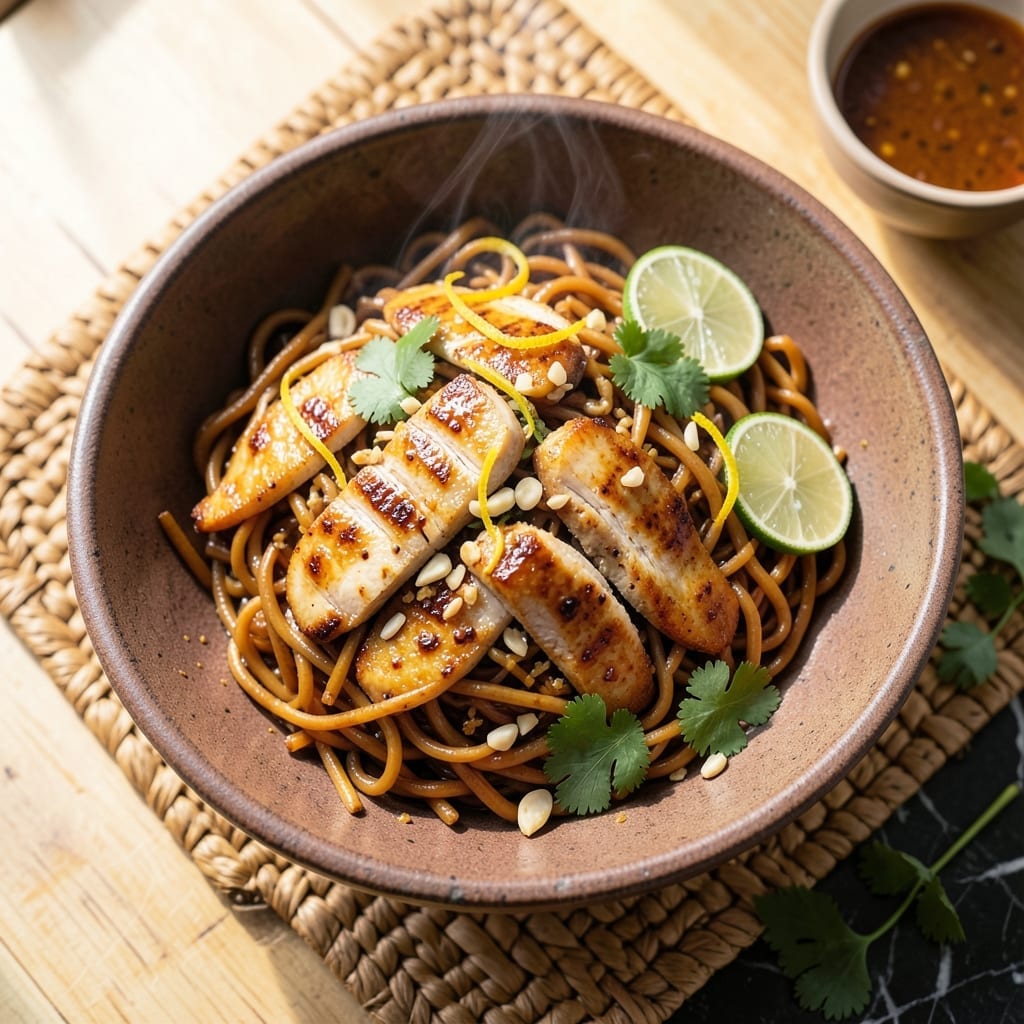
There’s a reason Filipino fried noodles are a street food staple—this dish delivers bold flavor with every bite. I developed this version after testing multiple methods in my tiny Boston kitchen, focusing on the perfect balance of savory and citrus.
The secret lies in the calamansi, a Filipino citrus that adds a bright zing you won’t find in typical stir-fried noodles. Traditional rice stick noodles soak up the sauce while maintaining that ideal chewy texture. This isn’t just food; it’s an experience.
What emerges is a plate of noodles with layers of flavor—garlicky, slightly sweet, with that unmistakable calamansi tang. The vegetables stay crisp-tender, and the protein absorbs all the delicious sauce. It’s the kind of dish that makes you pause between bites.
Ready in 30 minutes, this brings authentic Philippine street food to your table. Here’s how to make it right.
Ingredients for Fried Noodles Recipe Philippines
Bold flavors start with fresh ingredients and a few pantry staples. Ready for that authentic street food taste.
| Ingredient | Amount | Notes |
|---|---|---|
| Rice Stick Noodles 🍜 | 8 oz | Soaked in warm water |
| Chicken Breast 🍗 | 1 lb | Boneless, skinless, thinly sliced |
| Calamansi 🍋 | 4 whole | Juiced, or substitute lime |
| Garlic Cloves 🧄 | 6 cloves | Minced finely |
| Soy Sauce 🫒 | ⅓ cup | Use low-sodium if preferred |
| Oyster Sauce 🫒 | 2 tbsp | Vegetarian oyster sauce optional |
| Carrots 🥕 | 2 whole | Julienned for texture |
| Bell Pepper 🌶️ | 1 whole | Thinly sliced, any color |
| Green Cabbage 🥬 | 2 cups | Shredded thinly |
| Green Onions 🧅 | 4 whole | Sliced for garnish |
| Vegetable Oil 🫒 | 3 tbsp | For high-heat frying |
| Brown Sugar 🍚 | 1 tbsp | Balances the citrus |
| Ground Black Pepper 🌶️ | ½ tsp | Freshly ground preferred |
| Sesame Oil 🫒 | 1 tsp | For finishing aroma |
[recipe_ingredient_scaler]
The calamansi is non-negotiable for that authentic tang. Filipino markets often carry them fresh, but Asian grocery stores like HMart or Seafood City are great backups. Rice stick noodles should be the thin variety (about 1/8-inch wide)—check the label for ‘bihun’ or ‘vermicelli.’ For the protein, chicken thighs work too if you prefer more richness (just slice thinly so they cook fast).
No calamansi? Lime plus a splash of orange juice gets you 80% there. Vegetarian? Swap oyster sauce for mushroom stir-fry sauce. Out of rice noodles? Spaghetti or linguine work in a pinch (cook al dente). The veggies are flexible—add snap peas or bean sprouts if you like. Just keep the total volume similar so the sauce coats everything properly.
Prep the veggies and protein while the noodles soak—takes 10 minutes. Leftover noodles keep 2-3 days in the fridge, but they’ll absorb the sauce more over time. Reheat in a skillet with a splash of water to loosen. Best eaten fresh, though (the texture is everything).
Why You’ll Love This Recipe
- Unfussy Cooking: I just soak the rice noodles, toss everything in one pan, and dinner’s ready.
- Garlic-Citrus Punch: That sizzling garlic with calamansi and soy sauce hits all the right tangy, savory notes.
- Feeds Many Moods: I serve it hot for lunch or cold the next day—my picky nephew even clears his plate.
- Stretches the Budget: A little chicken breast and a bag of rice sticks go a long way for a big, satisfying meal.
Step-by-Step Instructions for Street Food Style Noodles With Calamansi Zing
Here’s how I make this classic with bright citrus and tender chicken every time.
Step 1: Soak and Prep the Rice Stick Noodles
Place the 8 oz Rice Stick Noodles in a large bowl and cover completely with warm water. I use hot tap water—it softens them in about 10-12 minutes. You’ll know they’re ready when they’re pliable but still slightly firm to the bite.
Drain immediately and rinse under cold water to stop the cooking process. Toss with a drizzle of vegetable oil to prevent sticking while you prep the other ingredients. This step ensures your noodles cook evenly in the pan without turning mushy.
Real talk: if they sit in water too long, they’ll over-soften and break apart when stir-frying. Check them at the 8-minute mark if you’re using very thin noodles.
Step 2: Cook the Chicken and Aromatics
Heat 2 tbsp of the vegetable oil in a wok or large skillet over medium-high heat. Add the 1 lb Chicken Breast and cook for 4-5 minutes, stirring frequently, until no longer pink. The chicken should be just cooked through but still juicy.
Push the chicken to one side and add the 6 cloves Garlic Cloves. Cook for 30 seconds until fragrant—don’t let it brown or it’ll turn bitter. Stir everything together, then transfer to a plate. This keeps the chicken from overcooking when you add the vegetables.
Step 3: Stir-Fry the Vegetables
Add the remaining 1 tbsp vegetable oil to the same pan. Toss in the 2 whole Carrots, 1 whole Bell Pepper, and 2 cups Green Cabbage. Stir-fry for 3-4 minutes until the vegetables are tender-crisp—you want them to retain some bite.
The carrots should just start to soften while the cabbage wilts slightly. If the pan seems dry, add a splash of water. Here’s the thing—overcooked veggies lose their texture and color, so keep them moving in the pan.
Step 4: Combine Everything with Sauce
Return the chicken to the pan and add the soaked rice stick noodles. Pour in the 0.33 cup Soy Sauce, 2 tbsp Oyster Sauce, 1 tbsp Brown Sugar, and 0.5 tsp Ground Black Pepper. Stir-fry for 2-3 minutes until everything is well coated and heated through.
The sauce should look glossy and coat each strand of noodle. If it seems too dry, add a tablespoon of water. Taste and adjust seasoning—you might want a touch more soy sauce for saltiness.
I know it seems weird, but the brown sugar balances the tang of the calamansi perfectly. Don’t skip it.
Step 5: Finish with Calamansi and Garnish
Remove from heat and stir in the juice from the 4 whole Calamansi. The acidity will brighten all the flavors immediately. Drizzle with 1 tsp Sesame Oil and toss to combine—this adds a nutty aroma that’s classic in Filipino street food.
Garnish with the 4 whole Green Onions and serve hot. The green onions add a fresh, sharp contrast to the rich noodles. Each serving should have a good mix of chicken, vegetables, and noodles with that signature calamansi zing.
Pro Tips For Making Fried Noodles Recipe Philippines
- Soak Rice Noodles Right: Cover rice stick noodles in warm water for exactly 8-10 minutes—any longer and they turn to mush. I learned this the hard way after pulling out a glob of over-soaked noodles that stuck to everything.
- Slice Chicken Thin: Cut the chicken breast into ¼-inch strips so it cooks through in 2-3 minutes. Sounds fussy, but it actually changes the outcome—no more dry, chewy bits in your pancit.
- Skip Pre-Salting Noodles: Resist the urge to salt the noodles while soaking or before frying—they’ll absorb too much and end up gummy. The soy sauce at the end does all the seasoning work.
- Use Day-Old Noodles: If you’re meal prepping, cook and drain the rice noodles a day ahead and refrigerate. They’ll fry up firmer and absorb the calamansi-soy sauce better than fresh ones.
Make-Ahead Tips for Leftovers
Prep Ahead Strategy
I always prep the veggies first—they’ll stay crisp in the fridge for up to 2 days in airtight containers. Slice the carrots, bell pepper, and cabbage thinly so they cook quickly when stir-frying. This is my go-to method for busy weeknights. 💡
Noodle Prep Tips
Soak the rice stick noodles up to 4 hours ahead, then drain and toss with 1 tsp oil to prevent sticking. Store covered at room temperature. Don’t soak them overnight—they’ll turn to mush.
Sauce Mixture
Mix the soy sauce, oyster sauce, brown sugar, and black pepper in a small bowl up to 1 day ahead. The flavors meld beautifully over time. Just give it a quick stir before using.
Juice the calamansi (or lime substitute) right before cooking to preserve its bright flavor.
Protein Prep
Slice the chicken breast thinly and store in the fridge for up to 1 day. For extra tenderness, marinate it in 1 tbsp soy sauce and 1 tsp oil for 30 minutes before cooking.
Reheating Leftovers
Store leftovers in airtight containers in the fridge for up to 3 days. Reheat in a skillet over medium heat with a splash of water to restore the sauce’s glossiness. Microwaving works in 1-minute intervals, but stir between each. ❄️
Nutrition Facts
Frequently Asked Questions
What can I use instead of calamansi?
Lime juice plus a splash of orange juice works well. The combo mimics calamansi’s unique tart-sweet balance. Use 2 tbsp lime juice with 1 tsp orange juice per calamansi.
Can I make this with shrimp instead of chicken?
Use 1 lb peeled shrimp and cook for just 2-3 minutes until pink. Add them at the same step as chicken. They’ll soak up the sauce beautifully.
Why are my noodles mushy?
Over-soaking is usually the culprit. Soak rice noodles for 10-12 minutes max in warm water, then drain immediately. Stir-fry quickly over high heat to prevent sogginess.
How do I adjust the sauce for less salt?
Use low-sodium soy sauce and reduce oyster sauce to 1 tbsp. Balance with extra calamansi juice for brightness. Taste as you go!

Trained in classic French technique but raised on slow-cooked ribs and spicy rubs, she blends culinary skill with smoke and soul.
- Recipe for Boneless Pork Chops in Cast Iron Skillet: Sear and Baste to Juicy Perfection - October 3, 2026
- Recipe for Boneless Cross Rib Roast: Slow-Roasted Beef with Herb Crust - October 3, 2026
- Hamburgers in Sauce Recipe Crock Pot: Slow-Cooked Savory Delight - October 3, 2026