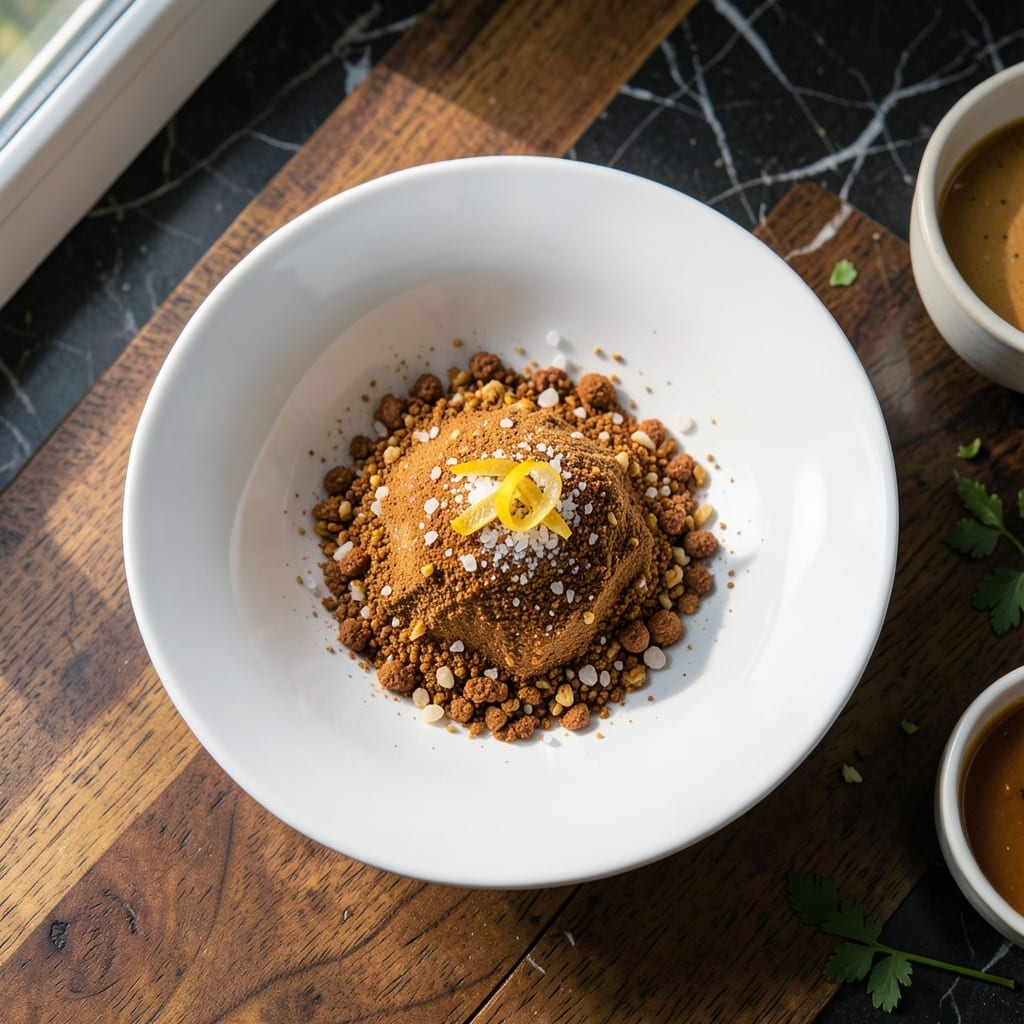
I developed this seasoning mix after too many takeout-style fried rice attempts fell short. It captures the savory depth of restaurant versions without the guesswork.
This blend combines simple pantry staples in precise ratios, ensuring consistent flavor every time. No fresh ingredients required—just measure, mix, and store for wok-ready convenience.
One batch yields enough for multiple meals, and it keeps beautifully in your spice cabinet. The balanced salt, umami, and subtle sweetness work across protein and vegetable variations.
Say goodbye to bland fried rice. This is the shortcut your weeknight cooking deserves.
Ingredients for Fried Rice Seasoning Mix
Nine pantry staples create that takeout flavor you crave at home.
| Ingredient | Amount | Notes |
|---|---|---|
| Garlic Powder 🧄 | 2 tbsp | Freshly ground preferred |
| Onion Powder 🧅 | 2 tbsp | Fine, consistent texture |
| Ground White Pepper 🌶️ | 1 tsp | Milder than black pepper |
| Ground Ginger 🌿 | 1 tsp | Essential for warmth |
| Sea Salt 🧂 | 1 ½ tbsp | Fine grain for even distribution |
| Sugar 🍚 | 1 tbsp | Balances savory notes |
| Monosodium Glutamate (MSG) ✨ | 1 tsp | Umami boost, optional |
| Ground Turmeric 🌼 | ½ tsp | Adds subtle color |
| Dried Shallots 🧅 | 2 tbsp | Crispy texture when fried |
[recipe_ingredient_scaler]
The dried shallots are the secret weapon here—Asian markets sell them in bags, or Trader Joe’s has a great version. Look for ones that are crisp and golden, not oily. Sea salt is non-negotiable for even distribution (the good stuff, not iodized table salt). I get mine from Whole Foods bulk bins—cheaper and you can buy exactly what you need.
No MSG? A dash of soy sauce powder works in a pinch. Swap white pepper for black if that’s all you have, but it’ll be slightly sharper. The sugar can be brown sugar at half the amount for a deeper molasses note. Ground ginger loses potency fast, so buy small quantities or store it in the freezer to extend its life (worth the extra minute).
Glass jar, airtight seal, dark cabinet—done. Keeps for 6-12 months if stored properly. I make a double batch every time since it disappears fast during fried rice nights.
Why You’ll Love This Recipe
- Five-Minute Fix: I mix these five spices in seconds, no chopping or measuring spoons beyond the first time.
- Deep Umami: Honestly, the combo of garlic, onion, and ginger makes every grain taste like it’s from a takeout box.
- Endless Options: I sprinkle it on veggies, eggs, or last night’s rice for a brand-new meal.
- Pantry Staple: One jar lasts me months, costs pennies, and beats store-bought every time.
Step-by-Step Instructions for Fried Rice Seasoning Mix
Here’s my proven method for creating a perfectly balanced blend with maximum flavor impact.
Step 1: Combine the Aromatic Base
In a medium bowl, add the 2 tbsp Garlic Powder and 2 tbsp Onion Powder. These two form the aromatic foundation of your seasoning mix, providing that essential savory depth that defines great fried rice.
I use my fingers to break up any clumps in the powders as I add them to the bowl. This ensures an even distribution throughout the final mix and prevents any concentrated pockets of flavor in your finished dish.
Step 2: Incorporate the Spice Elements
Next, add the 1 tsp Ground White Pepper, 1 tsp Ground Ginger, and 0.5 tsp Ground Turmeric. The white pepper adds a mild heat without the sharpness of black pepper, while the ginger provides warmth and complexity.
The turmeric contributes a subtle golden hue that makes your fried rice visually appealing. Be precise with the turmeric measurement, as too much can overpower the blend and stain your hands.
Step 3: Balance with Salt and Sweetness
Now measure in the 1.5 tbsp Sea Salt and 1 tbsp Sugar. The salt enhances all the other flavors, while the sugar balances the savory and spicy notes with a touch of sweetness.
I recommend using fine grain sea salt for this mix, as it dissolves more evenly when sprinkled over hot rice. The sugar should be regular granulated – brown sugar would add unwanted moisture and color variation.
Step 4: Add the Umami Boost and Texture
Incorporate the 1 tsp Monosodium Glutamate (MSG) and 2 tbsp Dried Shallots. The MSG provides that elusive fifth taste – umami – that makes restaurant fried rice so addictive.
The dried shallots not only contribute their own sweet, oniony flavor but also add a satisfying crispy texture when they hit the hot wok. These are the final pieces that complete your seasoning profile.
Step 5: Mix and Store for Optimal Flavor
Using a whisk or fork, thoroughly combine all ingredients until the mixture appears uniform in color and texture. The fine powders should completely coat the dried shallot pieces.
Transfer the seasoning mix to an airtight container. For best results, let it sit for at least 24 hours before using. This resting time allows the flavors to meld together, creating a more cohesive and powerful seasoning blend for your fried rice.
Pro Tips For Making Fried Rice Seasoning Mix
- Toast the Powders: Lightly toast the garlic and onion powders in a dry pan for 30 seconds before mixing—this wakes up their flavors and removes any raw bite. I learned this the hard way after my first batch tasted flat.
- Measure by Weight: Use a kitchen scale for the sea salt and white pepper; 1 teaspoon of salt can weigh 5-7 grams depending on the grind. After ruining a batch with uneven seasoning, I now weigh everything.
- Skip the Clumps: Sift the ground ginger through a fine mesh strainer first, or you’ll end up with stubborn little bits that never blend in. Sounds tedious, but it saves you from picking out ginger pebbles later.
- Double the Batch: Make twice as much as you need and store the extra in an airtight container—it keeps for months and saves you from scrambling mid-cook. I was skeptical until I tried it, but now I always have some on hand.
Best Sauces and Condiments for This Dish
Classic Soy Sauce
I always keep low-sodium soy sauce on hand for drizzling over finished fried rice. Use 1-2 tsp per cup of cooked rice to add depth without overpowering. Kikkoman is my go-to brand from the regular grocery store. 🥢
Sesame Oil Finish
A few drops of toasted sesame oil right before serving makes all the difference. I use ½ tsp per serving—just enough to add that nutty aroma. Kadokawa brand from the Asian market has the best flavor.
Sriracha Heat
For those who love spice, Sriracha adds the perfect kick. Start with ½ tsp and adjust to taste. The garlic in the sauce complements the seasoning mix beautifully. I buy mine at Trader Joe’s for consistency.
Chili Garlic Sauce
This thicker, chunkier sauce from Huy Fong brings heat and texture. Mix 1 tsp into your rice while cooking for even distribution. The garlic pieces toast slightly in the wok, adding extra crunch.
Sweet Chili Sauce
A drizzle of Mae Ploy sweet chili sauce balances the savory notes. Use 1 tsp per serving for a subtle sweet-tangy contrast. I find it at my local Boston Asian market near Chinatown.
Furikake Topping
Sprinkle 1 tbsp nori komi furikake over your rice for a seaweed umami boost. The sesame seeds add texture while the seaweed flakes enhance the visual appeal. Look for it in the international aisle.
Nutrition Facts
Frequently Asked Questions
Can I omit the MSG?
Yes, you can leave it out. For a similar umami boost, add ½ tsp soy sauce powder or 1 tsp nutritional yeast instead.
How long does this mix stay fresh?
Stored in an airtight container in a cool, dark place, it keeps for 6-12 months. Check for clumping or faded color as signs it’s time to make a new batch.
What if I don’t have dried shallots?
Substitute with 2 tbsp dried onion flakes or 1 tbsp onion powder. The texture won’t be as crispy, but the flavor will still be great.
Can I use this for other dishes?
Sprinkle it on roasted veggies, scrambled eggs, or even popcorn for a savory kick. It’s versatile beyond fried rice.

Trained in classic French technique but raised on slow-cooked ribs and spicy rubs, she blends culinary skill with smoke and soul.
- Recipe for Boneless Pork Chops in Cast Iron Skillet: Sear and Baste to Juicy Perfection - October 3, 2026
- Recipe for Boneless Cross Rib Roast: Slow-Roasted Beef with Herb Crust - October 3, 2026
- Hamburgers in Sauce Recipe Crock Pot: Slow-Cooked Savory Delight - October 3, 2026