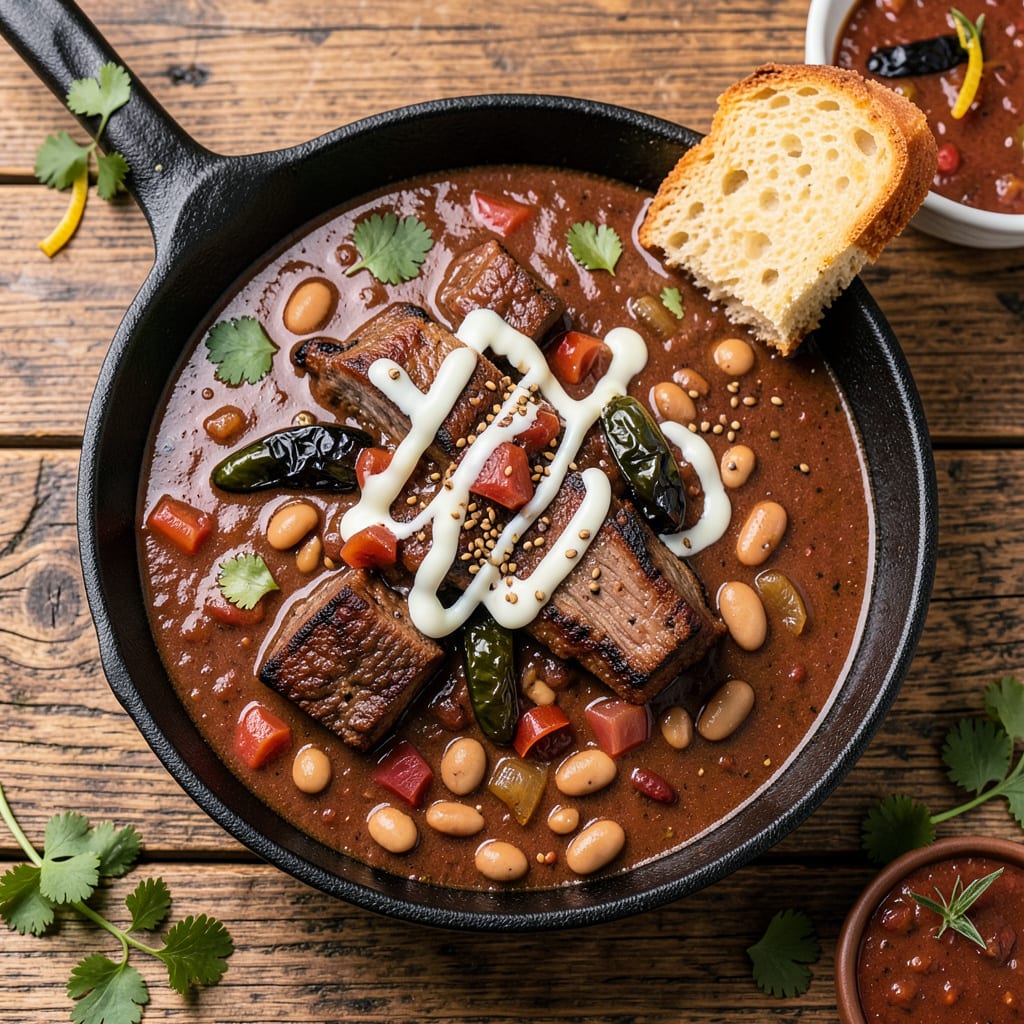
I’ve seen too many bowls of chili that taste suspiciously like spaghetti sauce—meaty, tomato-heavy, and missing that deep, smoky punch. The fix starts with your spice cabinet. Cumin, smoked paprika, and a touch of cayenne are non-negotiable for that authentic chili flavor. These aren’t just suggestions; they’re the foundation that separates chili from Italian red sauce.
Here’s the thing—your cooking method matters just as much as the ingredients. Browning your meat until it’s deeply caramelized (not just gray) builds layers of flavor. And don’t just dump spices in—bloom them in hot oil first to wake up their aromas. I learned this trick after years of mediocre chili that tasted flat and one-dimensional.
Tomatoes should support, not dominate. Use them sparingly and balance with rich beef broth or even a splash of coffee for depth. The ratio matters: more beans and meat, less tomato sauce. I aim for a thick, hearty texture where the spoon stands up—nothing soupy about proper chili.
Fair warning: if you’re still using oregano and sweet basil, you’re making spaghetti. Swap them for chili powder and coriander instead. The difference is night and day. This isn’t just chili—it’s the kind that wins cook-offs and disappears fast at potlucks.
📚 In This Guide
- What You’ll Need
- Instructions
- Tips and Common Mistakes
What Youll Need
- ● Protein Base (Choose 1-2): 1.5–2 lbs ground beef (80/20 fat ratio for best flavor) 🥩
- ● 1.5 lbs ground turkey or chicken (for a lighter option)
- ● 2 cups diced chuck roast (for a heartier texture)
- ● 1 can (15 oz) beans (kidney, black, or pinto—drained & rinsed)
- ● Aromatics & Veggies: 1 large yellow onion, diced (≈2 cups)
- ● 1 bell pepper (any color), diced (≈1 cup)
- ● 4 garlic cloves, minced (or 1 tbsp garlic powder in a pinch)
- ○ 1 jalapeño (seeds removed for mild heat, optional)
- ● Liquids & Thickeners: 1 can (28 oz) crushed tomatoes (fire-roasted for depth)
- ● 2 cups beef or chicken broth (low-sodium preferred)
- ● 1 tbsp tomato paste (for richness)
- ○ 1 bottle (12 oz) dark beer (optional, but adds complexity—try a stout or porter)
- ● Spices & Seasonings (Key to Avoiding Spaghetti Vibes!): 2 tbsp chili powder (use a blend without added cumin if possible)
- ● 1 tbsp ground cumin (toasted for 30 sec in a dry pan = game-changer)
- ● 1 tsp smoked paprika (this is your secret weapon!)
- ● 1 tsp dried oregano (Mexican oregano if you can find it)
- ● 1 tsp black pepper
- ● ½ tsp cayenne pepper (adjust for heat)
- ● 1 bay leaf
- ● 1 tsp salt (adjust to taste after cooking)
- ● Tools: 1 large pot or Dutch oven (6-quart min, heavy-bottomed for even heat)
- ● 1 wooden spoon (for stirring without scratching)
- ● Chef’s knife & cutting board
- ● Measuring spoons/cups
- ○ Immersion blender (optional, for slight thickening)
- ○ Optional Boosts: 1 oz dark chocolate (70% cocoa or higher—trust us)
- ● 1 tbsp apple cider vinegar (brightens flavors at the end)
- ● 1 tsp instant coffee (enhances depth, undetectable)
Step-by-Step Instructions for Transforming Your Chili
Let’s fix that spaghetti-sauce chili with simple but powerful adjustments you’ll taste immediately.
Rebalance Your Spice Foundation
Start by doubling down on earthy, warm spices that define chili’s character. Add 2 tablespoons ground cumin and 1 tablespoon smoked paprika to your pot. These spices create depth that tomato-heavy dishes lack. I always toast whole cumin seeds first, then grind them – this releases oils that make the flavor more intense.
Next, incorporate 1 teaspoon dried oregano and 1 teaspoon garlic powder. The oregano adds herbal complexity while garlic powder (not fresh garlic) provides consistent flavor throughout the long cooking process. Stir these spices into your base and let them bloom for 2-3 minutes before adding liquid – this wakes up their flavors.
Build Umami Depth with Unexpected Ingredients
Here’s the game-changer: add 1 tablespoon soy sauce and 1 tablespoon balsamic vinegar. The soy sauce boosts savory notes while the balsamic adds subtle sweetness and acidity. This combination creates that “I can’t put my finger on it” depth that separates great chili from good.
I also stir in 1 ounce unsweetened chocolate or 1 tablespoon instant coffee powder. Either ingredient adds bitterness that balances sweetness from tomatoes. The chocolate melts into the chili, creating a velvety texture, while coffee enhances the meaty flavors. Don’t worry – you won’t taste either one distinctly, just a richer overall profile.
Adjust the Tomato Profile
If you’ve already added tomatoes, counter their acidity with 1 teaspoon brown sugar and 1 teaspoon molasses. These sweeteners don’t make the chili sweet – they neutralize the tinny tomato flavor. I prefer molasses over white sugar because it adds caramel notes that complement the spices.
For future batches, use fire-roasted diced tomatoes instead of regular. Their smoky char adds complexity that plain tomatoes lack. If using tomato paste, cook it until it turns brick red and develops a slightly sweet aroma – this caramelization removes any raw tomato taste that might remind you of spaghetti sauce.
Enhance with Proper Cooking Techniques
Let your chili simmer uncovered for at least 45 minutes after making these adjustments. The extended cooking time allows flavors to meld and the liquid to reduce slightly, concentrating the tastes. You’ll notice the aroma shifts from bright and tomato-forward to deeper and more complex.
About 10 minutes before serving, stir in 1 tablespoon masa harina or cornmeal mixed with ¼ cup water. This traditional thickener absorbs excess liquid and adds a subtle corn flavor that’s quintessentially chili. The texture becomes heartier, more like a stew than a sauce, which is exactly what we want.
Finish with Fresh, Bright Elements
Just before serving, stir in juice of 1 lime and top each bowl with ¼ cup chopped cilantro. The lime’s acidity brightens all the deep flavors you’ve built, while cilantro adds freshness that cuts through any remaining heaviness. These final touches make the chili taste vibrant and complex rather than one-note.
Serve with traditional chili toppings like diced white onions, shredded cheddar, and sour cream – but skip the pasta! The contrast of cool, creamy toppings against the warm, spicy chili will reinforce that you’ve created something entirely different from spaghetti sauce. Each bite should have layers of flavor that unfold gradually.
Tips and Common Mistakes
Transforming your chili from spaghetti-sauce territory to rich, complex perfection comes down to these key adjustments.
Spice Blooming Secret: In Step 1, when you let those spices toast for 2-3 minutes, don’t rush this step. The moment you smell the cumin and paprika becoming fragrant is when their essential oils are fully activated. I learned this the hard way after making flat-tasting chili for years—this single step changes everything. Stir constantly to prevent burning, which would make the spices bitter.
Tomato Paste Technique: If you’re using tomato paste in Step 3, here’s what nobody tells you—it needs to cook until it turns brick red and develops a slightly sweet aroma. This caramelization process removes the raw, tinny flavor that makes chili taste like spaghetti sauce. I use a wooden spoon to press it against the hot pan, which speeds up the process.
Simmering Strategy: The 45-minute simmer in Step 4 isn’t just about time—it’s about transformation. You’ll notice the aroma shifts from bright and tomato-forward to something deeper and more complex. Keep it uncovered to let the liquid reduce slightly, which concentrates all those flavors you’ve built. If it’s reducing too quickly, lower the heat slightly and stir more frequently.
Final Flavor Boost: Don’t skip the lime juice and cilantro in Step 5. I know it seems small, but that juice of 1 lime at the end cuts through any remaining heaviness and makes all the deep flavors pop. The cilantro adds a freshness that prevents the chili from tasting one-dimensional. Stir the lime juice in right before serving—its acidity is most vibrant when fresh.
Pro Tips for Make Chili Not Taste Like Spaghetti Sauce
- Transforming your chili from spaghetti-sauce territory to rich, complex perfection comes down to these key adjustments.
- Spice Blooming Secret: In Step 1, when you let those spices toast for 2-3 minutes, don’t rush this step. The moment y…
- Tomato Paste Technique: If you’re using tomato paste in Step 3, here’s what nobody tells you—it needs to cook until i…
Frequently Asked Questions
Why does my chili taste like spaghetti sauce even when I follow a recipe?
It’s usually because of too much tomato (sauce/paste) or missing key spices like cumin, smoked paprika, or chili powder. Spaghetti sauce leans on herbs (oregano, basil), while chili needs bold, earthy, or smoky flavors. Cut tomatoes by ½ and boost spices—try adding a dash of cocoa powder or coffee for depth!
Can I fix chili that already tastes like spaghetti sauce?
Yes! Balance is key:
- Add 1 tsp cumin + 1 tsp smoked paprika (taste as you go).
- Stir in 1 tbsp brown sugar or molasses to counteract acidity.
- Simmer with a parmesan rind (remove after 20 mins) for umami.
What’s the best meat-to-bean ratio to avoid a saucy texture?
Aim for 60% meat/protein (beef, turkey, or lentils) and 40% beans (1-2 cans, drained). For thicker chili, mash ½ cup of beans into the pot or add 1 tbsp cornmeal. Pro tip: Brown meat separately for deeper flavor!
How long should I simmer chili to develop flavor (without making it mushy)?
Minimum 30 mins, but 1.5–2 hours on low heat is ideal for rich flavor. Stir occasionally and add beans/tomatoes after the first 30 mins to prevent mush. If short on time, use an Instant Pot (20 mins high pressure) or blend ½ the chili for thickness.
What’s a good tomato-free chili alternative?
Swap tomatoes for:
- Roasted red peppers (blended for smokiness).
- Pumpkin or butternut squash (adds sweetness + body).
- Beef or mushroom broth + extra spices (doubles as a base).
Now you’ve got the tools to turn that meh spaghetti-sauce chili into a bold, smoky masterpiece! 🌶️ The key? Layering flavors—think toasted spices, umami boosters, and a touch of acidity—while ditching the sweet, tomato-heavy vibes. Don’t be afraid to experiment with heat levels or swap in unexpected ingredients like coffee or cocoa for depth.
Ready to put your new skills to the test? Grab your pot and try a batch this weekend—your taste buds (and dinner guests) will thank you! For extra inspiration, check out our recommended chili recipes to keep the flavor adventure going.

Trained in classic French technique but raised on slow-cooked ribs and spicy rubs, she blends culinary skill with smoke and soul.
- Recipe for Boneless Pork Chops in Cast Iron Skillet: Sear and Baste to Juicy Perfection - October 3, 2026
- Recipe for Boneless Cross Rib Roast: Slow-Roasted Beef with Herb Crust - October 3, 2026
- Hamburgers in Sauce Recipe Crock Pot: Slow-Cooked Savory Delight - October 3, 2026