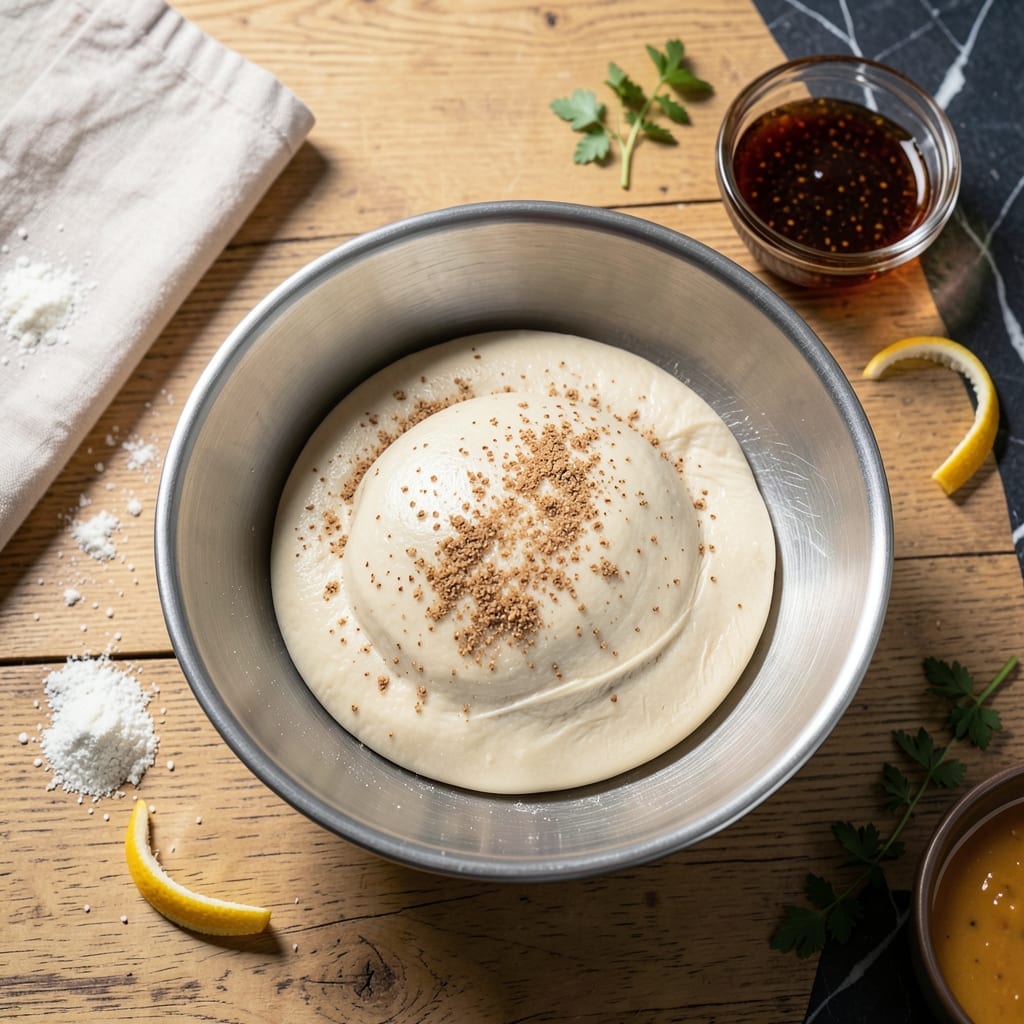
Making gluten-free pasta that actually holds up to a pasta machine requires the right blend of flours and precise technique. I developed this recipe after testing countless combinations to achieve dough that rolls thin without cracking or tearing.
The secret lies in a balanced mix of gluten-free flours that mimics wheat’s elasticity, combined with eggs for binding. Proper resting time allows the dough to relax, making it more pliable when rolled through the machine.
You’ll end up with silky smooth dough that feeds through your pasta machine effortlessly, creating delicate sheets ready for cutting. The texture rivals traditional pasta, with a tender bite that holds sauce beautifully.
This method works with most pasta machine models. The dough stays workable for 30 minutes after resting, giving you time to roll and cut at your own pace.
Ingredients for Gluten Free Pasta Dough Recipe for Pasta Machine
Just a few specialty flours and binders create dough that rolls like a dream through any machine.
| Ingredient | Amount | Notes |
|---|---|---|
| Brown Rice Flour 🌾 | 1 ½ cups | Fine grind for smooth texture |
| Tapioca Starch 🌾 | ¾ cup | Also called tapioca flour |
| Potato Starch 🥔 | ½ cup | Not potato flour |
| Xanthan Gum 🧪 | ½ tsp | Essential for elasticity |
| Salt 🧂 | ½ tsp | Fine sea salt preferred |
| Water 💧 | ½ cup | Warm for better mixing |
| Olive Oil 🫒 | 2 tbsp | Extra-virgin for richness |
| Flaxseed Meal 🌿 | 2 tbsp | For egg replacement |
| Water 💧 | 6 tbsp | For flax egg mixture |
| Apple Cider Vinegar 🍏 | 1 tsp | Helps with dough structure |
[recipe_ingredient_scaler]
The flours are non-negotiable here. Bob’s Red Mill for brown rice and tapioca starch works great—just check the labels for cross-contamination if celiac is a concern. Potato starch (not flour!) adds lightness. Xanthan gum is the magic binder (find it in the baking aisle at Whole Foods or King Arthur’s online). Skip the pre-mixed GF blends; they’re inconsistent for pasta.
No xanthan gum? Psyllium husk powder at half the amount can work, but the texture won’t be quite as smooth. Out of tapioca starch? Arrowroot powder is a decent swap. The flax eggs mimic real eggs perfectly—let them gel for 5 minutes before mixing. If your dough feels too dry, add warm water 1 tsp at a time. Too sticky? A bit more rice flour.
Dough rests best covered with plastic wrap at room temp for 30 minutes. Wrap unused portions tightly and refrigerate for up to 2 days (it’ll stiffen—let it warm slightly before rolling). Freeze flax eggs separately for 1 month if making ahead.
Why You’ll Love This Recipe
- One Bowl Mix: Honestly, I just dump the brown rice flour, tapioca starch, and xanthan gum in a bowl, mix, and it’s ready for the pasta machine—no fancy steps.
- Neutral But Nostalgic: The combo of potato starch and xanthan gum gives it that classic pasta chew I missed since going gluten-free.
- Freezer Friendly: I roll out a double batch, cut the sheets, and freeze them flat—perfect for last-minute dinners when I’m too tired to cook.
- Budget Stretch: Brown rice flour is cheap in bulk, and a little xanthan gum goes a long way, so this costs me pennies per serving.
Step-by-Step Instructions for Gluten Free Pasta Dough for Pasta Machine
Here’s my foolproof method for creating silky dough that rolls beautifully through your pasta machine.
Step 1: Make the Flaxseed Egg Replacement
In a small bowl, whisk together the 2 tbsp Flaxseed Meal and 6 tbsp Water until fully combined. Let it sit for 5 minutes to thicken—it should develop a gel-like consistency similar to beaten eggs. This binding agent is crucial for holding your gluten-free dough together.
Add the 1 tsp Apple Cider Vinegar to the flaxseed mixture and stir. The vinegar helps with the dough’s elasticity and structure, mimicking the properties of traditional wheat-based pasta dough.
Step 2: Combine the Dry Ingredients
In a large mixing bowl, whisk together the 1.5 cups Brown Rice Flour, 0.75 cup Tapioca Starch, 0.5 cup Potato Starch, 0.5 tsp Xanthan Gum, and 0.5 tsp Salt. The xanthan gum is essential here—it provides the elasticity that gluten would normally contribute.
Make sure all the dry ingredients are evenly distributed and there are no lumps. The fine grind of the brown rice flour will help create that smooth texture we’re aiming for in the final pasta.
Step 3: Mix Wet and Dry Ingredients
Create a well in the center of your dry ingredients. Add the flaxseed egg mixture, 0.5 cup Water, and 2 tbsp Olive Oil to the well. Using a fork or wooden spoon, gradually incorporate the dry ingredients into the wet ones, starting from the center and working your way out.
The dough will start to come together and pull away from the sides of the bowl. If it feels too dry, add water 1 tsp at a time until it reaches the right consistency. You want a dough that’s firm but not crumbly—it should hold together when pressed but not stick to your fingers.
Step 4: Knead and Rest the Dough
Turn the dough out onto a clean surface dusted with a bit of brown rice flour. Knead it gently for 3-4 minutes until it becomes smooth and pliable. Unlike wheat dough, you don’t need to knead gluten-free dough extensively—just until it’s uniform in texture.
Shape the dough into a ball, wrap it tightly in plastic wrap, and let it rest at room temperature for 30 minutes. This resting period allows the flours to fully hydrate and the xanthan gum to work its magic, making the dough more workable for your pasta machine.
Step 5: Prepare for the Pasta Machine
After resting, divide the dough into 4 equal portions. Flatten each portion into a rough rectangle about ½-inch thick. This shape makes it easier to feed through your pasta machine.
Set your pasta machine to its widest setting. Feed one portion of dough through the machine, then fold it in thirds like a letter and repeat the process 2-3 times. This folding and rolling develops the dough’s structure without overworking it. Your dough is now ready for rolling into sheets and cutting into your desired pasta shapes.
Pro Tips For Making Gluten Free Pasta Dough Recipe For Pasta Machine
- Rest the Dough: After kneading, let the dough rest for 20-30 minutes wrapped in plastic—this gives the xanthan gum time to hydrate fully and prevents cracking when you run it through the machine.
- Weigh Your Flours: Brown rice flour and starches compact easily, so always weigh them (don’t scoop from the bag) or you’ll end up with a dry, brittle dough that won’t hold together.
- Skip the Overworking: I learned this the hard way—knead just until smooth, then stop. Overworking gluten-free dough makes it gummy because the xanthan gum over-develops.
- Dust with Starch: Use potato or tapioca starch (not flour) to dust your work surface and machine rollers—it keeps the dough from sticking without making it dense or gritty.
Perfect Pairings for These Flavors
Sauce Pairings
This pasta shines with light olive oil-based sauces that coat its delicate texture. I love a simple aglio e olio with 4 minced garlic cloves and red pepper flakes. The gluten-free dough absorbs flavors beautifully without falling apart.
Creamy Options
For richer dishes, try a cashew Alfredo sauce—blend 1 cup soaked cashews with 1 cup unsweetened almond milk and nutritional yeast. The pasta’s smooth surface helps creamy sauces cling perfectly. 💛
Fresh Toppings
Toss with cherry tomatoes, fresh basil, and a drizzle of balsamic glaze for a Caprese-inspired dish. The acidity balances the dough’s mild sweetness from the rice flour. Add toasted pine nuts for crunch.
Protein Additions
Pair with sautéed shrimp in garlic butter or white beans for a vegan option. The pasta holds up well to hearty toppings without getting gummy. I prefer wild-caught shrimp for the best texture.
Herb Finishes
Fresh herbs elevate the dish—try chopped parsley or basil ribbons. A sprinkle of lemon zest adds brightness that cuts through the richness of any sauce. 🌟
Nutrition Facts
Frequently Asked Questions
Why do I need xanthan gum in the dough?
Xanthan gum replaces gluten’s binding properties. Without it, the dough would crumble when rolled through the machine. Use exactly 0.5 tsp for the right elasticity.
Can I use regular eggs instead of flaxseed?
Yes, substitute 2 large eggs for the flax mixture. The texture will be slightly different but still workable. Reduce water by 2 tbsp to compensate.
How thin should I roll the dough?
Start at the widest setting and gradually thin to setting #4 or #5 for most shapes. For angel hair, go to #6 or #7. Too thin may cause tearing.
What if my dough cracks when rolling?
Let it rest 10 minutes longer between rolls. If still cracking, add warm water 1 tsp at a time until pliable.

Trained in classic French technique but raised on slow-cooked ribs and spicy rubs, she blends culinary skill with smoke and soul.
- Recipe for Boneless Pork Chops in Cast Iron Skillet: Sear and Baste to Juicy Perfection - October 3, 2026
- Recipe for Boneless Cross Rib Roast: Slow-Roasted Beef with Herb Crust - October 3, 2026
- Hamburgers in Sauce Recipe Crock Pot: Slow-Cooked Savory Delight - October 3, 2026