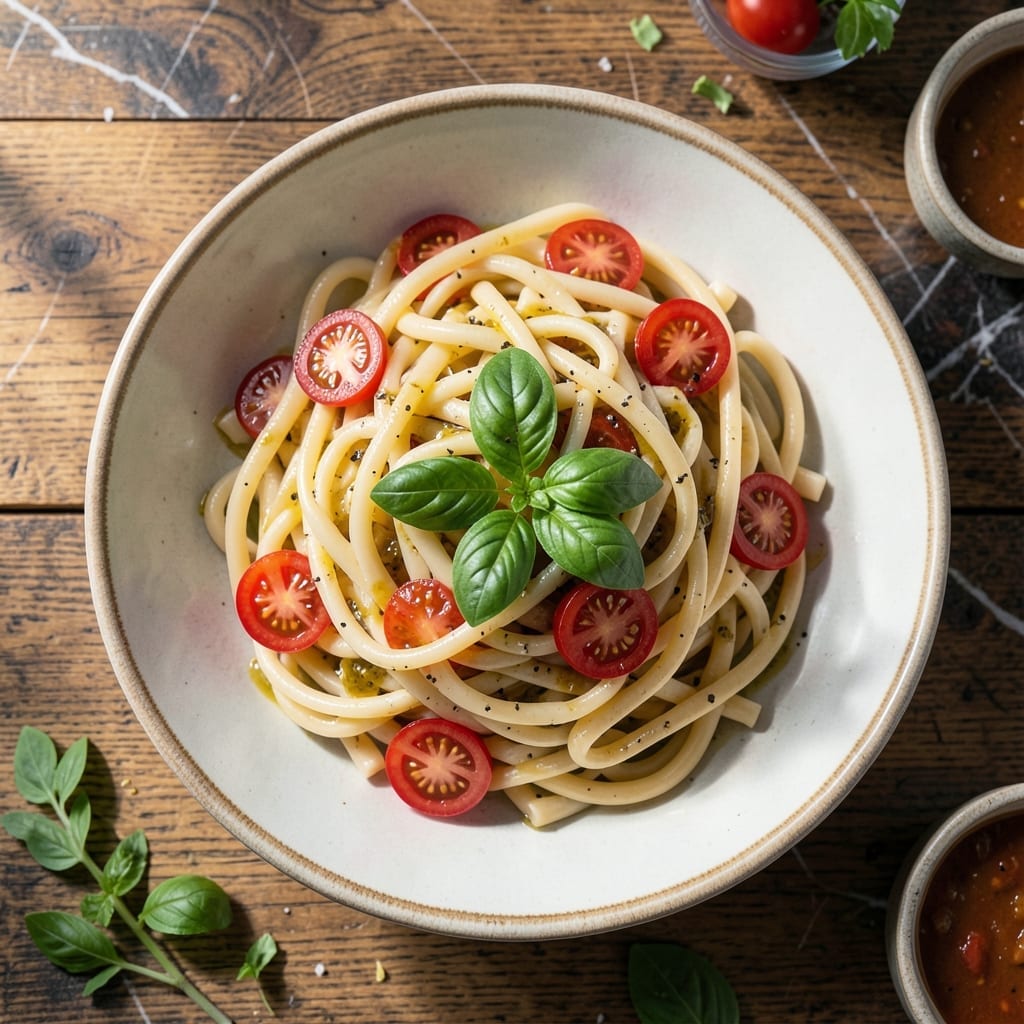
Fresh, homemade gluten-free pasta is easier than you think with the Philips pasta maker. This hands-free method delivers restaurant-quality results without the hassle of traditional rolling and cutting.
The machine handles the mixing and extruding, so you can focus on the ingredients. A simple blend of gluten-free flour and eggs creates a dough that transforms into perfect pasta strands in minutes.
What you get is tender, chewy pasta that holds its shape and absorbs sauces beautifully. The texture rivals traditional wheat pasta, making it a game-changer for gluten-free cooking.
No more store-bought pasta that falls apart. This method puts fresh, homemade gluten-free pasta on your table with minimal effort and maximum flavor.
Ingredients for Gluten Free Pasta Recipe Philips Pasta Maker
A handful of ingredients transforms into restaurant-quality pasta with your Philips machine.
| Ingredient | Amount | Notes |
|---|---|---|
| Gluten-Free All-Purpose Flour 🌾 | 3 cups | Plus extra for dusting |
| Large Eggs 🥚 | 4 whole | Room temperature preferred |
| Xanthan Gum 🧪 | 1 tsp | For elasticity in dough |
| Sea Salt 🧂 | ½ tsp | Fine grain preferred |
| Olive Oil 🫒 | 1 tbsp | For dough smoothness |
| Water 💧 | ¼ cup | As needed for consistency |
| Cornmeal 🌽 | ½ cup | For dusting pasta strands |
| Egg Whites 🥚 | 2 whole | Optional for extra firmness |
| Almond Flour 🌰 | ¼ cup | For nutty flavor boost |
| Dried Italian Seasoning 🌿 | ½ tsp | Optional for extra flavor |
[recipe_ingredient_scaler]
The flour blend makes this work. King Arthur or Bob’s Red Mill 1:1 are reliable—avoid single-flour blends, they lack structure. Xanthan gum is non-negotiable (find it in the baking aisle at Whole Foods or Sprouts). Room temp eggs blend smoother, so take them out 30 minutes early. The olive oil adds silkiness, but any neutral oil would do in a pinch.
No xanthan gum? Psyllium husk powder at one-third the amount works, but texture changes slightly. Egg-free? Use aquafaba (3 tbsp per egg) though the pasta may be softer. For a heartier version, swap almond flour for tapioca starch. The cornmeal is just for dusting—semolina works too if you don’t need gluten-free.
Fresh pasta cooks in minutes—boil immediately or freeze on a tray first (prevents clumping). Keeps 1 month frozen, 2 days fresh in the fridge. Dust with extra cornmeal before storing to keep strands separate.
Why You’ll Love This Recipe
- Hands-Off Magic: The Philips pasta maker does all the kneading and extruding—I just dump in the gluten-free flour, eggs, and a pinch of xanthan gum.
- Rich, Nutty Depth: Olive oil and sea salt give this pasta a warm, buttery flavor that’s way better than store-bought gluten-free.
- Meal Prep Hero: I make a double batch on Sunday and it reheats beautifully for quick lunches all week.
- Budget Stretch: A bag of gluten-free flour and a few eggs yields pounds of pasta for pennies compared to the dried stuff.
Step-by-Step Instructions for Gluten Free Pasta in a Philips Pasta Maker
Here’s the foolproof method for fresh, tender pasta with your machine.
Step 1: Combine Dry Ingredients for Stability
In the mixing bowl of your Philips Pasta Maker, add the 3 cups Gluten-Free All-Purpose Flour, 1 tsp Xanthan Gum, and 0.5 tsp Sea Salt. The xanthan gum is essential—it mimics the elasticity that gluten would normally provide, keeping your dough from crumbling apart.
Add the 0.25 cup Almond Flour and 0.5 tsp Dried Italian Seasoning for extra flavor. Whisk everything together until fully combined. This blend should look uniform and feel slightly gritty from the cornmeal and almond flour. Don’t skip this mixing step; it ensures even distribution of all components.
Step 2: Incorporate Wet Ingredients Gradually
With the machine running on the kneading setting, slowly pour in the 4 whole Large Eggs, one at a time, allowing each to fully incorporate before adding the next. Then add the 2 whole Egg Whites—these help firm up the dough for better texture.
Drizzle in the 1 tbsp Olive Oil followed by the 0.25 cup Water, a little at a time. Watch the dough closely; it should come together into a smooth, slightly sticky ball that pulls away from the sides of the bowl. If it’s too dry, add water 1 teaspoon at a time until it reaches the right consistency.
Step 3: Extrude and Cut the Pasta
Once the dough is smooth and elastic, switch the machine to the extrusion setting. Feed the dough through the pasta disc of your choice. I like to start with a thicker setting for stability, then run the sheets through again for a thinner result if desired.
The pasta should emerge with a uniform texture and slight sheen. If it looks dry or cracks, it means the dough needs more moisture—stop the machine, add a splash of water, and restart the process.
Step 4: Dust and Shape the Strands
As the pasta comes out, immediately dust it generously with the 0.5 cup Cornmeal. This prevents sticking and gives the strands a rustic texture. Lay the strands flat on a clean surface or hang them on a drying rack.
Let the pasta dry for 10-15 minutes before cooking—it should feel slightly firm to the touch but still pliable. This short drying time improves the texture and prevents the strands from breaking apart during boiling.
Step 5: Cook and Serve Fresh
Bring a large pot of salted water to a rolling boil. Add the pasta and cook for 2-3 minutes—fresh pasta cooks much faster than dried. You’ll know it’s done when the strands float to the surface and have a tender but firm bite.
Drain immediately and toss with your favorite sauce while still hot. The pasta should hold its shape beautifully and have a delicate, slightly chewy texture. Serve right away for the best experience.
Pro Tips For Making Gluten Free Pasta Recipe Philips Pasta Maker
- Weigh Your Flour: Gluten-free flour blends vary wildly by brand—1 cup can weigh 120g or 160g. Use a kitchen scale for the 200g the Philips maker expects, or your dough will be too dry or sticky.
- Pre-Warm the Maker: I learned this the hard way—let the Philips machine run empty for 2-3 minutes first. Cold extrusion barrels grab the dough unevenly, and you’ll spend twice the time fixing jams.
- Skip the Extra Xanthan: Some GF flour already contains xanthan gum; adding the full teaspoon on top makes the pasta gummy. Check your flour label and reduce or omit the extra gum.
- Eggs at Room Temp: Sounds fussy, but cold eggs can make the dough crack as it extrudes. Pull your eggs out 30 minutes before starting—this small step prevents clogged dies and ragged strands.
Creative Variations of This Recipe
Spinach Herb Pasta
Blend ½ cup cooked spinach (drained well) and 1 tbsp fresh basil with the wet ingredients before adding to the machine. The vibrant green color is stunning, and the spinach adds a subtle earthy note. Reduce water by 1 tbsp to compensate for moisture in the spinach. 🌿
Beet Red Pasta
Add ¼ cup cooked beet puree to your wet ingredients for a dramatic magenta hue. The earthy sweetness pairs beautifully with goat cheese sauces. Beets can make the dough slightly denser, so add 1 extra tsp water if needed.
Sun-Dried Tomato
Finely chop ¼ cup sun-dried tomatoes and mix into your dry ingredients. The concentrated tomato flavor shines through, and the bits add pleasant texture. Use oil-packed tomatoes for extra richness, draining well before chopping.
Garlic Chili Pasta
Incorporate 1 tsp garlic powder and ½ tsp crushed red pepper into your dry mix. This adds a spicy kick that works wonderfully with creamy sauces. I love this variation with a simple alfredo or pesto.
For extra heat, add ¼ tsp cayenne—just be sure to taste your sauce first to balance the spice level. 🔥
Lemon Pepper Pasta
Mix 1 tbsp lemon zest and 1 tsp black pepper into your dry ingredients. The citrus brightens the flavor, while the pepper adds subtle heat. This pairs especially well with seafood or light olive oil sauces.
Nutrition Facts
Frequently Asked Questions
Do I need to adjust the recipe for different gluten-free flour blends?
Yes! Different blends absorb moisture differently. Start with the recipe as written, but add water 1 tsp at a time if the dough seems dry. Some blends may need 1-2 tbsp extra.
Can I make the dough ahead of time?
It’s best to use the dough immediately for fresh pasta. If needed, wrap it tightly in plastic and refrigerate for up to 24 hours. Let it sit at room temperature for 30 minutes before extruding.
Why does my pasta fall apart when cooking?
This usually means the dough was too dry or lacked enough xanthan gum. Ensure your dough is smooth and elastic before extruding. Cook in plenty of boiling water and avoid over-stirring.
How do I clean the pasta maker after use?
Unplug and let it cool completely. Use a dry brush to remove excess flour, then wipe with a damp cloth. Never submerge the machine in water. For stubborn bits, use a soft toothbrush.

Trained in classic French technique but raised on slow-cooked ribs and spicy rubs, she blends culinary skill with smoke and soul.
- Recipe for Boneless Pork Chops in Cast Iron Skillet: Sear and Baste to Juicy Perfection - October 3, 2026
- Recipe for Boneless Cross Rib Roast: Slow-Roasted Beef with Herb Crust - October 3, 2026
- Hamburgers in Sauce Recipe Crock Pot: Slow-Cooked Savory Delight - October 3, 2026